
Booking a Hostel for the First Time: What to Expect and How to Prepare

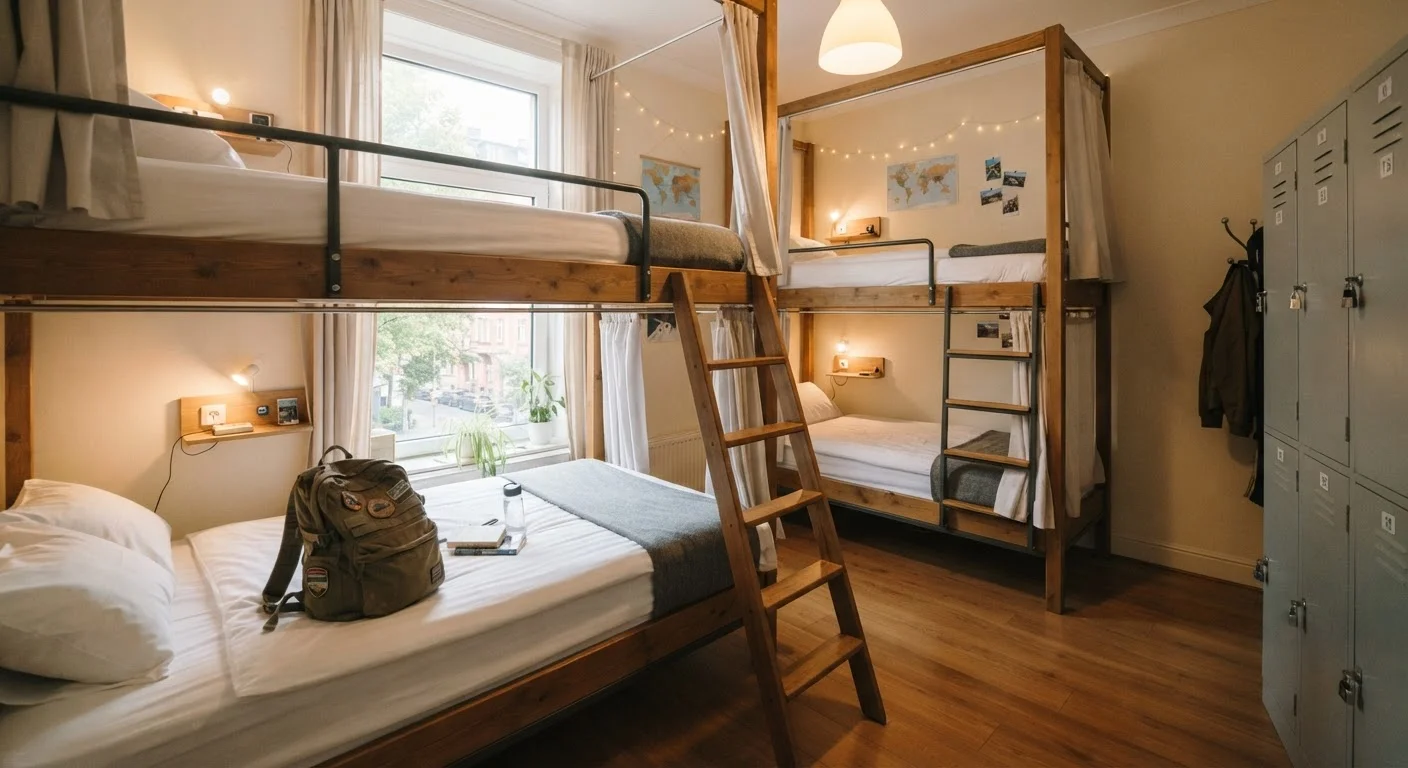
Photo: InsightsVault.com | Interesting Daily Reads editorial
Key Takeaways
- Hostels offer shared dormitory beds at a fraction of hotel rates, but the experience varies widely by property.
- Most hostels include Wi-Fi, communal kitchen access, and shared bathrooms; linen policies differ.
- Following basic dorm etiquette - quiet hours, light discipline, tidiness - makes the experience better for everyone.
- Reading recent guest reviews is the single most reliable way to filter out poorly managed properties.
- Packing a padlock, earplugs, and a sleep mask can meaningfully improve your sleep quality in a shared room.
What Hostels Actually Are (and Aren't)
A hostel is a lodging option built around shared sleeping spaces - typically bunk beds in a room with anywhere from four to a dozen other travelers - at a nightly rate well below what a private hotel room costs. That's the core trade-off: you sacrifice privacy in exchange for a dramatically lower per-night price.
What hostels are not is uniformly uncomfortable. Modern hostels in major cities often include pod-style bunks with individual reading lights, power outlets, and curtains for privacy. The range is enormous, which is exactly why research matters before you book.
If you're trying to understand how hostels compare to other low-cost options, our breakdown of hostels, guesthouses, and budget hotels explains the key distinctions clearly.
Dormitory (dorm) bed
A single bunk in a shared room rented by the night, the most common and lowest-cost hostel option.
Common areas
Shared spaces in a hostel - kitchens, lounges, or outdoor areas - available to all guests.
Locker
A lockable storage unit in or near a dorm room where guests secure valuables and luggage.
Linen policy
Whether a hostel provides sheets and pillowcases with your bed; some include them, others charge extra or require you to bring your own.
Quiet hours
Designated times - usually overnight - when hostel guests are expected to minimize noise out of respect for sleeping roommates.
What's Typically Included in a Hostel Stay
Most hostels include the following at no extra cost: Wi-Fi, access to a shared bathroom, and use of a communal kitchen or lounge. Many also include a simple breakfast, though this varies widely and is often limited to toast and coffee.
- Lockers: Usually available but may require your own padlock or a small rental fee.
- Linen: Provided at many hostels, but not all - confirm before arriving.
- Towels: Often not included or rented for a fee; a compact microfiber towel solves this cheaply.
- Common areas: Shared kitchens let you prepare your own meals, which is one of the biggest ways to cut daily costs.
Always read the individual listing carefully - amenity standards differ more at hostels than at chain hotels. Charges that catch first-timers off guard include city taxes, luggage storage fees, and late check-in surcharges.
Dorm Room Etiquette: The Unwritten Rules
Hostels run on mutual respect. The norms aren't complicated, but ignoring them makes you an unpopular roommate - and can genuinely ruin someone else's rest.
- Respect quiet hours. Most hostels enforce silence from around 10 p.m. to 8 a.m. Set your phone to silent and use headphones after dark.
- Use a headlamp, not the overhead light. Turning on the room light at 5 a.m. to find your socks is the fastest way to annoy six strangers.
- Pack and unpack outside the room when possible. Rustling through a large backpack in a dark dorm is louder than you think.
- Keep your area tidy. Your belongings should stay within your bunk and locker - not spread across the floor.
- Don't eat smelly food in the dorm. Use common areas for snacks; the dorm is for sleeping.
Make Night Arrivals Less Disruptive
How to Choose and Book a Hostel Wisely
The single most reliable filter when choosing a hostel is recent guest reviews - specifically comments about cleanliness, staff responsiveness, and noise levels. A high average score from dozens of reviews in the past few months is far more informative than marketing copy.
Beyond reviews, look at these practical factors:
- Location: A hostel that saves you $15 per night but requires $10 in daily transit to reach anything useful may not be the deal it appears.
- Cancellation policy: Free cancellation gives you flexibility if plans change. Non-refundable rates are cheaper but carry risk.
- Dorm size: Smaller dorms (4-6 beds) tend to be quieter and easier to sleep in. Filter for this deliberately if rest is a priority.
- Security: Look for mentions of key-card entry, staffed reception hours, and locker availability.
Use our pre-stay checklist for budget accommodation to run through the essentials before you confirm any booking.
If you're considering staying for more than a few nights, it's also worth comparing hostel costs against alternatives - our hostel vs. vacation rental comparison breaks down when each option tends to make more financial sense.
Pre-Stay Booking Checklist
A structured checklist covering location, fees, safety, and cancellation - run through it before confirming any budget accommodation booking.
Hostel vs. Vacation Rental Cost Comparison
Understand the true cost trade-offs between hostels and vacation rentals, especially if you're planning a stay of more than a few nights.
What to Pack for a Hostel Stay
A small number of inexpensive items will meaningfully improve your first hostel experience. These aren't luxury additions - they're practical tools that experienced hostel travelers rarely skip.
- Padlock
- Essential for securing your locker. A combination lock means no lost key risk.
- Earplugs
- Arguably the highest-return item in your bag. Even quiet hostels have early risers and occasional snorers.
- Sleep mask
- Dorm lights are rarely synchronized with your sleep schedule. A mask costs a few dollars and pays for itself on night one.
- Flip-flops
- Wear these in shared showers - standard hygiene practice in any communal facility.
- Microfiber towel
- Compact, fast-drying, and removes any uncertainty about whether the hostel provides one.
- Portable power strip or multi-outlet adapter
- Outlets are often limited; a compact strip lets you charge multiple devices from a single socket without conflict.
For a wider look at how hostel sleeping compares to other budget options, our room-by-room accommodation breakdown covers the full spectrum of affordable lodging.
Frequently Asked Questions
The content provided on our blog site traverses numerous categories, offering readers valuable and practical information. Readers can use the editorial team’s research and data to gain more insights into their topics of interest. However, they are requested not to treat the articles as conclusive. The website team cannot be held responsible for differences in data or inaccuracies found across other platforms. Please also note that the site might also miss out on various schemes and offers available that the readers may find more beneficial than the ones we cover.