
Reading Between the Lines: How to Spot a Genuinely Good Budget Accommodation

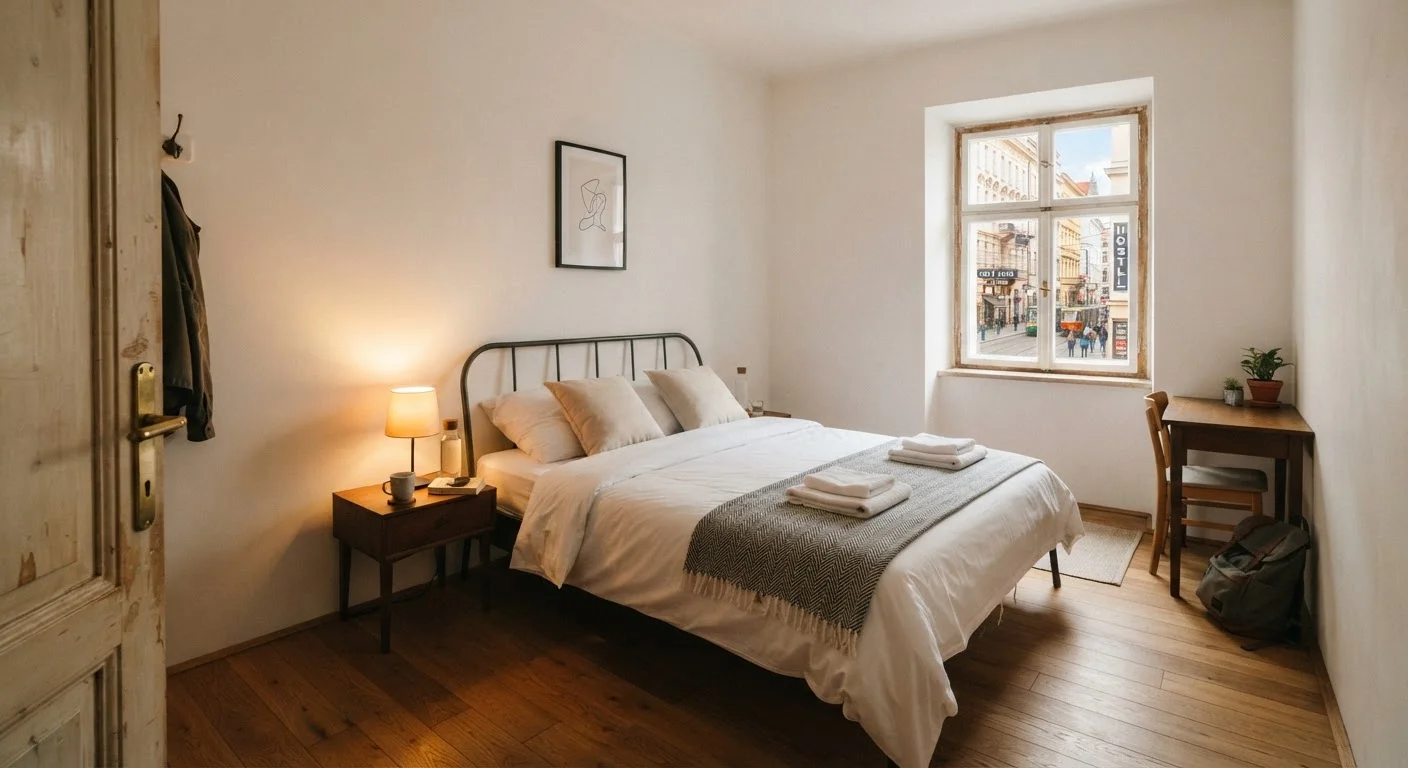
Photo: InsightsVault.com | Interesting Daily Reads editorial
Key Takeaways
- Photo timestamps and variety reveal more about a property's real condition than star ratings do.
- Review patterns-not just scores-expose recurring comfort and cleanliness problems before you book.
- Hidden fees and ambiguous amenity descriptions are consistent red flags in budget listing language.
- A property's response to negative reviews signals how management actually treats guests.
- Location trade-offs should be calculated, not assumed-transport costs can erase accommodation savings.
Why Budget Listings Are Harder to Read Than They Look
Booking a budget room isn't just a matter of sorting by price and picking the highest-rated option. The way accommodation is listed, photographed, and reviewed creates a layer of noise that can obscure whether a property is genuinely comfortable or merely cheap. Understanding how to cut through that noise is what separates travelers who sleep well from those who don't.
If you're still deciding what type of accommodation suits your travel style, the breakdown of hostels, guesthouses, and budget hotels is worth reading first. Once you know what you're looking for, the steps below will help you evaluate any listing more accurately.
What you will need
This process typically takes 15-30 minutes per property and can save you from the kind of uncomfortable, overpriced stay that wastes both money and energy.
How to Evaluate a Listing Before You Book
Scores Alone Don't Tell the Full Story
Audit the listing photos critically
Don't just scan photos for aesthetic appeal-look for what they don't show. A legitimate property will include images of the bathroom, hallway, lobby, and exterior alongside the room. Listings with only one or two wide-angle room shots, or photos that look professionally styled but oddly generic, warrant skepticism.
Check whether photos show natural daylight. Rooms shot exclusively under warm artificial lighting can mask stained walls, worn furniture, or small dimensions. If a platform shows photo upload dates, prefer listings updated within the past 12-18 months.
Read reviews for patterns, not just scores
Sort reviews from most recent to oldest and read the first 15-20 in full. You're looking for repeated mentions of the same issue-squeaky pipes, thin walls, unreliable Wi-Fi, or slow check-in-across multiple reviewers. One complaint is an outlier; three or more is a pattern.
Pay close attention to reviews from travelers who share your priorities. Solo travelers, couples, and families often notice different things. Filter by traveler type if the platform allows it.
Decode the amenity descriptions
Budget listings often use vague language that sounds better than it is. "Cozy" can mean small. "City view" may mean a partial glimpse of a rooftop. "Shared facilities" varies enormously-from a pristine communal bathroom to one shared among a dozen rooms.
Look for specific, concrete amenity descriptions: the number of bathrooms relative to rooms, whether Wi-Fi is in-room or lobby-only, whether breakfast is included or available at a cost, and whether air conditioning or heating is confirmed (not just implied).
Evaluate how management handles negative reviews
A property's public response to critical reviews is one of the most underused signals available to travelers. Look for responses that acknowledge the specific complaint, explain what was done to address it, and avoid defensive or dismissive language.
Properties that respond to negative reviews with generic apologies or, worse, argue with guests publicly are showing you exactly how disputes will be handled if something goes wrong during your stay.
Calculate the true cost including location trade-offs
A room priced $30 less per night than alternatives may cost more overall if it requires a daily $15 round-trip transit commute to reach your destinations. Use a mapping application to check actual walking time to transit hubs, grocery options, and the areas you plan to spend time in.
For more on this calculus, see our guide to staying outside the city centre before making a final call based on price alone.
Confirm the full price before committing
Proceed to the final checkout screen before confirming your booking to see the complete itemized total. Compare this figure-not the advertised nightly rate-across your shortlisted properties. Fees that are mandatory but disclosed only at checkout are unfortunately common in budget accommodation listings.
Once you've verified the total cost and reviewed cancellation terms, cross-reference your findings against the pre-stay checklist for budget accommodation to make sure nothing has been missed.
Watch for Mandatory Fee Surprises
Use the Property's Response Rate as a Signal
After working through these steps, you'll have a much clearer picture of whether a property delivers on its listing. For travelers who want to apply similar critical thinking beyond accommodation, the same habits translate well to avoiding overpriced tourist traps throughout a destination. The underlying skill-reading past surface-level marketing-is the same.
Prices, availability, and property conditions change over time. Always verify details directly with the property or booking platform before confirming a reservation.
The content provided on our blog site traverses numerous categories, offering readers valuable and practical information. Readers can use the editorial team’s research and data to gain more insights into their topics of interest. However, they are requested not to treat the articles as conclusive. The website team cannot be held responsible for differences in data or inaccuracies found across other platforms. Please also note that the site might also miss out on various schemes and offers available that the readers may find more beneficial than the ones we cover.