
The Complete Playbook for Finding and Booking Affordable Flights

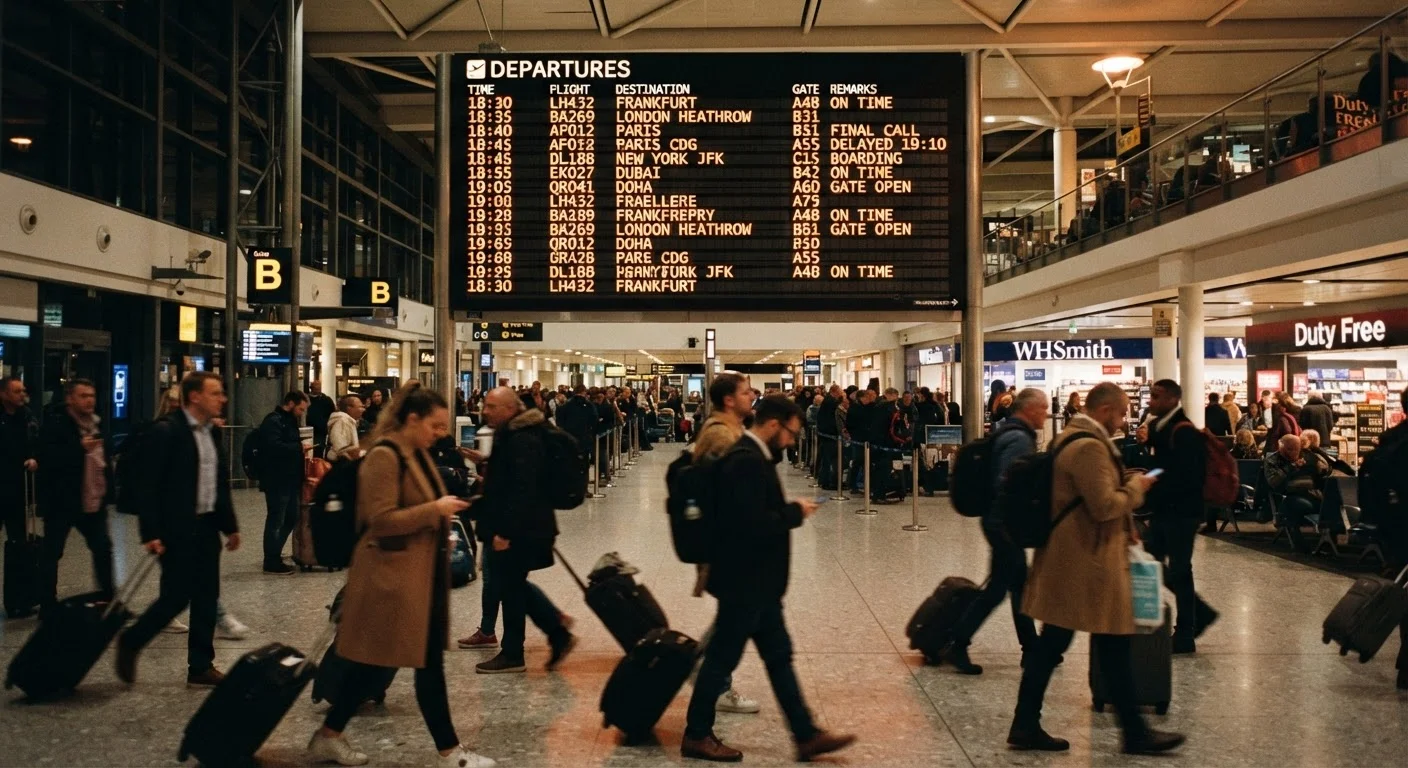
Photo: InsightsVault.com | Interesting Daily Reads editorial
Key Takeaways
- Airlines use dynamic pricing; fares for the same seat can change dozens of times per day.
- Booking three to six weeks out typically yields lower domestic fares than last-minute purchases.
- Flexible travel dates and nearby alternate airports are among the highest-leverage tools available.
- Always compare the all-in fare - baggage and seat fees can eliminate apparent savings.
- Fare alerts let you monitor routes passively rather than checking manually every day.
How Airlines Price Seats
Airlines don't sell seats at fixed prices. They use a practice called yield management - a system that adjusts fares in real time based on current demand, days until departure, historical booking patterns, and competitor pricing. A seat that costs $180 on a Tuesday morning might jump to $260 by Friday afternoon on the same flight.
Seats on any given flight are grouped into fare classes - often labeled with letter codes like Y (full-price economy) down to deeply discounted buckets. As lower buckets fill, the airline closes them and shoppers are automatically quoted the next tier up. This is why waiting is rarely a neutral decision: each purchase by another traveler can push the price you see upward.
Understanding this dynamic reframes the whole search process. You're not hunting for a sale - you're timing your purchase to land in a lower fare bucket before it closes.
Use the 'flexible dates' or 'whole month' view on metasearch tools before locking in travel dates - the price calendar often reveals a midweek departure that's $40-$80 less than weekend options on the exact same route.
Search for round-trip and one-way combinations separately - sometimes two one-way tickets on different carriers cost less than a single round-trip, particularly when mixing a full-service carrier with a low-cost carrier.
When to Search and When to Book
Timing is the single variable most within your control. For domestic US routes, research consistently points to a window of roughly three to six weeks before departure as a period when fares are often competitive without the last-minute premium. International routes generally reward earlier action - often two to five months out, depending on destination and season.
Day-of-week patterns also matter for both search and travel. Midweek departures (Tuesday through Thursday) tend to carry lower demand, and many travelers report finding lower fares when searching on those same days - though this varies considerably by route and carrier, so treat it as a starting point rather than a rule.
Avoid booking immediately after a holiday or long weekend announcement. Demand spikes are predictable, and fares reflect them quickly. If your dates are flexible, even shifting a departure by one day can produce a meaningful price difference.
For a deeper look at the consistent habits that keep experienced travelers from overpaying, see habits of travelers who rarely overpay.
Where to Search for Flights
Flight search tools - often called metasearch engines - aggregate fares from multiple airlines and booking platforms and display them side by side. They're the starting point for most searches, but no single tool surfaces every available fare. Carrier websites sometimes offer fares not listed on third-party platforms, particularly basic economy or sale fares tied to a loyalty program.
A practical approach: use a metasearch tool to establish a baseline fare and understand the range, then check the airline's own site directly before purchasing. This two-step habit takes a few extra minutes but can surface savings that the aggregator missed.
Set up fare alerts on at least one platform for any route you're seriously considering. Alerts monitor price changes automatically and notify you by email or app notification - removing the need to check manually every day and reducing the chance you'll panic-buy at the wrong moment.
Third-Party Booking Sites Vary in Reliability
Route and Flexibility Strategies
The route you choose is as important as when you book. Hub airports - high-traffic airports served by multiple carriers - generate more price competition and generally carry lower fares than smaller regional airports. If you're within reasonable driving distance of a second airport, compare fares from both before committing.
Consider connecting flights as a deliberate strategy rather than a fallback. On many routes, a one-stop itinerary undercuts nonstop pricing significantly. The trade-off is time and transfer risk; allow at least 90 minutes for domestic connections and two hours or more internationally to give yourself a buffer if the inbound flight is delayed.
Open-jaw itineraries - flying into one city and out of another - can reduce total trip cost when you're visiting multiple destinations. Rather than backtracking, you simply travel in one direction and let the flight route match your ground journey.
If you're newer to independent flight booking and want to build up from the fundamentals, this ground-up guide for first-time independent travelers walks through the search process from scratch.
Avoiding Fees That Erode Savings
A fare that looks competitive can quickly become expensive once ancillary fees are added. Checked baggage, carry-on fees, seat selection charges, and change fees vary significantly between carriers and fare classes. Some carriers charge for carry-on bags on basic economy tickets - a cost that can add $30-$60 each way and eliminate what appeared to be savings over a competitor's fare.
Before booking, establish the all-in cost: base fare plus any fees you'll realistically incur. A slightly higher base fare on a carrier that includes a carry-on bag may be the lower total spend.
Basic Economy Restrictions Vary by Carrier
Once your accommodation is sorted, check out the budget accommodation hub for strategies to keep lodging costs equally lean.
After You Book: Protecting Your Fare
Booking isn't the end of the process. Some carriers and booking platforms offer price-drop protection or allow fare adjustments within a defined window - typically 24 hours after purchase. In the US, the Department of Transportation requires that airlines allow cancellation within 24 hours of booking for tickets purchased at least seven days before departure, provided the booking was made directly with the carrier. Verify the specific terms with the carrier at time of booking.
Keep your confirmation details organized and monitor your route fare passively for a week or two after booking. If the fare drops significantly and your ticket is refundable or changeable, the math may favor rebooking - but factor in any change fees before acting.
Finally, document every step: save confirmation emails, note baggage allowances, and check in online as early as your carrier allows to avoid last-minute gate fees for checked bags on carriers that charge less for pre-paid baggage.
This article provides general travel information only. Prices, policies, and availability change frequently. Always verify fares, fees, and booking conditions directly with the airline or platform before purchasing.
The content provided on our blog site traverses numerous categories, offering readers valuable and practical information. Readers can use the editorial team’s research and data to gain more insights into their topics of interest. However, they are requested not to treat the articles as conclusive. The website team cannot be held responsible for differences in data or inaccuracies found across other platforms. Please also note that the site might also miss out on various schemes and offers available that the readers may find more beneficial than the ones we cover.