
Why Taxis Cost More Than You Think - and What to Use Instead

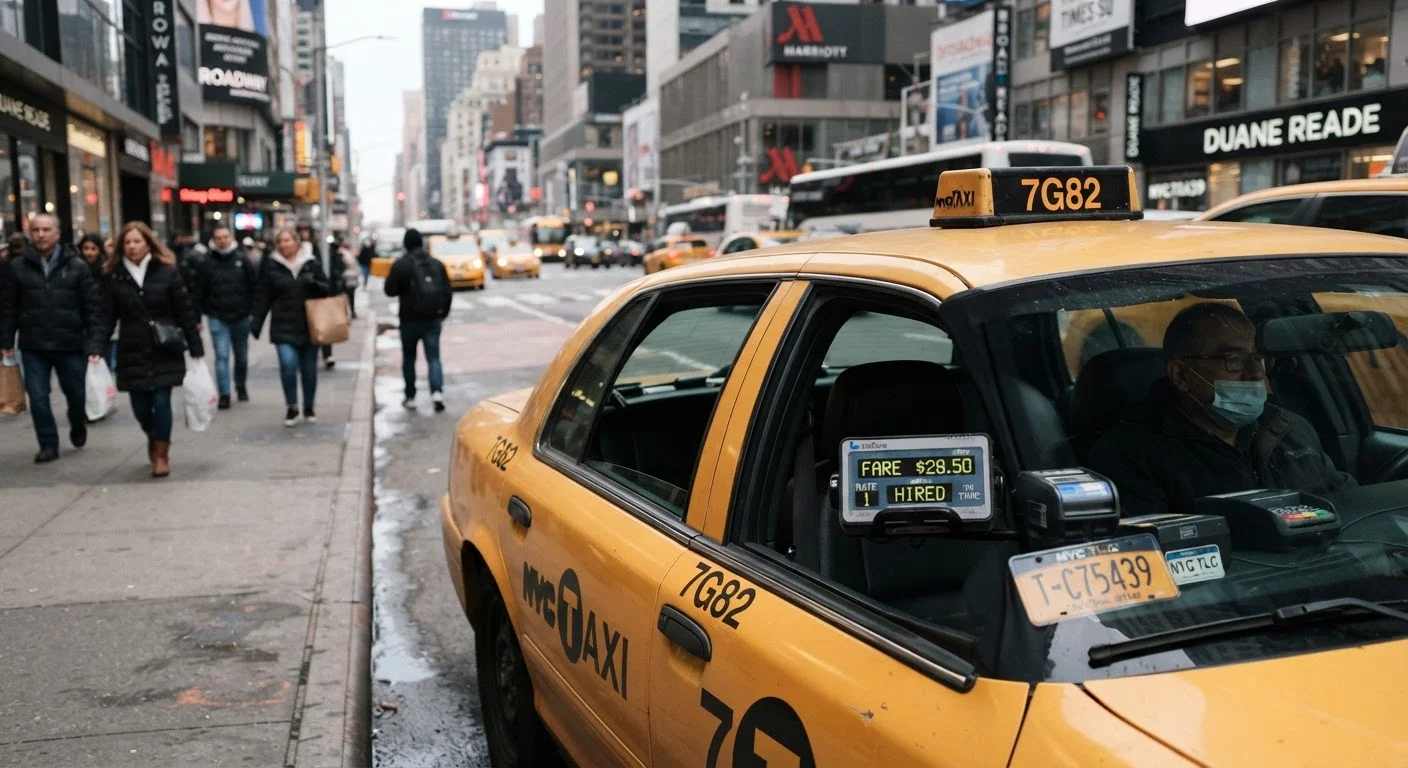
Photo: InsightsVault.com | Interesting Daily Reads editorial
Key Takeaways
- Taxi base fares, surcharges, and tips routinely push costs well above the initial quoted rate.
- Ride-hailing apps, public transit, and bike-share services often cut ground transport spending significantly.
- Defaulting to taxis at airports and tourist zones is one of the most avoidable budget drains for travelers.
- Researching local transport options before arriving saves money without sacrificing convenience.
The Real Price Tag Behind a Taxi Ride
Taxis look straightforward - you get in, you get out, you pay what the meter says. But the meter is rarely the whole story. Base fares, fuel surcharges, airport and toll add-ons, luggage fees, and the social expectation of a 15-20% tip can push a seemingly reasonable fare 30-50% higher than the number you glanced at. In high-demand zones - airports, hotel districts, convention areas - some cities also allow demand-based pricing that isn't always disclosed upfront.
The convenience premium is real, but most travelers pay it without realizing it's optional. Understanding where taxi costs actually come from is the first step to routing around them. For a broader look at how transport spending quietly inflates travel budgets, see practical ways to cut transport costs.
Assuming the meter rate is the total cost.
Taking a taxi from the airport without checking alternatives.
Not comparing ride-hailing price estimates before confirming.
Ignoring public transit because it feels complicated or slow.
Accepting unlicensed or informal taxis at tourist hotspots.
Smarter Alternatives Worth Using
The good news: in most US cities and many international destinations, alternatives are abundant and genuinely usable - not just theoretically cheaper.
- Ride-hailing apps (the major platforms operating in your destination) typically offer upfront pricing before you commit, no tip pressure built into the initial quote, and no hidden surcharges during booking. Compare the displayed total before confirming.
- Public transit remains the single most cost-effective option in cities with reliable networks. A multi-day transit pass often costs less than a single taxi ride from the airport to downtown.
- Bike-share and e-scooter programs work well for short urban hops under two miles, with per-minute rates that beat taxi minimums easily.
- Airport shuttles and shared vans are predictably priced and frequently overlooked - worth checking the transport desk before assuming a private taxi is necessary.
- Pre-booked transfers through your accommodation can be cost-competitive with taxis when arranged in advance, and remove the negotiation entirely.
30-50%
How much surcharges can inflate a taxi fare
Airport fees, tolls, fuel surcharges, and tips routinely add 30-50% above the base metered rate in many US cities.
~$3-$6
Typical daily unlimited transit pass cost
Many major US transit systems offer single-day unlimited passes in roughly this range - often less than one short taxi trip.
Combining one or two of these options during a trip - rather than defaulting to taxis throughout - is where real savings accumulate. This pairs well with other on-the-ground habits covered in spotting and avoiding overpriced tourist-zone traps.
Transport costs and availability vary by destination and change over time. Always verify local options and pricing through official or current local sources before traveling.
The content provided on our blog site traverses numerous categories, offering readers valuable and practical information. Readers can use the editorial team’s research and data to gain more insights into their topics of interest. However, they are requested not to treat the articles as conclusive. The website team cannot be held responsible for differences in data or inaccuracies found across other platforms. Please also note that the site might also miss out on various schemes and offers available that the readers may find more beneficial than the ones we cover.