
Driving Habits That Quietly Drain Your Fuel Tank

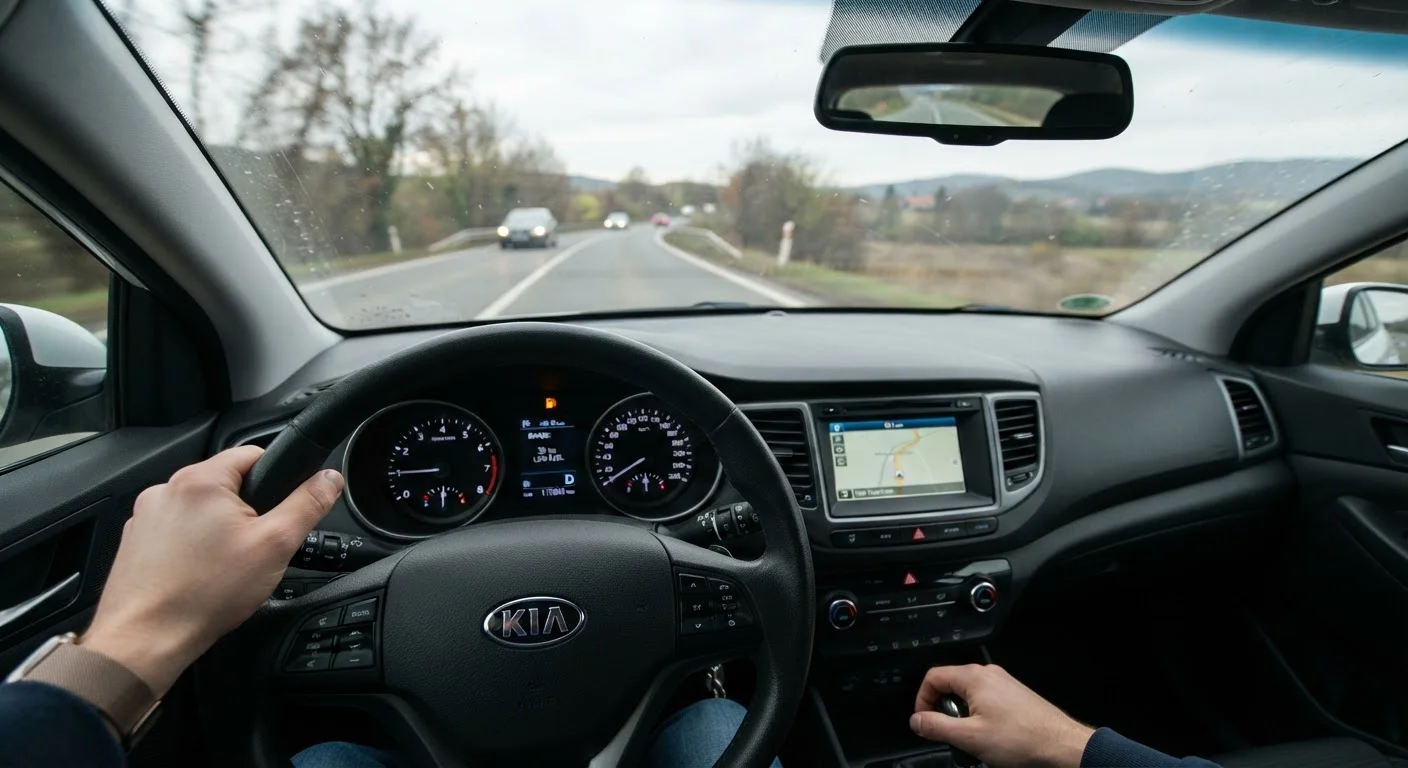
Photo: InsightsVault.com | Interesting Daily Reads editorial
Key Takeaways
- Aggressive acceleration and hard braking can reduce fuel economy by up to 40% in stop-and-go traffic.
- Under-inflated tires force the engine to work harder, quietly increasing fuel consumption every mile.
- Extended idling burns fuel with zero miles gained - modern engines warm up faster when driven gently.
- Excess cargo weight and roof-mounted accessories create measurable drag that raises fuel costs.
- Combining errands into single trips prevents the cold-start fuel penalty that short trips repeatedly trigger.
Why Your Driving Behavior Matters More Than the Pump Price
Most drivers focus on fuel prices when thinking about what they spend on gas. But the U.S. Department of Energy estimates that driving behavior can affect fuel economy by anywhere from 15% to 40%, depending on conditions. That means the way you use the pedals, how long you let the engine idle, and even what you leave in the trunk can cost you more than a regional price spike at the pump.
The habits below are common, rarely noticed, and genuinely expensive. Understanding why they happen - and what to do instead - is the first step toward spending less without changing where you need to go. For a broader look at what drives fuel spending, see why fuel costs are harder to predict than most owners expect.
Accelerating hard from a stop and braking sharply before red lights.
Letting the engine idle for extended periods - warming up before driving, or sitting in a parking lot.
Driving on under-inflated tires without realizing it.
Carrying unnecessary weight in the trunk or cargo area year-round.
Making multiple short, separate trips instead of combining errands.
Leaving roof racks, cargo carriers, or bike mounts on the car when not in use.
Fixing These Habits: A Realistic Path Forward
None of these corrections require a new car or expensive equipment. Smooth, anticipatory driving is a skill that improves with conscious practice - looking further ahead in traffic so you coast naturally rather than brake hard. Checking tire pressure monthly takes under five minutes and a gauge costs a few dollars at any auto parts store. The recommended pressure is printed on a sticker inside the driver's door jamb, not on the tire sidewall.
Up to 40%
Fuel economy loss from aggressive driving
The U.S. Department of Energy estimates aggressive driving in stop-and-go traffic can cut fuel economy by as much as 40% compared to steady, moderate driving.
~3%
Fuel economy gain from correct tire pressure
The DOE estimates that keeping all four tires properly inflated can improve overall fuel economy by approximately 3%, compounding across every tank of gas.
6-17%
Highway MPG reduction from roof cargo boxes
According to U.S. Department of Energy data, a rooftop cargo box can reduce highway fuel economy by 6 to 17%, depending on vehicle shape and box size.
Turning off the engine when you expect to wait more than 60 seconds is a simple rule that quickly becomes habit. And before any longer drive, taking five minutes to unload unnecessary cargo or remove a roof rack that isn't in use pays dividends at every fill-up.
These adjustments complement each other, too. Smoother driving techniques that improve fuel economy also reduce brake wear and extend tire life - so the savings compound. If you want to apply similar thinking to other everyday expenses, the same logic applies to grocery spending habits that quietly drain budgets.
This article provides general information about fuel efficiency and is not a guarantee of specific savings. Results vary by vehicle, driving conditions, and individual habits. Consult your vehicle owner's manual for manufacturer-specific guidance.
The content provided on our blog site traverses numerous categories, offering readers valuable and practical information. Readers can use the editorial team’s research and data to gain more insights into their topics of interest. However, they are requested not to treat the articles as conclusive. The website team cannot be held responsible for differences in data or inaccuracies found across other platforms. Please also note that the site might also miss out on various schemes and offers available that the readers may find more beneficial than the ones we cover.