
The Real Cost of Letting Your Car Insurance Lapse

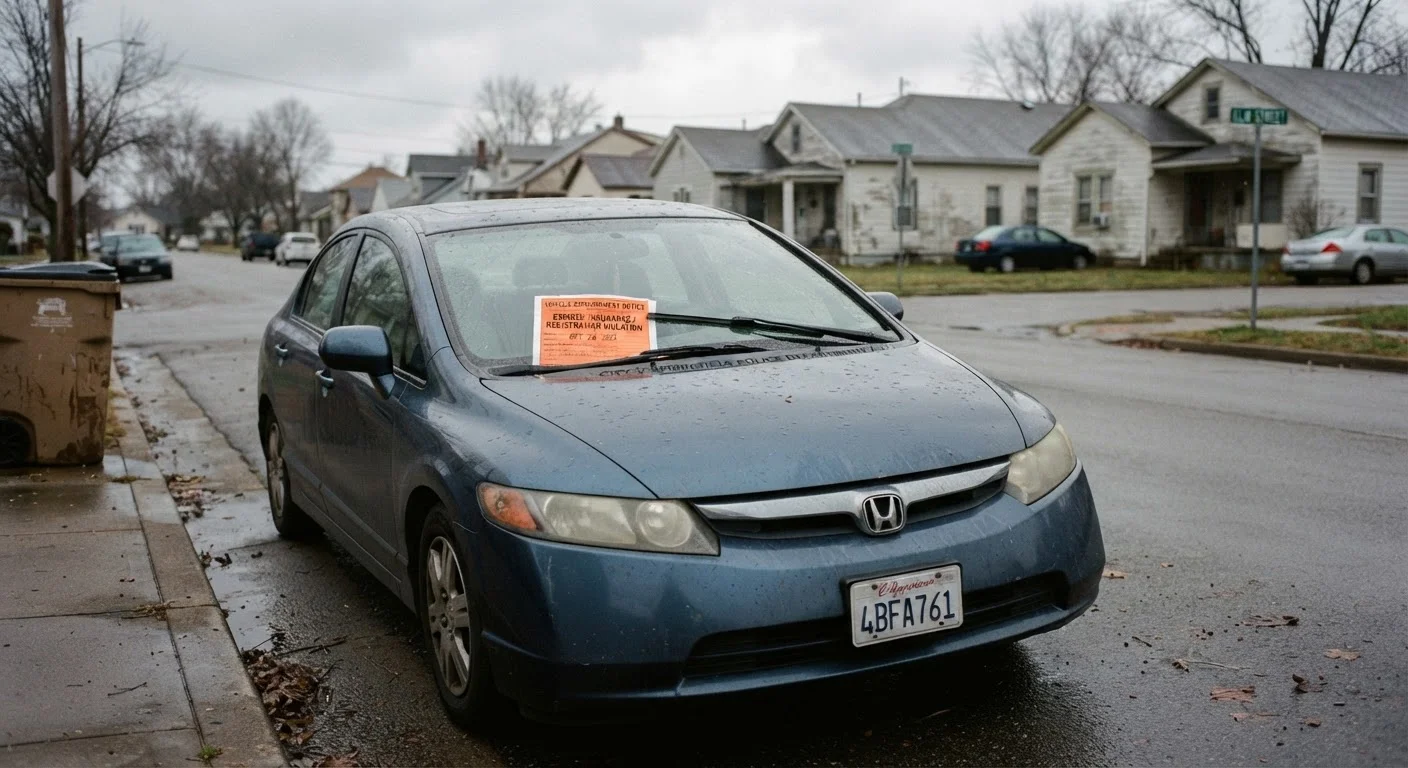
Photo: InsightsVault.com | Interesting Daily Reads editorial
Key Takeaways
- A lapse as short as one day can raise your premiums for months or years afterward.
- Most states require continuous insurance; driving uninsured risks fines, license suspension, and vehicle impoundment.
- Insurers treat a gap caused by non-payment as a higher risk signal than a gap caused by switching policies.
- Any at-fault incident during a lapse leaves you personally responsible for all costs - repairs, medical bills, and legal fees.
- Reinstating a lapsed policy is often more expensive than maintaining continuous coverage in the first place.
What 'Lapse' Actually Means - and Why Even One Day Counts
A lapse isn't just about the days you spend uninsured. It's a mark on your insurance history that follows you to every future insurer. When you apply for a new policy, underwriters ask whether you've had a lapse. A gap - even 24 hours - is enough to shift you from the standard risk pool into the higher-risk category, where premiums are meaningfully elevated.
The reason insurers care is statistical: drivers who let coverage lapse are more likely, on average, to file claims in the period after coverage resumes. Whether that reflects financial stress, inattention, or something else, insurers price accordingly. The result is that you pay more for coverage precisely when your finances may already be strained.
Understanding the full cost of a lapse is part of the broader picture of how insurance premiums evolve across your entire driving life - and why continuity of coverage is one of the few levers you control directly.
Grace Periods Are Not the Same as Active Coverage
The Legal and Financial Penalties That Kick In Immediately
Every US state requires some minimum level of auto insurance for vehicles being operated on public roads. If you drive during a lapse, you are breaking the law. The penalties vary by state but commonly include:
- Fines: First-offense fines for driving uninsured range from roughly $100 to over $1,000 depending on the state, with higher penalties for repeat offenses.
- License and registration suspension: Many states automatically suspend your license or vehicle registration when they detect a gap in coverage reported by your insurer.
- SR-22 or FR-44 requirement: Some states require you to file a certificate of financial responsibility - commonly called an SR-22 - proving you've obtained insurance. Carrying an SR-22 requirement typically raises premiums for three years or more.
- Vehicle impoundment: In some jurisdictions, law enforcement can impound an uninsured vehicle on the spot, adding towing and storage fees on top of fines.
These penalties can accumulate quickly. A driver who goes uninsured for a month and is stopped once could face several hundred dollars in immediate costs before even factoring in any rate increases.
~13%
US drivers estimated to be uninsured
According to the Insurance Research Council, approximately 1 in 8 US drivers was uninsured as of recent estimates, highlighting how common coverage gaps are.
Up to 40%
Potential premium increase after a lapse
Industry analyses suggest drivers with a documented coverage lapse can face rate increases ranging from 10% to 40% or more, depending on lapse duration, state, and insurer.
3 years
Typical SR-22 requirement after an uninsured citation
Most states that require SR-22 filings impose them for approximately three years following a qualifying offense such as driving without insurance.
The Hidden Cost: Higher Premiums After You Reinstate
The most durable financial consequence of a lapse is the premium increase that follows. Insurers typically flag any gap in coverage, and the effect on your rate depends on three things: how long the lapse lasted, why it happened, and your overall driving history.
A lapse of fewer than 30 days caused by switching insurers is treated relatively leniently by most carriers. A lapse of 30 days or more - especially one caused by non-payment - can push your annual premium up significantly, sometimes 10% to 40% higher than what you were previously paying, depending on your state and insurer. That surcharge often persists for one to three years.
This is closely related to how no-claims discounts accumulate and disappear - a lapse can complicate how a new insurer recognizes your prior claims-free history, potentially costing you credit you spent years building.
Set Up a Coverage Overlap When Switching Insurers
What to Do If You're at Risk of Letting Coverage Lapse
If you're struggling to afford your premium, the worst outcome financially is usually to let the policy lapse. Several alternatives are worth exploring before that happens:
- Call your insurer before missing a payment. Many insurers will work with policyholders facing temporary hardship - extending a due date, splitting a payment, or adjusting coverage levels temporarily.
- Reduce coverage on a vehicle you're not driving. If a vehicle is parked for an extended period, some states allow a storage endorsement or reduced coverage that keeps the policy active at lower cost. Verify your state's requirements before reducing coverage.
- Shop for a lower rate before canceling. You may find comparable coverage at a lower price elsewhere. Switching insurers - done correctly, with new coverage starting the day the old policy ends - creates no lapse at all.
- Understand what add-ons you're actually paying for. Reviewing which insurance add-ons are worth keeping can reveal savings without dropping core coverage.
The full picture of car ownership costs includes insurance as a recurring, non-negotiable line item - treating it that way in your budget is the most effective way to avoid a lapse in the first place.
This article provides general information about auto insurance lapses and is not personalized insurance, legal, or financial advice. Coverage rules, penalties, and grace periods vary by state and insurer. Consult a licensed insurance agent or your state's department of motor vehicles for guidance specific to your situation.
Frequently Asked Questions
The content provided on our blog site traverses numerous categories, offering readers valuable and practical information. Readers can use the editorial team’s research and data to gain more insights into their topics of interest. However, they are requested not to treat the articles as conclusive. The website team cannot be held responsible for differences in data or inaccuracies found across other platforms. Please also note that the site might also miss out on various schemes and offers available that the readers may find more beneficial than the ones we cover.