
Community Health Centres: What They Offer and Who Qualifies

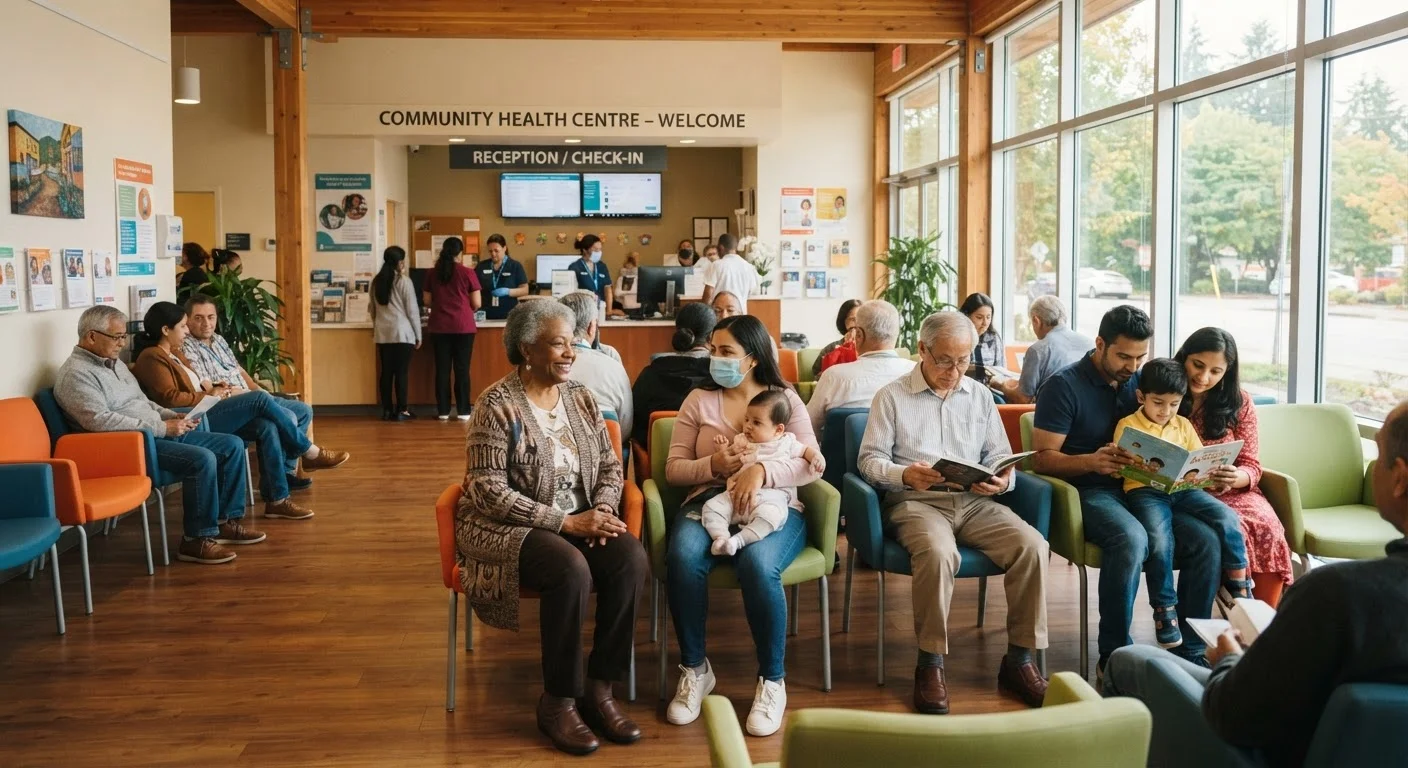
Photo: InsightsVault.com | Interesting Daily Reads editorial
Key Takeaways
- Community health centres serve patients regardless of insurance status or ability to pay.
- Federally Qualified Health Centres (FQHCs) use a sliding-scale fee tied to your income and family size.
- Services typically include primary care, dental, mental health, and pharmacy - often under one roof.
- You do not need proof of citizenship or a fixed address to receive care at most FQHCs.
- HRSA's online locator makes it straightforward to find a federally funded clinic near you.
What Makes a Federally Qualified Health Centre Different
Not all community clinics carry the same federal designation, and that distinction matters for your wallet. An FQHC has been certified by HRSA and receives federal grants that subsidise care costs directly. In exchange, it must accept every patient, charge on a sliding scale, and offer a defined set of services. This federal backing is what makes the no-refusal policy financially sustainable - the clinic absorbs costs that private practices typically cannot.
Look-alike health centres are clinics that meet the FQHC standards but receive no federal grant money; they still use sliding-scale fees and must serve all patients. Both types are legitimate options for cost-conscious patients. State-funded community clinics and free clinics round out the landscape but operate under different rules and funding streams, so services and eligibility can vary more widely.
Free Clinics Are Not the Same as FQHCs
What Services Are Typically Available
The federal mandate for FQHCs covers a core basket of services. Most locations offer:
- Primary medical care: routine checkups, chronic disease management (diabetes, hypertension, asthma), and sick visits
- Dental care: cleanings, fillings, and extractions - a major gap for uninsured adults that CHCs help fill
- Behavioural health: counselling, therapy, and in many cases psychiatric services
- Pharmacy assistance: access to the 340B Drug Pricing Program, which lets FQHCs purchase medications at sharply reduced prices and pass savings to patients
- Preventive screenings and vaccines: many of which overlap with services covered at no cost under the Affordable Care Act for insured patients - see our guide to no-cost preventive services for comparison
Some centres also provide transportation assistance, translation services, and outreach for housing or nutrition support - addressing the social factors that drive health costs long term.
Ask About the 340B Programme at Your First Visit
Who Qualifies and What to Bring
Eligibility is intentionally broad. FQHCs must serve anyone who lives in or has a connection to their designated service area. There are no income cutoffs, no insurance requirements, and no citizenship checks. Patients who are uninsured, underinsured, on Medicaid, or fully insured with private coverage can all be seen - though insured patients are billed through their plan in the normal way.
For the sliding-scale discount, you will typically need to demonstrate income. Acceptable documents often include a recent pay stub, a tax return, proof of benefits (like an award letter for SNAP or Medicaid), or a signed self-declaration if you have no documentation. Family size is also factored in. Come prepared, but know that most CHCs have intake staff trained to work through situations where documentation is limited.
30M+
Patients served annually by FQHCs
According to HRSA data, federally qualified health centres collectively serve over 30 million patients across the United States each year.
~40%
FQHC patients who are uninsured
HRSA reports that roughly 40% of FQHC patients are uninsured, underscoring the centres' role as a safety-net provider.
1,400+
FQHC organisations nationwide
HRSA recognises more than 1,400 FQHC organisations operating roughly 14,000 service delivery sites across all 50 states, DC, and US territories.
How to Find and Access a Centre Near You
The most direct route is HRSA's Health Centre Finder at findahealthcenter.hrsa.gov. Enter a zip code and you will see a map of federally funded clinics with addresses, hours, and contact information. Calling ahead is advisable - clinics can have wait times for new patients, and some operate by appointment only.
If a clinic has a long wait or limited hours, consider these additional avenues:
- 211 helplines: dial 2-1-1 or visit 211.org for a live referral to local health resources, including state-funded clinics and free clinics not in the HRSA database
- State Medicaid office: if you are income-eligible, enrolling in Medicaid expands your options significantly and often makes FQHC visits nearly or completely free
- Hospital financial assistance programs: nonprofit hospitals are required to have charity care policies; an FQHC case manager can often help you navigate these
This article provides general health information for educational purposes only and is not a substitute for personalised medical or financial advice. Always consult a qualified healthcare professional for guidance specific to your situation.
Frequently Asked Questions
The content provided on our blog site traverses numerous categories, offering readers valuable and practical information. Readers can use the editorial team’s research and data to gain more insights into their topics of interest. However, they are requested not to treat the articles as conclusive. The website team cannot be held responsible for differences in data or inaccuracies found across other platforms. Please also note that the site might also miss out on various schemes and offers available that the readers may find more beneficial than the ones we cover.