
Camping, Glamping, and Wild Camping: Budget Sleeping Options Outdoors

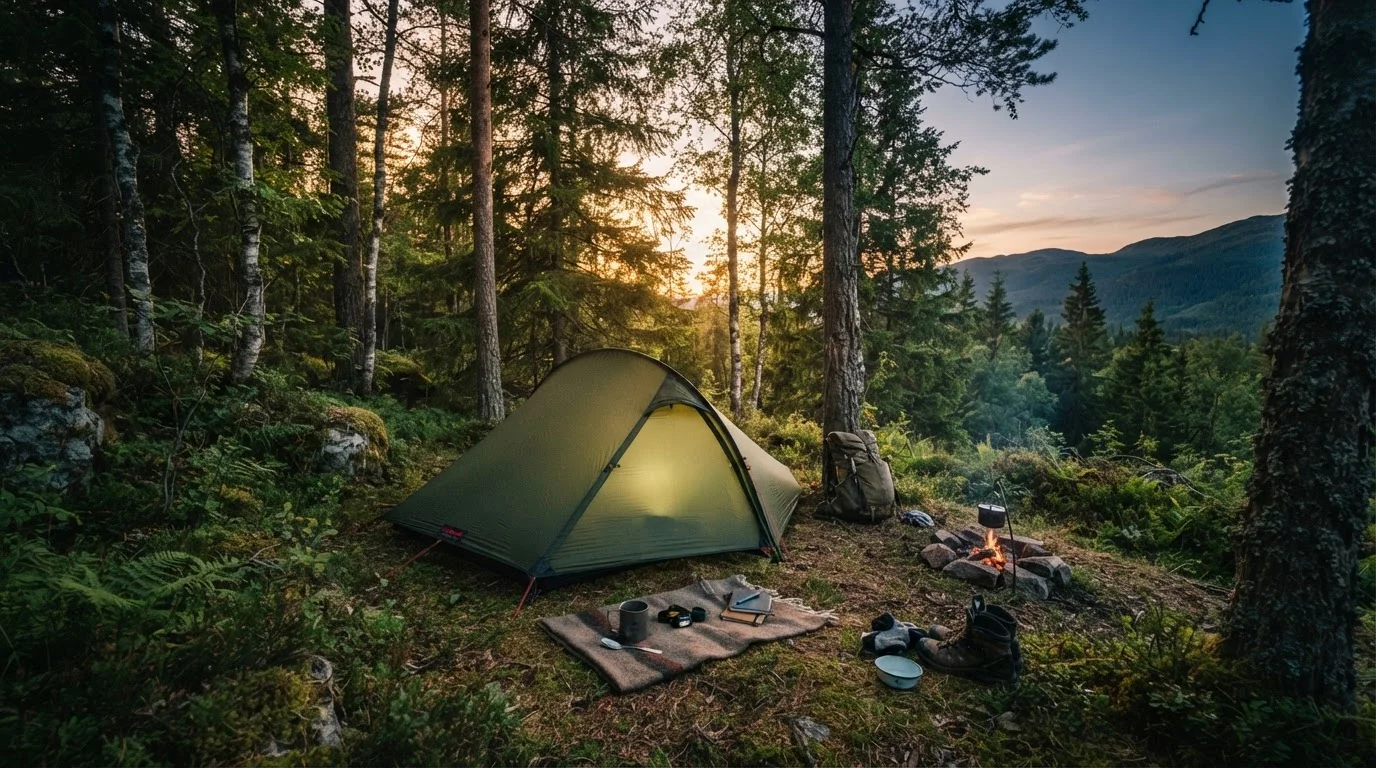
Photo: InsightsVault.com | Interesting Daily Reads editorial
Key Takeaways
- Traditional camping at established campgrounds is generally the most reliable low-cost outdoor lodging option.
- Glamping costs significantly more than tent camping but still undercuts most hotel rates in comparable locations.
- Wild camping is legal in some US states and on certain federal lands but varies widely by jurisdiction - always verify before pitching.
- Gear investment is a one-time cost that makes camping cheaper over time compared to nightly lodging fees.
- Campground amenities, reservation windows, and permit requirements differ substantially across public and private sites.
Why Outdoor Sleeping Can Slash Your Lodging Bill
Lodging is typically the single largest line item in a travel budget. Outdoor sleeping options - ranging from a $15-per-night campground site to a zero-cost backcountry bivouac - can dramatically reduce that expense. The trade-off isn't always comfort; it's often just planning. Understanding the realistic costs, logistics, and legal requirements of each approach lets you choose the right fit rather than defaulting to the cheapest option and regretting it.
For a broader look at how outdoor stays compare to other affordable accommodation types, see the full breakdown of budget accommodation types covering everything from capsule hotels to couchsurfing.
| Traditional Camping | Glamping | Wild Camping | |
|---|---|---|---|
| Typical nightly cost | $0-$35 (public sites) | $80-$250 | $0 (where legal) |
| Gear required | Yes - tent, bag, pad | No - provided on-site | Yes - plus navigation/safety kit |
| Amenities | Basic to moderate | Comfortable to high-end | None - self-sufficient only |
| Reservation needed | Often, especially peak season | Yes - advance booking advised | Permit required in some areas |
| Legal complexity | Low on designated sites | Low - managed properties | High - varies by land and state |
| Best for | Budget travelers with gear | Comfort-seekers, beginners | Experienced, self-sufficient campers |
Traditional Camping: Established Sites and What They Actually Cost
Campgrounds on US public lands - managed by the National Park Service, the Bureau of Land Management, or state park systems - typically charge between $10 and $35 per night for a standard tent site. Many BLM dispersed camping areas allow stays free of charge within defined limits (usually 14 consecutive days in one location). Private campgrounds run higher, often $30-$55 per night, but frequently offer more amenities: flush toilets, showers, electrical hookups, and Wi-Fi.
The key variables are reservation timing and site availability. High-demand parks - particularly those in the national park system - often require reservations months in advance through Recreation.gov. Booking flexibility and willingness to target shoulder-season dates (spring and fall) can help secure sites that are both available and lower in cost.
Book Dispersed Sites Early in Peak Season
Gear is the front-loaded cost. A functional tent, sleeping bag rated for the season, and sleeping pad represent a meaningful initial outlay, but that cost amortizes quickly across multiple trips. Travelers who camp several times a year typically recoup gear costs within a single season compared to equivalent nights in budget hotels.
Glamping: The Comfort Premium and When It Makes Sense
Glamping - short for glamorous camping - covers a wide spectrum: furnished safari tents, yurts, treehouses, Airstream trailers, and geodesic domes. Nightly rates generally run $80-$250 depending on location and amenity level, which is noticeably higher than a campground site but can be competitive with or lower than hotel rates in scenic rural areas where lodging supply is limited.
The financial case for glamping is strongest when it replaces a hotel stay rather than a tent-camping trip. It also removes the gear barrier entirely, making it accessible to travelers who don't own equipment and aren't ready to invest in it. The downside: you're paying a significant premium for infrastructure that a tent camper brings themselves.
Glamping is worth considering for one- or two-night stays where the experience itself is part of the draw - national park adjacency, vineyard settings, coastal bluffs. For multi-night stays or trips where the outdoors is a backdrop rather than the focus, traditional camping or even other budget lodging types are likely more cost-efficient. Compare outdoor stays against indoor budget options using the hostel and budget hotel comparison.
Wild Camping: Free but Not Without Rules
Wild camping - pitching outside a designated campground, whether in backcountry wilderness or dispersed public land - is the most cost-effective approach when it's legal. In the US, dispersed camping is permitted across large portions of national forests and BLM-managed land without a fee, provided campers follow distance rules from roads, water sources, and trailheads, and adhere to Leave No Trace principles.
Legality is the critical variable. Wild camping on private land without permission is trespassing. National parks generally prohibit camping outside designated sites unless you hold a backcountry permit. State regulations vary considerably. Before heading out, verify rules with the specific managing agency for your target area - the BLM and US Forest Service both publish land-use guidance online.
Always Verify Wild Camping Legality Before You Go
For those looking to reduce lodging costs to near zero over a longer trip, combining dispersed camping with other no-cost arrangements can be highly effective. The guide to free accommodation arrangements covers complementary strategies like house-sitting and work exchanges that pair well with outdoor stays.
Wild camping also demands more self-sufficiency: water filtration, appropriate shelter, navigation skills, and awareness of local wildlife and weather. These aren't insurmountable, but they do require preparation that casual glamping or campground stays do not.
The content provided on our blog site traverses numerous categories, offering readers valuable and practical information. Readers can use the editorial team’s research and data to gain more insights into their topics of interest. However, they are requested not to treat the articles as conclusive. The website team cannot be held responsible for differences in data or inaccuracies found across other platforms. Please also note that the site might also miss out on various schemes and offers available that the readers may find more beneficial than the ones we cover.