
House-Sitting, Work Exchanges, and Other Ways to Stay Free While Travelling

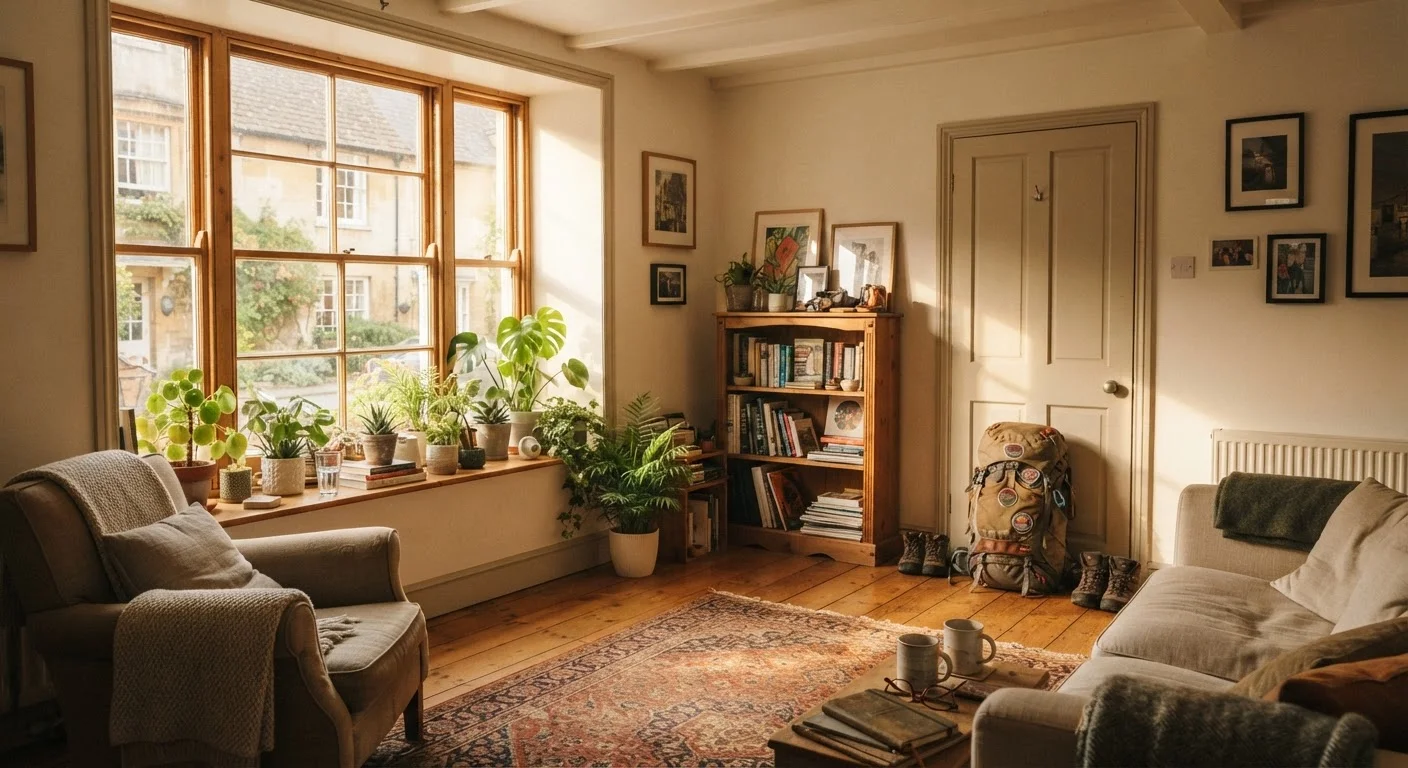
Photo: InsightsVault.com | Interesting Daily Reads editorial
Key Takeaways
- House-sitting lets you stay in real homes for free in exchange for looking after the property or pets.
- Work exchanges trade a few hours of daily labour for accommodation, meals, or both.
- Hospitality networks connect travellers with locals willing to host for free or at minimal cost.
- Each free-stay arrangement has real commitments and trade-offs - understanding them saves disappointment.
- Combining free accommodation with smart food spending can dramatically reduce total trip costs.
Why Free Accommodation Is More Realistic Than It Sounds
Most travellers assume lodging is a fixed, unavoidable cost - something to minimise but never eliminate. That assumption is worth challenging. A range of legitimate, widely-practised arrangements allow people to stay overnight at little or no cost, not through loopholes, but through straightforward exchanges of time, care, or goodwill.
These options aren't fringe or niche. Millions of travellers use them every year, from retirees doing extended house-sits across Europe to younger travellers working a few hours a day on organic farms in exchange for a bed and meals. None of them require special skills or connections - they require preparation, realistic expectations, and an understanding of what each arrangement actually involves.
If you're already thinking carefully about food spending, see how pairing free accommodation with affordable eating strategies can cut your daily travel budget dramatically. For context on how these options compare to paid alternatives, a full breakdown of budget accommodation types is worth reading alongside this guide.
House-Sitting
House-sitting means staying in someone's home while they're away, in exchange for keeping it secure, collecting mail, watering plants, or caring for pets. Stays can last anywhere from a few days to several months. The accommodation is free; in most arrangements, utilities are also covered.
Sitters find assignments through dedicated platforms that connect homeowners with vetted travellers. Both parties create profiles, exchange references, and agree on responsibilities before any stay begins. A strong application - clear communication, a complete profile, and relevant experience - dramatically improves your chances of being selected, especially for sought-after locations.
Key realities: your travel dates must align with the homeowner's departure and return, which limits flexibility. Pet care responsibilities can be demanding, particularly for owners with dogs that need multiple daily walks.
House-sitting is one of the few ways to stay in a real home, in a real neighbourhood, for zero cost.
Work Exchanges (WWOOFing and Beyond)
Work exchange programmes connect travellers with hosts - farms, hostels, guesthouses, community projects - who provide accommodation and often meals in exchange for a set number of hours of work per day, typically four to five. The rest of the day is yours.
The most established network focuses on organic farming (WWOOFing - Worldwide Opportunities on Organic Farms), but the model extends broadly: hostel reception shifts, conservation work, teaching assistance, and more. Placements range from rural farms in New Zealand to urban community gardens in Spain.
The honest trade-off: you're committing to a schedule and a location. If the work is physically demanding or the host is poorly organised, the experience suffers. Reading host reviews carefully - and communicating clearly before arrival - is non-negotiable.
A few hours of honest work each day can cover both a bed and meals, keeping your cash spending extremely low.
Hospitality Networks
Hospitality networks are communities where members agree to host other members in their homes for free. The underlying principle is reciprocity: travellers host when they're home, and stay for free when they're travelling. No money changes hands.
These platforms operate on trust built through verified profiles, references, and a culture of genuine cultural exchange - not just a free bed transaction. Hosts typically expect guests to spend time with them: sharing a meal, conversation, or a local outing. If your priority is privacy and independence, this model may not suit you.
Building a credible, well-reviewed profile takes time. New members often find it harder to secure stays in popular cities. Starting with smaller towns or less competitive destinations can help establish a positive track record.
Hospitality networks reward genuine cultural curiosity - travellers who engage with hosts tend to have far better experiences.
Volunteer Programmes with Accommodation Included
Structured volunteer programmes - through conservation organisations, NGOs, community development projects, and cultural exchange schemes - often include free or heavily subsidised accommodation as part of the placement. These differ from informal work exchanges in that they're typically more formally organised, with defined roles, oversight, and sometimes a minimum age or skill requirement.
Programmes vary enormously in quality and cost. Some legitimate volunteer programmes charge a placement or programme fee; this is normal for organisations that cover coordination, insurance, and in-country support. Be cautious of any programme where the fee seems disproportionately high relative to what's offered, or where the community benefit is unclear.
Duration is usually a minimum of two to four weeks, making this a better fit for extended trips than short holidays. Pair this with free and low-cost local activities and your total daily spend can be remarkably modest.
Well-chosen volunteer placements offer free lodging, meaningful work, and access to communities most tourists never see.
Home Swapping
Home swapping involves exchanging your own residence with another person's for a set period, so both parties get free accommodation simultaneously - or through a points-based system where exchanges don't have to be simultaneous. You stay in their home; they stay in yours at a different time.
This model requires you to own or rent a home that others would want to stay in, which immediately narrows the eligible pool. It also involves handing your home to a stranger, which requires trust, clear agreements about house rules, and ideally a platform that provides some form of member verification and dispute resolution.
For homeowners with properties in desirable locations - urban centres, coastal towns, near parks or cultural sites - home swapping can effectively fund extended international travel by eliminating accommodation costs entirely on both sides of the exchange.
Home swapping is most powerful for owners in desirable locations - your address becomes your travel currency.
Crewing on Sailboats and Long-Distance Vessels
For travellers with flexibility and a tolerance for adventure, crewing on private sailboats or other long-distance vessels offers passage and accommodation in exchange for helping sail the boat. Crew members typically stand watch rotations, assist with navigation tasks, and help with deck work. No prior sailing experience is required for some positions, though demonstrating reliability and a willingness to learn is essential.
Crew positions are typically found through dedicated crewing websites, marina noticeboards, and sailing community forums. Crossings - such as Atlantic passages or Pacific hops - are most commonly available in predictable seasonal windows. The trade-off is genuine: ocean passages are physically demanding and sometimes uncomfortable, and you're entirely dependent on the skipper's judgment and vessel quality.
This option pairs well with broader cost-cutting on the road - check on-the-road savings strategies for ways to keep spending low once you reach a destination.
Ocean crewing is as adventurous as budget travel gets - passage and a bunk in exchange for watch shifts and deck work.
Choosing the Right Arrangement for Your Trip
No single free-stay model works for every traveller or every trip. House-sitting demands flexibility on dates; work exchanges require physical availability and, often, a minimum stay of one to two weeks. Hospitality networks depend on building a credible profile over time. The common thread is that each arrangement involves a real commitment - to a host, a property, or a schedule.
Before committing, be honest about what you're trading. Free accommodation isn't free of responsibility. Evaluate each opportunity the same way you'd evaluate a paid stay: location, safety, clarity of expectations, and host communication quality. Platforms that facilitate these arrangements typically have review systems; use them rigorously.
Build Your Profile Before You Need It
For travellers who prefer paying something but still want to keep costs low, comparing hostels and vacation rentals offers a clear-eyed look at where money actually goes. And if you've encountered scepticism about budget lodging, common budget accommodation myths addresses the assumptions that keep people overpaying.
This article provides general travel information only. Costs, platform terms, and availability of arrangements vary by location and may change. Always verify current conditions with official sources and hosts before making travel commitments.
The content provided on our blog site traverses numerous categories, offering readers valuable and practical information. Readers can use the editorial team’s research and data to gain more insights into their topics of interest. However, they are requested not to treat the articles as conclusive. The website team cannot be held responsible for differences in data or inaccuracies found across other platforms. Please also note that the site might also miss out on various schemes and offers available that the readers may find more beneficial than the ones we cover.