
Eating Well Abroad Without Draining Your Budget

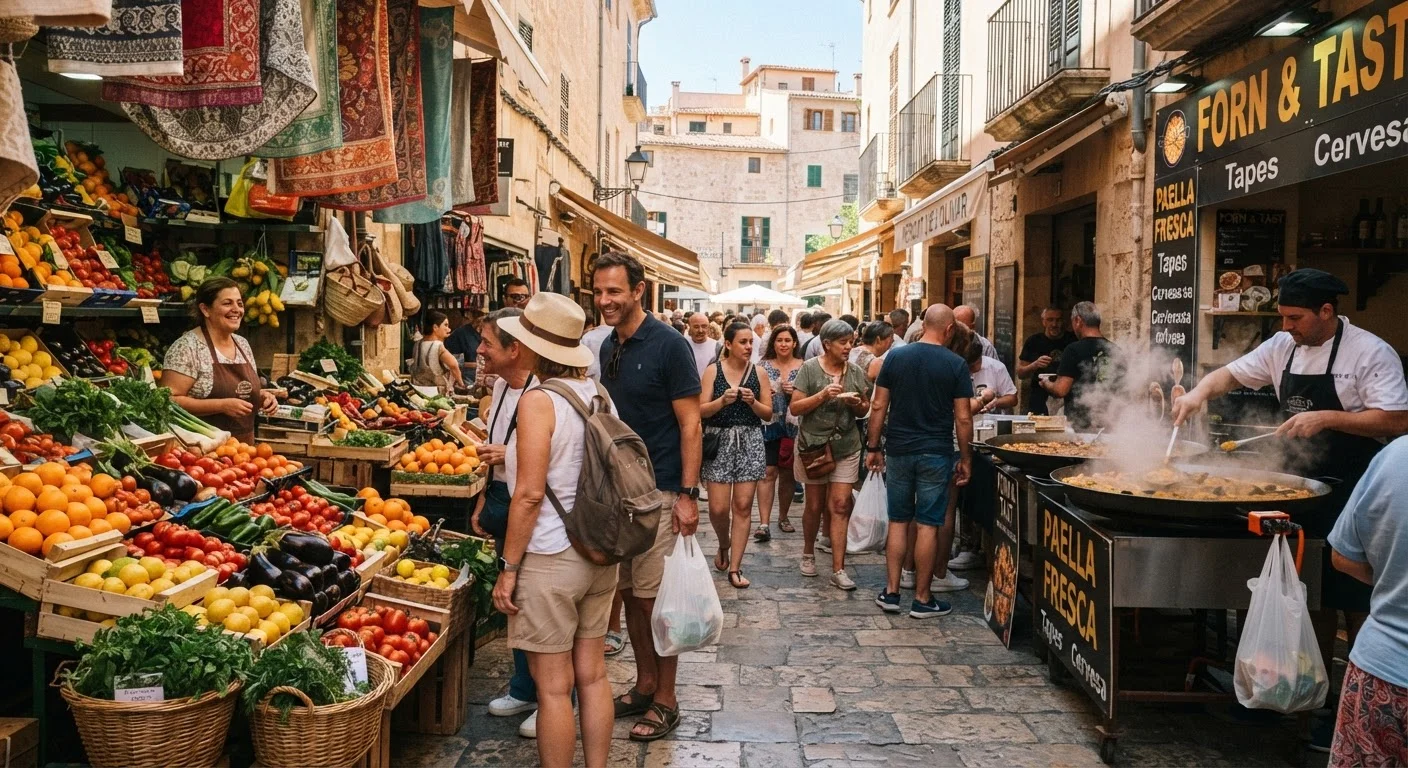
Photo: InsightsVault.com | Interesting Daily Reads editorial
Key Takeaways
- Eating where locals eat - not where tourists congregate - cuts meal costs significantly without sacrificing quality.
- Markets, lunch specials, and self-catering for breakfasts are the three highest-impact food budget strategies.
- Understanding local meal timing and culture helps you access lower prices most tourists miss entirely.
- Carrying a reusable water bottle and day-bag snacks eliminates a surprising amount of impulse food spending.
- Street food and sit-down restaurants have a wider cost gap than most travelers expect - the difference compounds daily.
Why Food Spending Gets Out of Hand Abroad
Food is typically the second or third largest travel expense after accommodation and transport - yet it's the category where spending most easily spirals. Unfamiliar surroundings, hunger-driven decisions, and a tendency to cluster in tourist areas all push travelers toward overpriced, mediocre meals. A café positioned two blocks from a famous landmark can charge three times the local rate for the same coffee and sandwich.
The fix isn't eating badly. It's eating strategically. A small shift in where, when, and how you find food can drop your daily food spend noticeably without making meals feel like an afterthought. For a deeper look at managing all your on-the-road costs together, see the complete reference for budget-conscious travellers.
Core Practices for Eating Well on Less
The strategies below work across most destinations - whether you're in Southeast Asia, Southern Europe, or Latin America. They're not about deprivation; they're about redirecting the same money toward food that's often fresher and more interesting than what's on the tourist circuit.
3×
Price premium in tourist-zone restaurants
Restaurants immediately adjacent to major tourist attractions commonly charge two to three times the price of comparable local eateries nearby, based on widely observed pricing patterns across popular destinations.
~30%
Average share of travel budget spent on food
Food typically accounts for roughly 25-35% of a traveler's total trip spending, making it one of the most impactful categories to optimize, according to general travel expenditure research.
50-70%
Potential savings with set lunch vs. dinner
In destinations with a strong lunch-menu culture - such as parts of Spain, France, and Portugal - the set midday meal can cost 50-70% less than ordering the same dishes at dinner.
For a side-by-side breakdown of what street food versus sit-down dining actually costs day-to-day, the street food vs. sit-down restaurants comparison is worth reading before your trip.
Self-Catering and Market Shopping
You don't need a full kitchen to self-cater meaningfully. Picking up breakfast supplies - bread, fruit, yogurt, local cheese - from a supermarket or covered market cuts one meal per day to a fraction of restaurant cost. Doing this consistently across a week-long trip can free up significant spending money for experiences that matter more to you.
Local markets also give you access to prepared foods that aren't in any guidebook: roasted vegetables, stuffed pastries, olives sold by weight, cured meats. These are often the most authentically local eating experiences available, priced for residents rather than visitors. Our guide to grocery shopping while travelling covers how to navigate supermarkets and markets in unfamiliar destinations.
Carrying snacks also ties directly into how you pack. A well-prepared day bag eliminates the impulse purchases - bottled water, packaged snacks, tourist-trap café stops - that quietly inflate food spending throughout the day.
Timing, Habit, and Local Knowledge
Meal timing matters more than most travelers realize. In many European and Latin American countries, a full sit-down lunch - the same dishes served at dinner - is available at significantly lower prices during a midday set-menu window (often called menú del día or similar). Ordering dinner prices for the same food is simply a failure to know the local rhythm.
Ask accommodation staff where they eat lunch - not where they send tourists. That single question, repeated in each new city, consistently surfaces affordable, high-quality options within walking distance. Reviews written in the local language on local platforms will lead you to different restaurants than English-language travel apps will.
Food Safety and Street Vendors
Finally, if managing currency and payment methods while you're out eating is adding friction, the guide to spending money abroad covers when cash makes more sense than card - which matters at markets and small local restaurants that may not accept foreign cards.
The content provided on our blog site traverses numerous categories, offering readers valuable and practical information. Readers can use the editorial team’s research and data to gain more insights into their topics of interest. However, they are requested not to treat the articles as conclusive. The website team cannot be held responsible for differences in data or inaccuracies found across other platforms. Please also note that the site might also miss out on various schemes and offers available that the readers may find more beneficial than the ones we cover.