
Packing a Day Bag That Saves Money on the Road

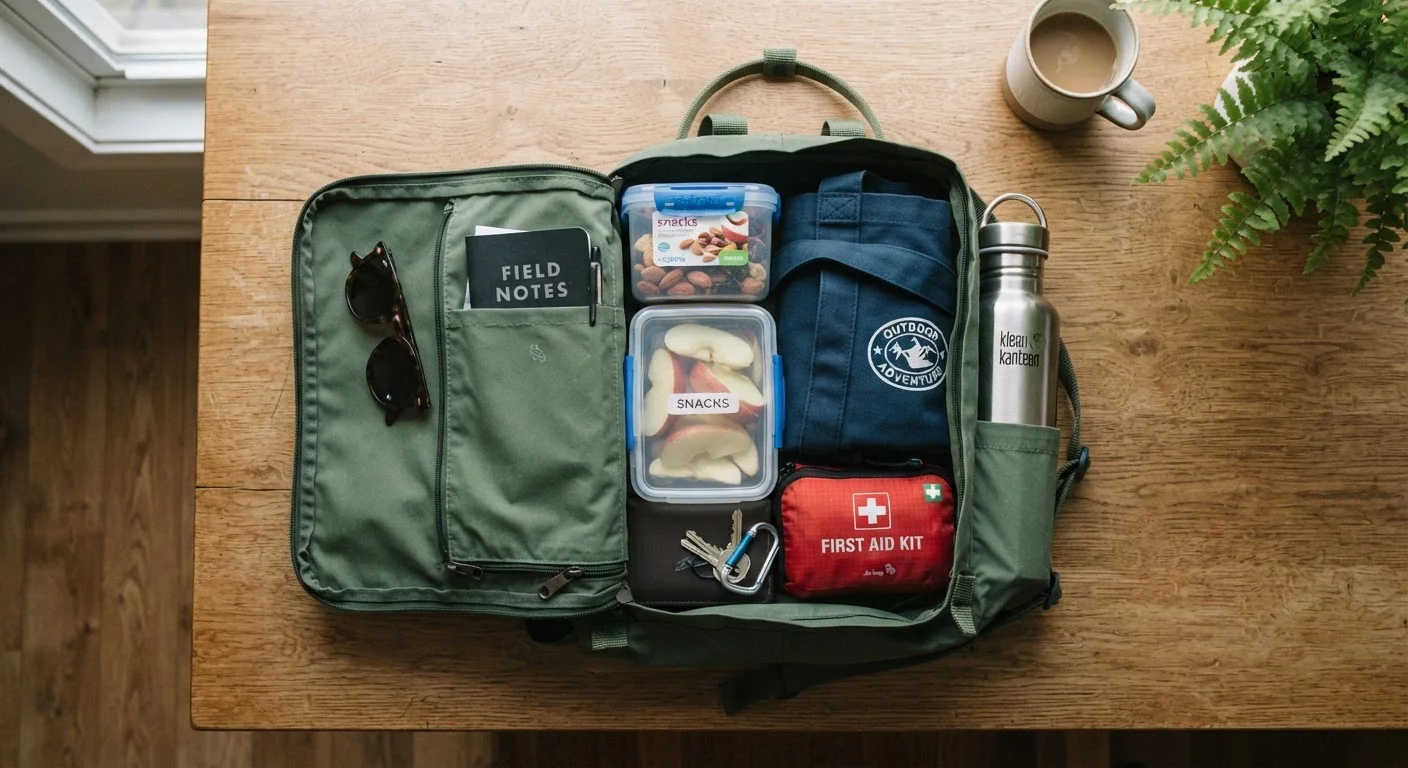
Photo: InsightsVault.com | Interesting Daily Reads editorial
Key Takeaways
- A reusable water bottle alone can save $3-$6 per day in tourist areas where bottled water is heavily marked up.
- Packing snacks from a local grocery store before heading out eliminates the most common impulse purchases.
- Carrying a lightweight tote prevents paying for plastic bags at shops and markets.
- A small first-aid kit avoids costly convenience-store pharmacy runs for basic items.
- Planning your day bag around your itinerary reduces the chance of buying things out of necessity.
Why Your Day Bag Is a Spending-Control Tool
Most travel overspending doesn't happen at check-in - it happens during the day, in small, avoidable purchases. A $4 bottle of water here, a $6 tourist-trap snack there, a $2 bag at a market stall. Individually these feel trivial. Across a week-long trip, they add up to a meaningful chunk of your budget.
The fix isn't willpower - it's preparation. A thoughtfully packed day bag removes the conditions that produce impulse spending: thirst, hunger, discomfort, and the scramble for something you forgot. This checklist covers what experienced budget travellers consistently carry and, critically, why each item earns its place.
For a broader look at on-the-road spending, see the complete reference for budget-conscious travellers. And if you want to carry these habits beyond your trip, the habits that keep budget-conscious shoppers from overspending is worth a read.
Reusable water bottle (wide-mouth, insulated)
Keeps drinks cold for hours and eliminates the need to buy bottled water throughout the day.
Compact day pack (20-25 litres)
Holds everything on this list without being so large it invites overpacking or attracts pickpockets.
Portable power bank
Keeps your phone charged so you can navigate, compare prices, and access e-tickets without paying for charged services.
Lightweight packable tote
Folds flat inside your bag and opens out when you need to carry market purchases or avoid bag fees at shops.
Small first-aid kit
Covers common day-trip needs - blisters, minor cuts, headaches - without resorting to expensive tourist-area pharmacies.
Resealable food containers or zip bags
Store snacks and packed lunches cleanly so they stay fresh and don't leak inside your bag.
The Day Bag Checklist
Run through these items the evening before each full day out. Most take only seconds to check - but skipping them is where unnecessary spending creeps in.
Hydration
Food and Snacks
Comfort and Health
Money and Documents
Bag Essentials
Don't Let Over-Packing Backfire
For food-specific packing strategy, the guides on eating well abroad without draining your budget and grocery shopping while travelling explain where to source affordable supplies at your destination.
The content provided on our blog site traverses numerous categories, offering readers valuable and practical information. Readers can use the editorial team’s research and data to gain more insights into their topics of interest. However, they are requested not to treat the articles as conclusive. The website team cannot be held responsible for differences in data or inaccuracies found across other platforms. Please also note that the site might also miss out on various schemes and offers available that the readers may find more beneficial than the ones we cover.