
Grocery Shopping While Travelling: A Practical Overview

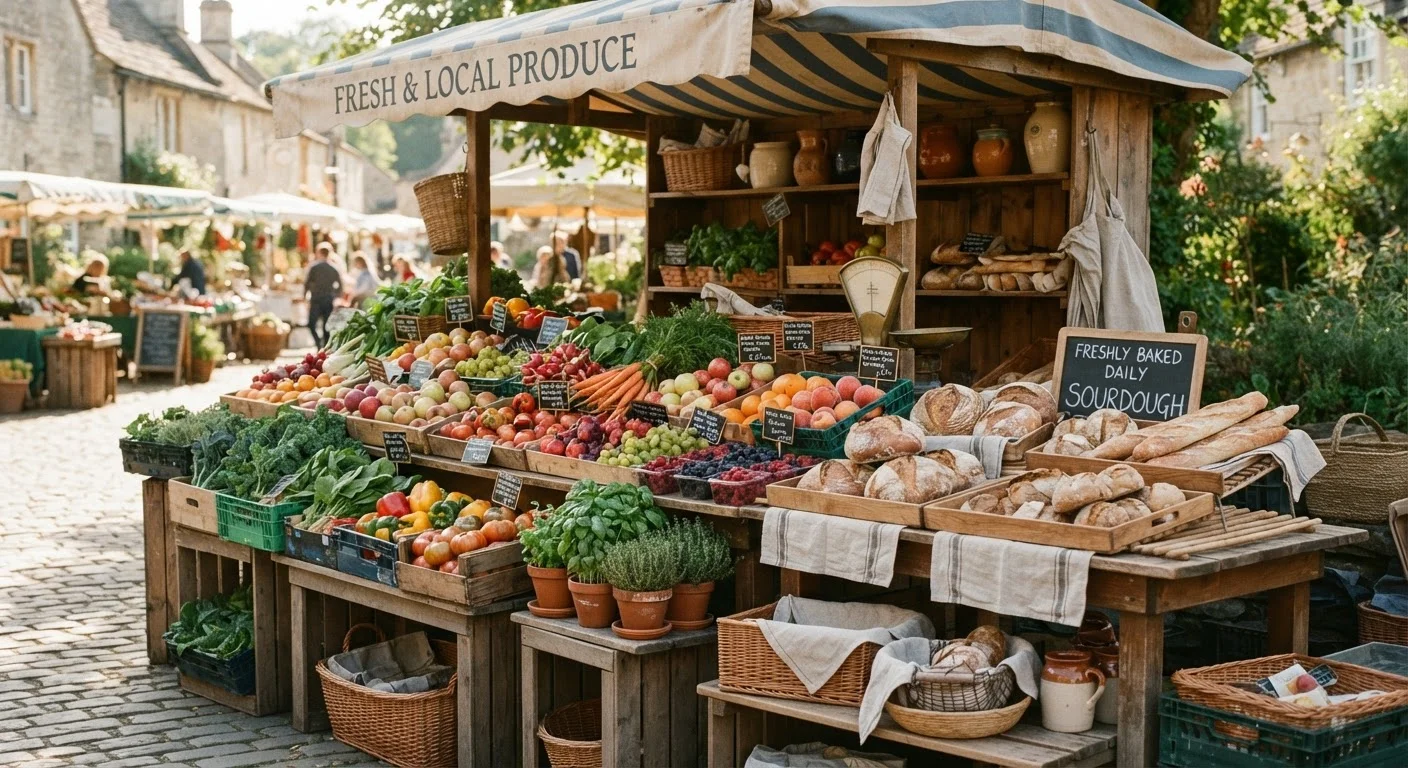
Photo: InsightsVault.com | Interesting Daily Reads editorial
Key Takeaways
- Grocery shopping abroad can meaningfully reduce daily food costs compared to eating out for every meal.
- Understanding local store types and market schedules helps you shop efficiently in unfamiliar destinations.
- Buying staples, snacks, and breakfasts from supermarkets frees budget for meaningful dining experiences.
- Payment methods, packaging sizes, and local pricing logic differ by country - knowing this prevents surprises.
- A short pre-shop plan helps avoid waste and impulse buys, especially in smaller accommodation with no kitchen.
Why Grocery Shopping Makes Sense While Travelling
Eating every meal at a restaurant is one of the fastest ways to blow a travel budget. Even in destinations where dining out is relatively inexpensive, the cumulative cost of breakfasts, snacks, and drinks adds up quickly. Incorporating grocery shopping - even partially - into your routine is one of the most reliable ways to stretch spending money further once you arrive.
This isn't about avoiding local food culture. It's about being deliberate: pick up breakfast items and snacks from a supermarket, save your restaurant budget for meals that genuinely reflect where you are. That approach pairs well with the strategies in our guide on eating well abroad without draining your budget, which covers market meals and local lunch spots tourists often skip.
The financial case is straightforward. A packaged yogurt, a piece of fruit, and a bottle of water from a local supermarket will almost always cost a fraction of an equivalent café breakfast. Multiply that across several days and the savings are real - without sacrificing quality or experience.
Self-Catering Doesn't Mean Missing Out
What You Need Before You Start
A little preparation goes a long way before your first grocery run in a new destination. Being clear on your accommodation setup, your payment options, and your general plan will prevent wasted trips and impulse purchases.
What you will need
Reusable shopping bag
Carries groceries without needing to buy single-use bags, which are charged for or unavailable in many countries.
Local cash in small denominations
Essential for markets and smaller stores that don't accept cards or charge foreign card surcharges.
Lightweight food container or zip-lock bags
Keeps loose produce, bread, or cheese fresh and portable for day trips without a refrigerator.
Translation app (offline-capable)
Helps decode ingredient lists, allergy labels, and aisle signage in non-English-speaking destinations.
How to Shop Groceries Effectively Abroad: Step by Step
Follow these steps whenever you arrive somewhere new and want to integrate grocery shopping into your travel routine. The process works whether you're in a major city or a smaller destination with limited store options.
Identify what types of stores are available locally
Before heading out, spend five minutes researching what grocery options exist near your accommodation. In most cities you'll find a mix: large supermarkets, smaller convenience-style stores, and outdoor or covered markets. Each serves a different purpose. Large supermarkets generally offer the widest selection and competitive pricing on packaged goods. Markets - particularly produce markets - are often the best value for fresh fruit, vegetables, bread, and local specialities.
A quick search for the neighbourhood name plus "supermarket" or "mercado" (or the local equivalent) is usually enough. Alternatively, ask your accommodation host - they almost always know the nearest affordable option.
Check opening hours before you go
Store hours vary dramatically by country and even by region. In parts of southern Europe, many smaller shops close for several hours midday. In some destinations, Sunday trading is significantly restricted or entirely closed. Markets often operate only in the morning and may run only on certain days of the week.
Arriving at a closed shop after a long day of sightseeing is frustrating and expensive - it pushes you toward whatever is open, which is usually pricier. Checking hours costs nothing and prevents wasted trips.
Make a short shopping list before entering the store
Going in without a list is the single biggest driver of food waste and impulse spending while travelling. Decide in advance what you actually need for the meals or snacks you're planning, and stick to it. Keep the list short and realistic given your storage situation.
Useful staples for travellers with limited kitchen access include: bread or crackers, local cheese or cured meat, fresh fruit, yogurt, nuts or trail mix, and a bottle of water. If you have access to a kettle, instant oatmeal or instant soup are low-cost, low-effort options for a quick meal.
Navigate the store and identify local vs. tourist-priced products
Once inside, orient yourself quickly. In most supermarkets, fresh produce, bread, and dairy are around the perimeter. The store-brand or own-label products (usually stacked on lower shelves) are almost always significantly cheaper than branded equivalents and are often identical in quality.
Avoid anything marketed in English in a non-English-speaking country - these products are almost always priced for tourist buyers. Choose the local version instead. If you can't read the label, a translation app handles most common situations.
Pay and handle any packaging or bag requirements
At checkout, have your payment method ready and be prepared for the process to differ from home. In many countries, bagging your own groceries is standard - store staff will not do it for you. Have your reusable bag open and ready before items are scanned. If you need a bag, you'll typically need to ask and pay for one.
Keep your receipt if you're tracking spending. Even a rough daily food cost log helps you understand where your travel budget is going - and whether the grocery strategy is actually saving you money relative to eating out.
Common Pitfalls and How to Avoid Them
Even experienced travellers make a few predictable grocery mistakes abroad. The most common is over-buying: unfamiliar packaging sizes, multi-packs, or enthusiasm at a well-stocked market leads to food you can't finish before checking out. Buy conservatively, especially early in a trip when you're still learning portion sizes and storage options.
Another trap is defaulting to imported or internationally branded products because they look familiar. These are almost always priced at a premium over local equivalents. Choosing the local version of the same staple - bread, cheese, yogurt, juice - typically costs noticeably less and is often higher quality. This mirrors the kind of habitual overspending covered in our piece on grocery spending habits that quietly drain budgets.
Also watch payment expectations. Some markets are cash-only, and smaller stores in many countries don't accept foreign cards without a surcharge. Knowing your payment options in advance - covered in more depth in our guide to spending money abroad - prevents awkward situations at the checkout.
Finally, be mindful that tourist-area supermarkets are often priced higher than stores a few blocks away from the main drag. Walking a short distance - or using local public transport - to reach a neighbourhood store can make a visible difference to what you pay.
This article is for general informational purposes only. Prices, store availability, and payment norms vary widely by destination and change over time. Verify current conditions locally on arrival.
The content provided on our blog site traverses numerous categories, offering readers valuable and practical information. Readers can use the editorial team’s research and data to gain more insights into their topics of interest. However, they are requested not to treat the articles as conclusive. The website team cannot be held responsible for differences in data or inaccuracies found across other platforms. Please also note that the site might also miss out on various schemes and offers available that the readers may find more beneficial than the ones we cover.