
Spending Money Abroad: Cash, Cards, and Currency Exchange

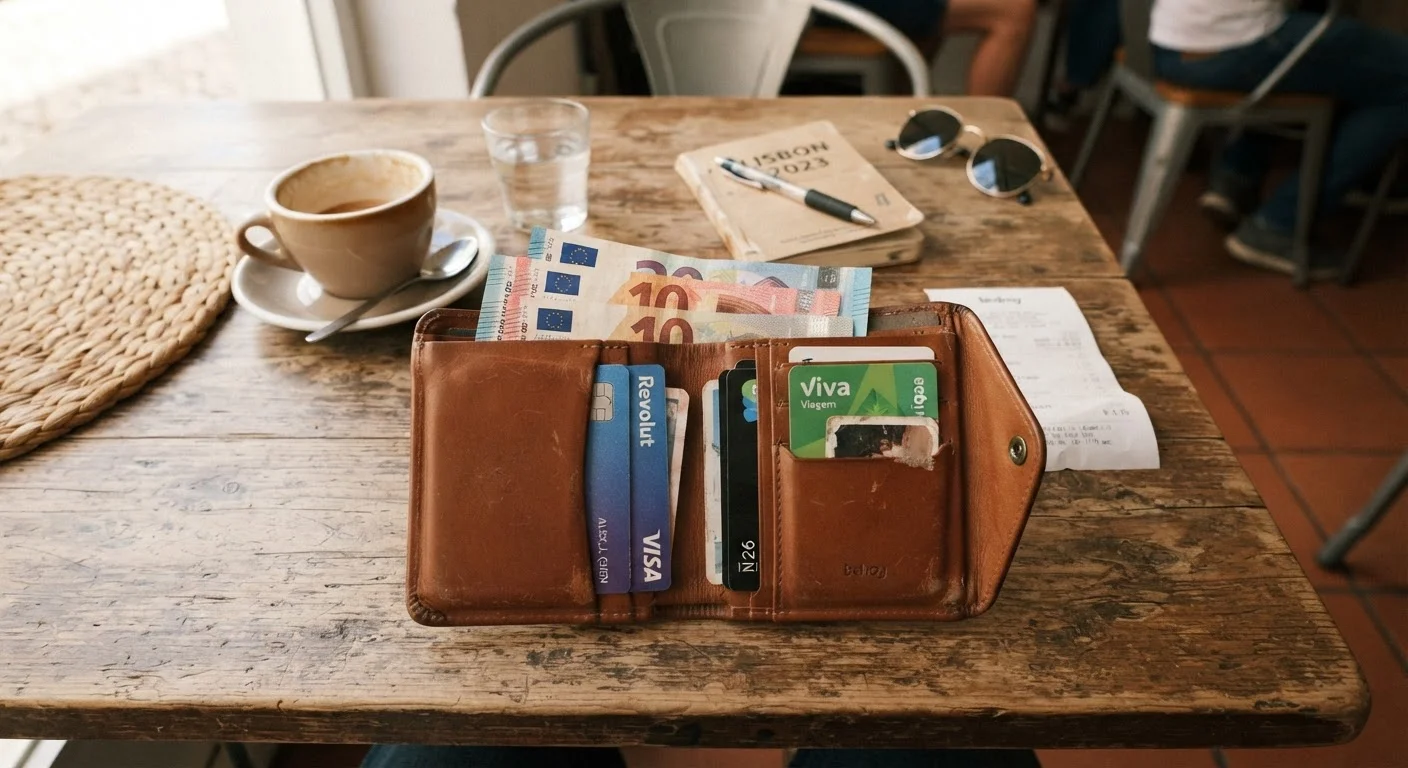
Photo: InsightsVault.com | Interesting Daily Reads editorial
Key Takeaways
- Exchange rates vary widely - the interbank rate is always better than airport or hotel kiosk rates.
- Foreign transaction fees and currency conversion charges can add 3-5% to every card purchase.
- Bank-network ATMs abroad typically offer better rates than currency exchange booths.
- Always choose to pay in the local currency, not your home currency, to avoid dynamic currency conversion markups.
- A mix of card and cash is usually the most resilient strategy for international travel.
Understanding Exchange Rates
The exchange rate determines how much local currency you get for each US dollar you spend - and the rate you see quoted in the news is rarely the one you'll receive. That figure is the interbank rate, the rate banks use when trading with each other. Consumers always get a slightly worse rate; the gap between the interbank rate and what you're offered is effectively the provider's profit margin.
Currency exchange booths at airports, hotels, and tourist attractions typically apply the largest markups. A booth advertising "no commission" may still embed a hefty margin into the rate itself. Before your trip, look up the current interbank rate for your destination currency using a reliable financial data source so you know what a fair rate looks like.
Interbank rate
The exchange rate that large banks use when trading currencies with each other. It's the most favorable rate available and the benchmark consumers use to judge how good or bad a quoted rate is.
Foreign transaction fee
A fee charged by some card issuers - typically 1-3% of the purchase - whenever you make a purchase in a currency other than US dollars.
Dynamic currency conversion (DCC)
A service offered at some foreign payment terminals that lets you pay in your home currency instead of the local one. It's almost always more expensive than paying in the local currency because the merchant sets an unfavorable exchange rate.
Exchange rate markup
The difference between the interbank rate and the rate offered to a consumer. This is how currency exchange providers make money - the bigger the markup, the worse the deal for you.
ATM network fee
A flat charge applied when you withdraw cash from an ATM that doesn't belong to your bank's network. Both your home bank and the foreign bank's ATM may each charge a separate fee.
Using Cards Abroad: What the Fees Actually Look Like
Paying by card abroad is convenient, but costs stack up fast if you're not paying attention. There are two main charges to watch:
- Foreign transaction fees: A percentage - often 1-3% - added by your card issuer on purchases made in a foreign currency. Many travel-focused cards waive this fee; check your card's terms.
- Currency conversion markup: When a merchant processes your card, the card network converts the amount using its own rate, which includes a small spread above the interbank rate. This is generally unavoidable but is usually smaller than what exchange kiosks charge.
One surcharge you can always avoid is dynamic currency conversion (DCC). When a terminal asks whether you want to pay in dollars or the local currency, choose local currency every time. The DCC rate is set by the merchant's payment processor, not your bank, and is typically less favorable. For a deeper look at how this works, see how dynamic currency conversion works and when to decline it.
Check Your Card Before You Pack
ATMs: The Smartest Way to Get Local Cash
For most destinations, withdrawing cash from a local bank's ATM gives you a rate close to the interbank rate - far better than any exchange booth. The key is choosing the right machine and being aware of the fee structure.
- Use bank-branded ATMs rather than independent machines in convenience stores or tourist areas. Independent ATMs often charge steep flat fees and apply their own conversion rates.
- Withdraw larger amounts less often. Many banks charge a flat fee per withdrawal - say, $3-$5 - regardless of how much you take out. Withdrawing $200 twice is cheaper per dollar than withdrawing $50 eight times.
- Check your US bank's international ATM policy. Some banks reimburse foreign ATM fees or have global fee-free networks; others charge $5 or more per transaction on top of whatever the foreign bank charges.
Always decline when the ATM offers to convert the transaction into dollars - that's DCC again, applied at the machine level.
When Cash Still Makes Sense
Cards are widely accepted in major cities and tourist corridors, but cash remains essential in many situations:
- Small local restaurants, street food stalls, and market vendors - places where eating well without overspending is often easiest - frequently operate cash-only.
- Local grocery stores and produce markets in smaller towns may not have card terminals. Grocery shopping while traveling is one of the most effective ways to cut food costs, and cash keeps that option open.
- Tips, public transport tickets, and small entrance fees are often cash-only.
- In some regions, card acceptance is genuinely limited outside major urban centers.
Relying entirely on cards is a risk. A blocked card, a network outage, or a region with poor card infrastructure can leave you unable to pay. Carrying a modest cash reserve - roughly enough for one to two days of expenses - is a sensible buffer. Research from behavioral economics also suggests that spending physical cash can feel more tangible, which may help you track daily costs more intuitively. For more on how payment method affects spending habits, see what research suggests about cash versus card spending.
Building a Simple Money Strategy Before You Go
The travelers who manage money best abroad don't wing it - they make a few decisions before departure that pay off throughout the trip. Here's a practical framework:
- Audit your existing cards. Identify which cards charge foreign transaction fees and which don't. Carry at least two cards in case one is blocked.
- Set a daily spending target. Use your destination's typical costs as a baseline. This connects to broader budgeting basics - knowing your daily limit prevents end-of-trip financial surprises.
- Arrive with a small amount of local currency. Enough for transport and immediate needs - sourced from a bank or credit union at home, which generally offers better rates than airport kiosks.
- Notify your bank. Let your bank and card issuer know your travel dates and destinations to prevent fraud blocks.
- Keep emergency cash separate. A small stash of US dollars in a separate location gives you a backup that's widely accepted for emergencies in most destinations.
For a broader view of managing costs once you're on the ground, the complete on-the-road savings reference covers transport, food, and activity spending in one place.
This article is for general informational purposes only and does not constitute financial or investment advice. Exchange rates, fees, and card policies vary by provider and change over time - always verify current terms with your bank or card issuer before traveling.
Frequently Asked Questions
The content provided on our blog site traverses numerous categories, offering readers valuable and practical information. Readers can use the editorial team’s research and data to gain more insights into their topics of interest. However, they are requested not to treat the articles as conclusive. The website team cannot be held responsible for differences in data or inaccuracies found across other platforms. Please also note that the site might also miss out on various schemes and offers available that the readers may find more beneficial than the ones we cover.