
Why Travellers Overpay for Flights - and the Habits That Keep It Happening

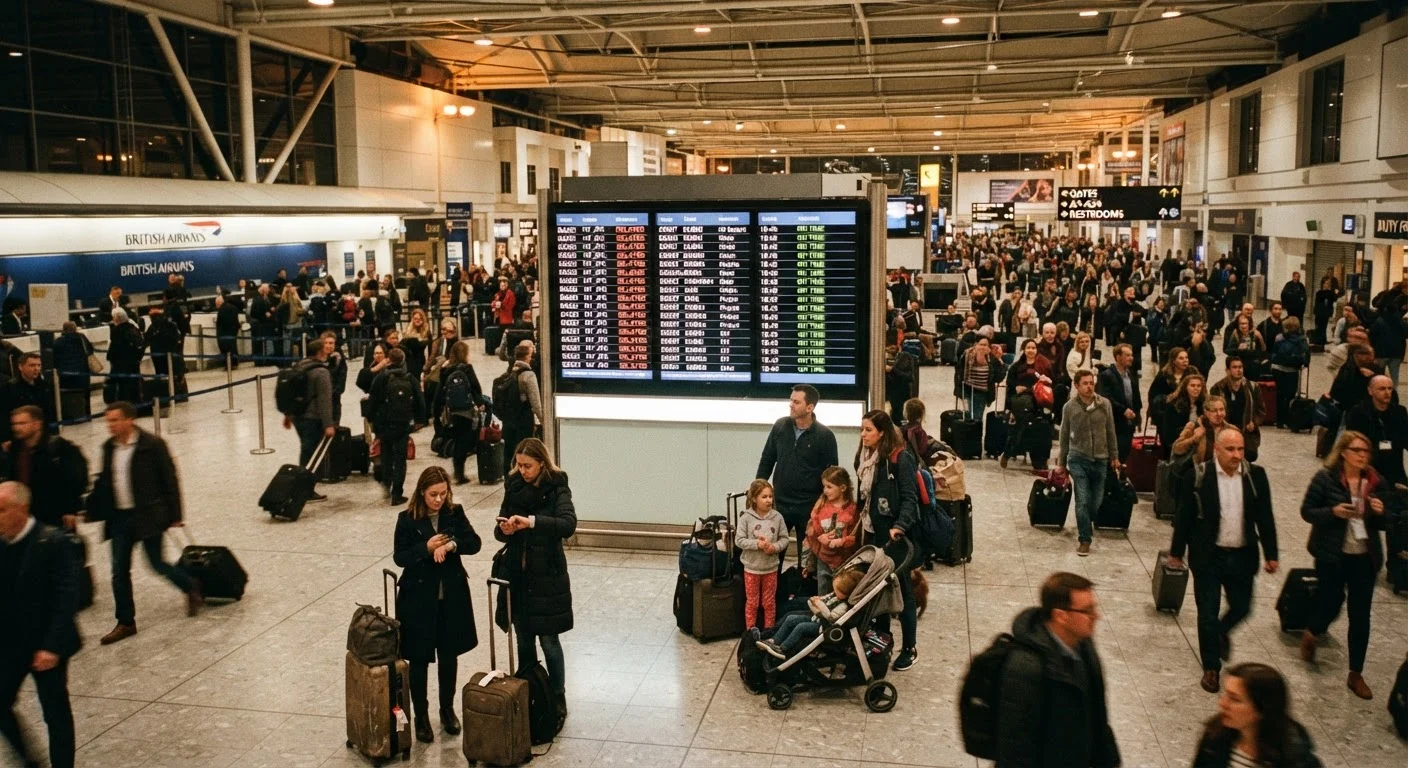
Photo: InsightsVault.com | Interesting Daily Reads editorial
Key Takeaways
- Booking at the wrong time - too early or too late - consistently produces higher fares than the middle window.
- Searching with fixed dates before checking flexible alternatives locks in higher prices before you've explored options.
- Most travelers never consider split ticketing or nearby airports, leaving meaningful savings unclaimed.
- Ancillary fees added at checkout often erase the apparent savings from a low base fare.
The Gap Between What You Pay and What You Could Have Paid
Most people believe they overpay for flights because they were unlucky - wrong day, wrong week, prices just happened to spike. In reality, overpaying is almost always the result of repeatable habits: the same search patterns, the same booking windows, the same assumptions about how airline pricing works. Those habits are invisible precisely because they feel like normal behavior.
Airline pricing systems are dynamic and complex. Fares on a single route can vary by hundreds of dollars depending on timing, routing, and how you search. The travelers who consistently pay less aren't finding secret deals - they've simply stopped making the errors that inflate prices for everyone else. Understanding those errors is the first step toward paying closer to the fare floor rather than the ceiling.
For a broader look at the habits that separate chronic overpayers from consistent budget travelers, see what experienced budget travelers do differently.
Common Mistakes That Drive Up Flight Costs
The errors below aren't rare edge cases. They show up in the booking behavior of the majority of leisure travelers - and airlines price accordingly.
Booking too close to the departure date without a pressing reason.
Searching with rigid dates before checking whether flexibility could lower the price.
Buying the first fare that appears without comparing across search tools.
Overlooking total trip cost by focusing only on the base fare.
Booking round trips without checking whether two one-way tickets cost less.
Fees Can Erase a Low Base Fare
It's also worth remembering that the fare on screen is rarely the final price. Seat selection, checked baggage, and payment surcharges can add $50-$150 or more per round trip. Always compare total out-of-pocket costs, not headline fares. For a wider view on travel costs that sneak up on you, the hidden fee patterns worth knowing are a useful companion read.
Less Obvious Habits That Still Cost You
Beyond the headline mistakes, a few subtler patterns reliably inflate what travelers pay without them realizing it.
Searching only for direct routes. Nonstop convenience is worth something, but not always the $100-$300 premium airlines charge for it on popular routes. A one-stop itinerary through a hub can dramatically lower the fare, especially on transatlantic and transcontinental routes.
Ignoring nearby departure airports. Travelers in large metro areas often have two or three airports within a reasonable drive. Fares out of secondary airports can run meaningfully lower on the same dates, particularly on routes served by carriers that concentrate operations there.
Avoiding unconventional routing strategies. Split ticketing - booking two separate one-way tickets rather than a round trip - and positioning flights are techniques some travelers use to pay less on specific itineraries. They come with real trade-offs and require careful planning, but they're worth understanding. How these strategies work and what risks to weigh is a practical starting point.
Treating budget assumptions as facts. Many travelers operate on untested beliefs - that booking on a specific day of the week always delivers the lowest fares, or that flying on holidays is always expensive. These generalizations don't hold consistently and can cause you to stop searching before you've found a genuinely lower price. The travel budget myths most people still believe covers this in more depth.
1-3 months
Domestic booking sweet spot for competitive fares
Industry fare analysis consistently places the lowest average domestic fares in the one-to-three-month pre-departure window, though this varies by route and season.
Up to 30%
Potential fare difference by departure day on the same route
Studies of airline pricing patterns have found fare variation of up to 30% on identical routes depending on which day of the week the outbound flight departs.
The content provided on our blog site traverses numerous categories, offering readers valuable and practical information. Readers can use the editorial team’s research and data to gain more insights into their topics of interest. However, they are requested not to treat the articles as conclusive. The website team cannot be held responsible for differences in data or inaccuracies found across other platforms. Please also note that the site might also miss out on various schemes and offers available that the readers may find more beneficial than the ones we cover.