
Telematics Car Insurance: How Black-Box Policies Work and Who Benefits

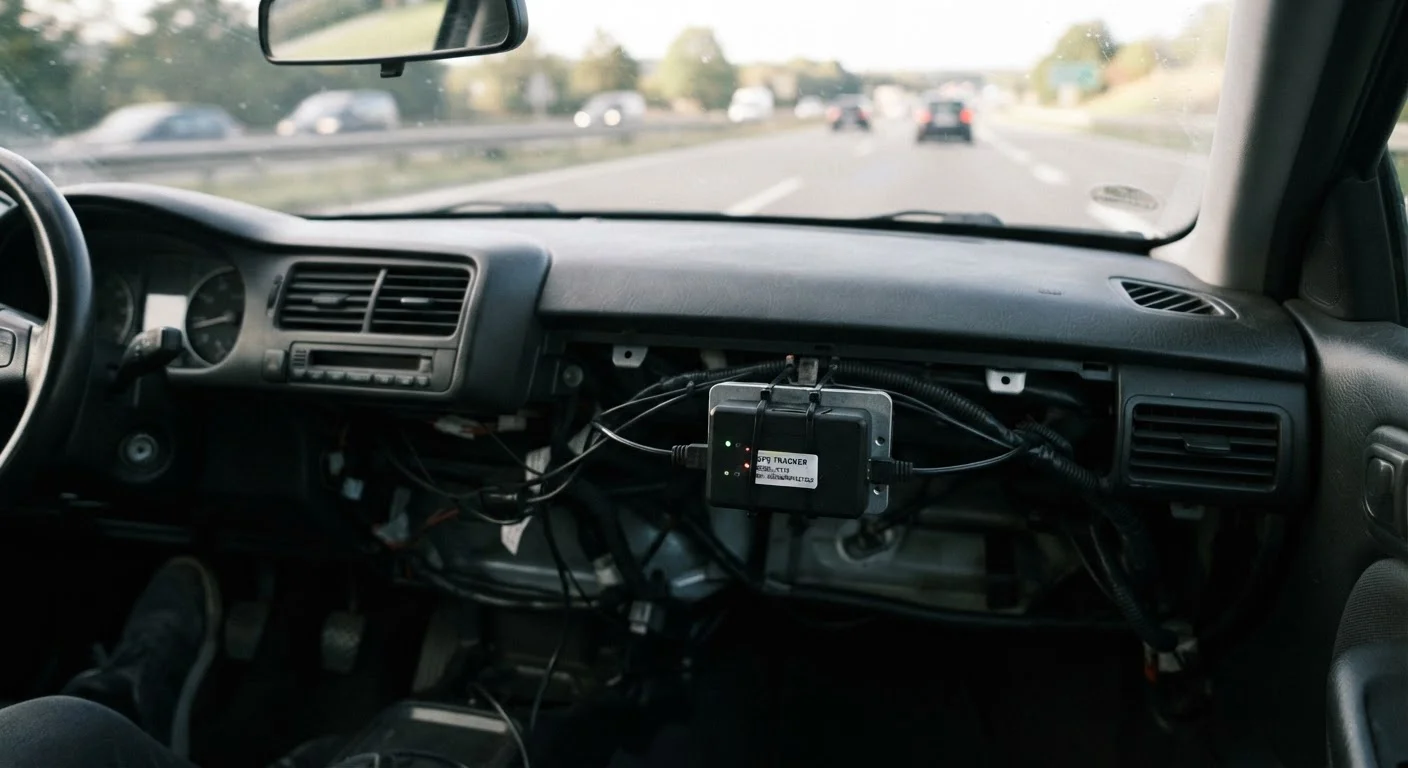
Photo: InsightsVault.com | Interesting Daily Reads editorial
Key Takeaways
- Telematics policies use a device or app to monitor your driving and set premiums accordingly.
- Young or newly licensed drivers often see the largest savings from black-box insurance.
- Privacy trade-offs and driving restrictions are real considerations before signing up.
- Safe driving habits measured over time can translate into lower renewal premiums.
- Telematics data may be shared with third parties or used in the event of a claim.
Premiums reflect your actual driving, not averages
Rather than pricing you against group statistics, telematics ties your rate to documented behaviour - rewarding genuinely careful drivers with costs that standard policies would never offer them.
Significant savings potential for young drivers
Newly licensed and under-25 drivers typically face the steepest standard premiums; telematics gives them an evidence-based path to lower rates that can amount to hundreds of dollars annually.
Encourages measurably safer driving habits
Being scored regularly tends to reduce harsh braking and speeding, which lowers accident risk independently of any financial incentive - a secondary benefit with real safety value.
Low-mileage drivers are directly rewarded
Most telematics policies factor in annual mileage; drivers who use their cars sparingly can see this reflected in premiums more accurately than mileage estimates on standard applications.
Builds an insurable driving record from scratch
For drivers with little or no history, telematics creates a documented record that can support lower renewal premiums and smoother transitions to standard policies over time.
Detailed location and journey data is collected
Insurers record routes, times, and driving events in granular detail. Data retention periods and third-party sharing practices vary significantly between providers, so privacy terms deserve close reading.
Night driving may trigger penalties or higher rates
Many policies score night-time driving lower or apply curfew surcharges, reflecting higher accident rates during those hours. Drivers with irregular schedules may find these restrictions costly.
Shared vehicle scoring can be unpredictable
When multiple drivers use one monitored vehicle, the primary policyholder's score may be affected by other drivers' habits - a disadvantage if household members drive differently.
Data could be used against you in a claim
If you make a claim, the insurer may review telematics records for the period surrounding the incident. This can work in your favour, but it can also expose driving behaviour you may not want scrutinised.
Limited benefit for established, low-risk drivers
Drivers with a multi-year clean record already receive competitive standard premiums; the incremental savings from telematics may not justify the monitoring trade-offs for this group.
What Telematics Insurance Actually Is
Telematics car insurance - often called black-box insurance - uses technology to monitor how, when, and how far you drive. That data feeds into how your insurer prices your premium, replacing the broad statistical averages that standard policies rely on with information specific to your driving behaviour.
Most policies use one of three monitoring methods: a small plug-in or hardwired device fitted to your car, a smartphone app that uses your phone's sensors, or a combination of both. The device or app records data points such as speed, acceleration, braking force, cornering, and time of day. Insurers then assign a driving score - usually updated regularly - that influences what you pay at renewal, and sometimes during the policy term itself.
This matters because standard premiums rely heavily on group statistics. A 19-year-old driver pays high rates partly because young drivers as a group have higher claim rates - regardless of how carefully that individual drives. Telematics replaces the group average with your personal record. For more on the many variables that shape a standard quote, see everything that affects your car insurance quote.
The Advantages of Black-Box Policies
Premiums reflect your actual driving, not averages
Rather than pricing you against group statistics, telematics ties your rate to documented behaviour - rewarding genuinely careful drivers with costs that standard policies would never offer them.
Significant savings potential for young drivers
Newly licensed and under-25 drivers typically face the steepest standard premiums; telematics gives them an evidence-based path to lower rates that can amount to hundreds of dollars annually.
Encourages measurably safer driving habits
Being scored regularly tends to reduce harsh braking and speeding, which lowers accident risk independently of any financial incentive - a secondary benefit with real safety value.
Low-mileage drivers are directly rewarded
Most telematics policies factor in annual mileage; drivers who use their cars sparingly can see this reflected in premiums more accurately than mileage estimates on standard applications.
Builds an insurable driving record from scratch
For drivers with little or no history, telematics creates a documented record that can support lower renewal premiums and smoother transitions to standard policies over time.
The most significant upside is premium savings for demonstrably safe drivers. Industry data consistently shows that young drivers - the group paying the highest standard premiums - can achieve meaningful discounts through telematics. Some insurers offer an initial discount just for agreeing to be monitored, with further reductions tied to ongoing scores.
There is also a behavioural benefit. Knowing your driving is being scored tends to encourage smoother, more consistent habits - lower speeds, earlier braking, avoiding late-night journeys when accident rates are higher. These habits reduce your crash risk independently of any premium saving. Car insurance costs over a lifetime of driving are substantial; habits built early compound positively over decades of premiums.
The Disadvantages Worth Knowing
Detailed location and journey data is collected
Insurers record routes, times, and driving events in granular detail. Data retention periods and third-party sharing practices vary significantly between providers, so privacy terms deserve close reading.
Night driving may trigger penalties or higher rates
Many policies score night-time driving lower or apply curfew surcharges, reflecting higher accident rates during those hours. Drivers with irregular schedules may find these restrictions costly.
Shared vehicle scoring can be unpredictable
When multiple drivers use one monitored vehicle, the primary policyholder's score may be affected by other drivers' habits - a disadvantage if household members drive differently.
Data could be used against you in a claim
If you make a claim, the insurer may review telematics records for the period surrounding the incident. This can work in your favour, but it can also expose driving behaviour you may not want scrutinised.
Limited benefit for established, low-risk drivers
Drivers with a multi-year clean record already receive competitive standard premiums; the incremental savings from telematics may not justify the monitoring trade-offs for this group.
The trade-offs are real. Privacy is the most frequently cited concern: your insurer collects a detailed record of your journeys, including routes, times, and locations. Policies vary in how long that data is retained, who it can be shared with, and whether it could be used against you if you make a claim. Reading the policy's data terms carefully before signing is essential, not optional.
Some policies include curfew restrictions - charging higher rates or penalising scores for driving between certain hours, typically late at night. If your work schedule, social life, or caring responsibilities require night driving regularly, a telematics policy could cost you more than a standard one. Always verify whether the policy imposes time-of-day penalties and model your typical week against those rules before committing.
For a broader look at how to compare policies on equal terms, use this checklist before switching insurers.
Who Tends to Benefit Most - and Who Doesn't
~30%
Potential premium reduction for young telematics drivers
Industry estimates suggest young drivers using telematics can reduce premiums by roughly 20-30% compared to equivalent standard policies, though actual savings vary by insurer and driving score.
3 in 4
Telematics policyholders who report changed driving habits
Surveys of telematics users in the US and UK consistently find that a majority report modifying at least one driving behaviour - such as speed or braking - after seeing their scores.
The clearest beneficiaries are young drivers, newly licensed adults, and those returning to driving after a gap. These groups face premiums set against unfavourable statistical profiles, and telematics gives them a mechanism to prove individual competence. Low-mileage drivers also benefit: most telematics policies reward those who drive fewer miles, which correlates with lower exposure to risk.
Drivers who regularly work late shifts, commute at peak accident times, or frequently make long motorway journeys may find their scores are harder to maintain. Similarly, drivers who share a vehicle - where multiple people's habits feed into one policy's score - should check whether the insurer monitors the vehicle, the primary policyholder specifically, or all named drivers. See also the distinction between named driver and main driver roles, which becomes more complex under a monitored policy.
Experienced drivers with a clean multi-year record may not gain much from telematics - their standard premiums are already shaped by that history. The calculation shifts when switching to a new insurer or a new vehicle class, where that history doesn't carry over fully. Understanding what level of cover fits your situation is a useful parallel exercise when evaluating any policy type.
This article is for general informational purposes only and does not constitute personalised insurance, financial, or legal advice. Insurance terms, coverage, and pricing vary by provider and individual circumstances. Always read your policy documents in full and consult a licensed insurance professional for guidance specific to your situation.
The content provided on our blog site traverses numerous categories, offering readers valuable and practical information. Readers can use the editorial team’s research and data to gain more insights into their topics of interest. However, they are requested not to treat the articles as conclusive. The website team cannot be held responsible for differences in data or inaccuracies found across other platforms. Please also note that the site might also miss out on various schemes and offers available that the readers may find more beneficial than the ones we cover.