
Road Tax, Registration, and Levies: A Guide to Government Vehicle Charges

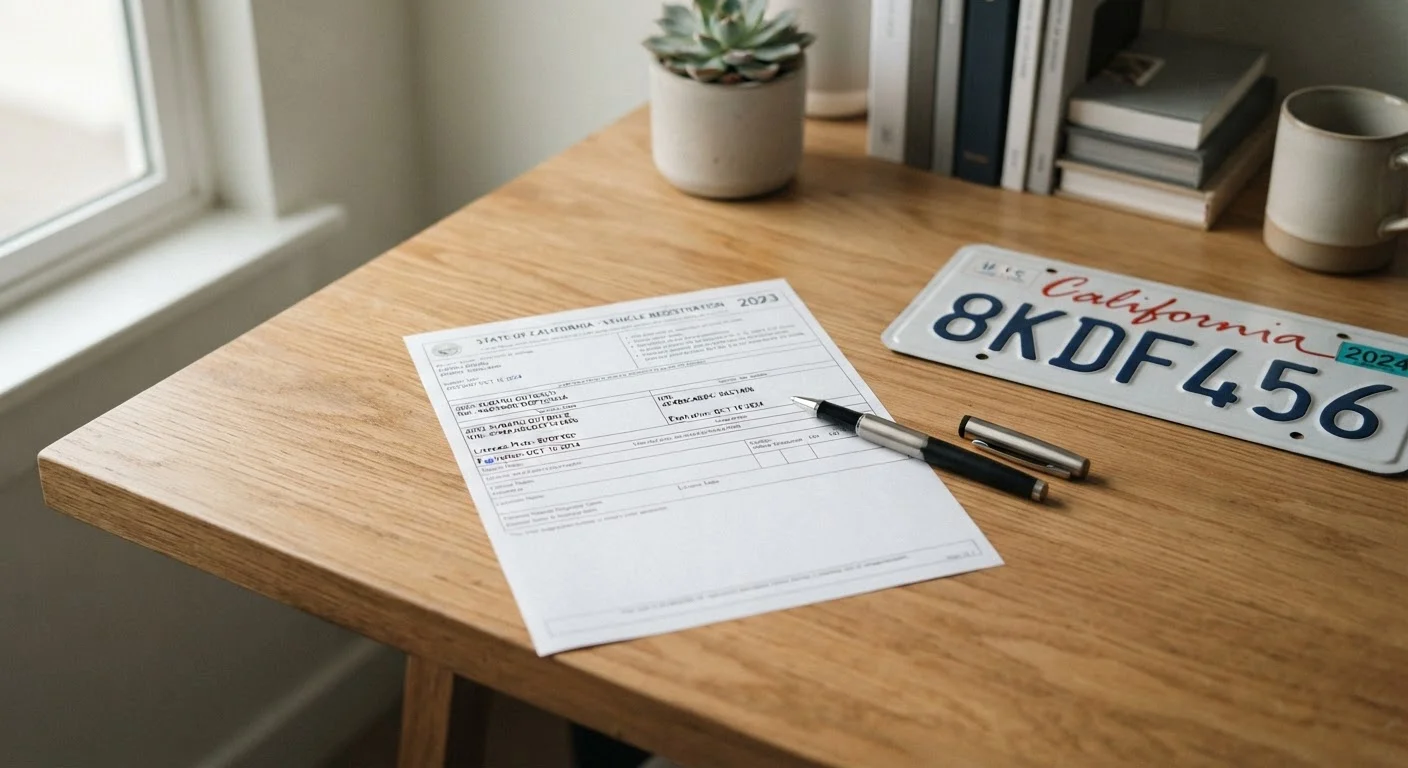
Photo: InsightsVault.com | Interesting Daily Reads editorial
What Government Vehicle Charges Actually Cover
When you keep a car legally on the road in the United States, you're paying several distinct government-imposed fees - not one catch-all charge. These costs fund public roads, transportation infrastructure, environmental programs, and state administrative systems. Understanding what each fee is for helps you anticipate it, dispute errors, and plan your annual budget more accurately.
These charges fall into a few broad categories: registration and titling fees, property taxes on vehicles (in states that levy them), emissions and inspection fees, and - less commonly - mileage-based user fees in pilot states. They are separate from insurance premiums and fuel taxes, though all feed into the full annual cost of owning a car.
Registration Fees: How States Calculate What You Owe
Every state requires annual or biennial vehicle registration, but the fee formula varies considerably. States use one or more of the following factors:
- Vehicle age: Newer vehicles typically pay more because fees are often tied to original MSRP or depreciated value.
- Vehicle weight or class: Heavier vehicles pay higher fees in many states, reflecting their greater impact on road surfaces.
- Engine displacement or horsepower: Less common, but used in a handful of states as a proxy for road use intensity.
- Flat fee: Some states charge a fixed dollar amount regardless of the vehicle, making costs more predictable.
State DMV websites publish their fee schedules, and many offer online calculators. If your registration cost surprises you, check whether your state includes any optional add-ons - like specialty plate fees or donations to state funds - that inflate the total. These are often opt-out, not opt-in.
The recurring costs dealers rarely highlight - including registration - deserve a spot in your ownership budget from day one.
Vehicle Property Taxes, Emissions Fees, and Inspection Costs
About half of U.S. states levy an annual personal property tax on vehicles, sometimes called an excise tax or ad valorem tax. This is a separate charge from registration and is typically calculated as a percentage of the vehicle's assessed value, which declines as the car ages. States such as Virginia, Missouri, and North Carolina are well-known for this levy. If you move between states, this tax can either appear or disappear from your annual costs.
Emissions and safety inspection fees apply in many metro areas and states with air quality compliance requirements under the federal Clean Air Act. Fees for the test itself are usually modest - commonly $10-$50 - but failing an emissions test and paying for repairs to pass is a hidden downstream cost worth factoring in, particularly for older vehicles.
Taken together, these charges can add meaningfully to your yearly outlay. Running a full annual car ownership cost audit is the most reliable way to ensure none of these line items catch you off guard.
This article provides general information about government vehicle charges in the U.S. Fee structures vary by state and locality. Verify current rates with your state's DMV or relevant agency before budgeting.
The content provided on our blog site traverses numerous categories, offering readers valuable and practical information. Readers can use the editorial team’s research and data to gain more insights into their topics of interest. However, they are requested not to treat the articles as conclusive. The website team cannot be held responsible for differences in data or inaccuracies found across other platforms. Please also note that the site might also miss out on various schemes and offers available that the readers may find more beneficial than the ones we cover.