
The True Annual Cost of Owning a Car

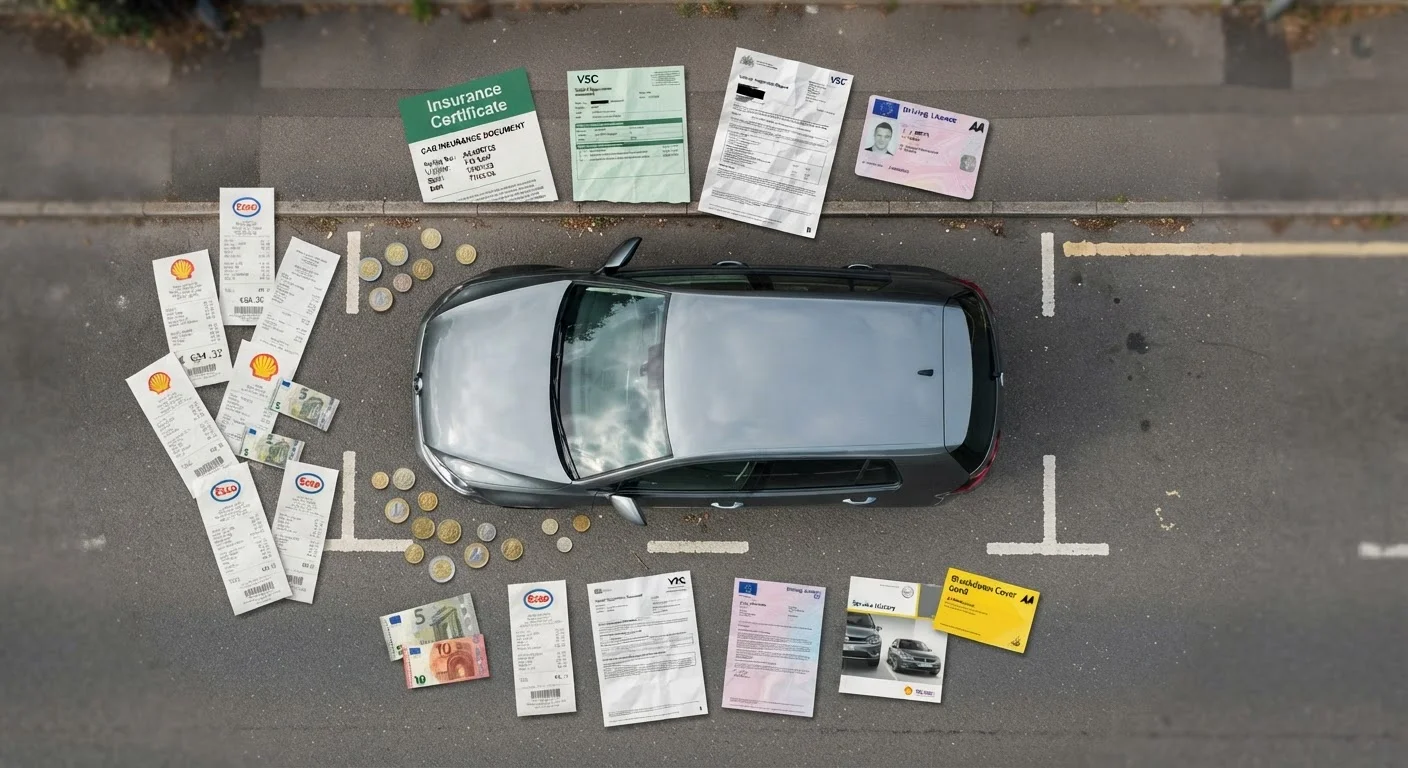
Photo: InsightsVault.com | Interesting Daily Reads editorial
Key Takeaways
- AAA estimates the average annual cost of car ownership in the US exceeds $10,000 when all expenses are included.
- Depreciation alone typically accounts for 40-50% of a vehicle's total ownership cost in the first five years.
- Insurance, fuel, and maintenance are recurring costs that vary significantly by vehicle type, location, and driving habits.
- Financing interest can add thousands of dollars to the real cost of a car over a loan's lifetime.
- Budgeting accurately requires tracking every cost category - not just the monthly loan payment.
Why the Purchase Price Is the Smallest Part
Most people focus on the sticker price or monthly payment when sizing up a car purchase. That's understandable - it's the number prominently displayed on the window and in the advertisement. But the purchase price is, in many cases, the smallest financial commitment you're making.
According to AAA's annual Your Driving Costs study, the average American driver spends well over $10,000 per year to own and operate a new vehicle when all costs are tallied. That figure includes depreciation, fuel, insurance, maintenance, tires, registration fees, and loan finance charges. Spread across 12 months, it often exceeds the loan payment itself.
Costs your dealer rarely mentions - registration renewals, tire replacement, roadside assistance - routinely catch new owners off guard. Understanding the full picture before you commit is the most effective form of financial protection available to a car buyer.
$10,000+
Average annual cost to own and operate a new vehicle
According to AAA's Your Driving Costs study, inclusive of depreciation, fuel, insurance, maintenance, and fees.
~20%
Typical first-year depreciation on a new car
Industry valuation data consistently shows new vehicles lose roughly one-fifth of their value within the first 12 months.
$5,600
Interest paid on a typical 60-month auto loan
Estimated on a $30,000 loan at 7% APR over five years - nearly 19% added to the vehicle's purchase price.
Depreciation: The Largest Invisible Cost
Depreciation is what a vehicle loses in market value over time, and it is the single biggest cost category for most owners - yet it never appears on a monthly bill. A new car typically loses around 20% of its value in the first year alone, according to industry valuation data, and roughly 50% within five years.
On a $35,000 vehicle, that first-year loss can approach $7,000 - more than many owners spend on fuel and insurance combined. Because depreciation is not a cash outflow, it's easy to ignore. But it represents real wealth eroded: money you paid that you will not recover when you sell or trade in.
Vehicles with historically strong resale values - certain trucks, SUVs, and hybrids - tend to depreciate more slowly, reducing this hidden cost. Buying a vehicle that is two to four years old lets you avoid the steepest part of the depreciation curve while still getting a reliable, modern car. Reading the true cost of a purchase covers how to factor residual value into any vehicle decision.
Before buying new, price out a certified pre-owned model that is two to three years old. You sidestep the sharpest depreciation drop while often retaining remaining factory warranty coverage.
Set up a dedicated savings sub-account and deposit a fixed amount monthly for tires, brakes, and registration. Treating these as monthly costs - even when the bill arrives annually - prevents budget shocks.
Insurance, Fuel, and Registration
Auto insurance is a legally required ongoing expense in nearly every US state. Premiums vary widely based on the driver's record, location, vehicle model, and chosen coverage levels. A full-coverage policy on a mid-size sedan can range from roughly $1,500 to well over $3,000 annually depending on those factors. Managing fuel and insurance costs across a car's lifetime explains how these figures shift as the vehicle ages.
Fuel is highly variable. A driver covering 15,000 miles per year in a vehicle averaging 28 mpg, at a fuel price of $3.50 per gallon, will spend roughly $1,875 annually on gas. A less efficient SUV averaging 18 mpg under the same conditions costs closer to $2,917. Electric vehicle owners replace fuel costs with electricity costs, which are generally lower but not zero.
Registration and taxes are often overlooked. Annual registration fees vary by state from under $50 to several hundred dollars. Some states also levy annual property taxes on vehicles based on assessed value - a cost that can run into the hundreds of dollars for newer or higher-value cars.
Maintenance and Repairs
Scheduled maintenance - oil changes, tire rotations, brake inspections, fluid top-offs - is predictable if you follow the manufacturer's service schedule. For most passenger vehicles, routine servicing runs approximately $500-$1,000 per year, though luxury brands and European vehicles frequently cost more due to specialty parts and labor rates.
Unscheduled repairs are a different story. Tires alone represent a significant periodic expense: a set of four mid-range replacement tires typically costs $600-$1,000 installed. Brakes, batteries, belts, and suspension components add to the repair budget as a vehicle ages. Consumer expenditure data suggests drivers should budget at least $1,000-$1,500 annually for a vehicle with over 60,000 miles.
For a comprehensive breakdown of what to expect at each mileage milestone, see car ownership and repair costs: a complete financial overview. The Repairs & Maintenance hub also covers guidance on when a task is appropriate to DIY and when a qualified mechanic is the safer choice.
Financing Costs and Opportunity Cost
If you finance a vehicle, the interest paid over the loan term is a real, additional cost - not a fee for the car itself, but a fee for borrowing the money to buy it. On a $30,000 loan at 7% interest over 60 months, total interest paid approaches $5,600. At higher rates, or on longer loan terms, that figure climbs further.
The hidden financial weight of car financing details how balloon payments and early-exit fees can raise the true cost even further. Even buyers who pay cash bear an opportunity cost: money tied up in a depreciating asset is money not invested or earning interest elsewhere.
Long Loan Terms Can Mask Real Cost
Building a Complete Annual Picture
Adding up these categories gives a more honest view of what car ownership costs each year. A reasonable annual estimate for a financed mid-size sedan might look like this:
- Depreciation: $3,000-$4,500
- Loan interest: $900-$1,200
- Insurance: $1,500-$2,500
- Fuel: $1,500-$2,500
- Maintenance and tires: $800-$1,500
- Registration and fees: $100-$400
That range - roughly $7,800 to $12,600 per year - is a reasonable planning benchmark, though actual figures depend heavily on vehicle age, location, driving volume, and individual insurance profile.
Use the framework for building a realistic monthly car budget to convert these annual totals into a month-by-month plan, including irregular expenses like tires and registration that don't arrive on a predictable schedule. Running a yearly car ownership cost audit helps ensure nothing falls through the cracks.
This article provides general financial information for educational purposes only and does not constitute personalised financial or automotive advice. Costs vary significantly based on individual circumstances; consult a licensed financial adviser for guidance specific to your situation.
The content provided on our blog site traverses numerous categories, offering readers valuable and practical information. Readers can use the editorial team’s research and data to gain more insights into their topics of interest. However, they are requested not to treat the articles as conclusive. The website team cannot be held responsible for differences in data or inaccuracies found across other platforms. Please also note that the site might also miss out on various schemes and offers available that the readers may find more beneficial than the ones we cover.