
Dental Hygiene at Home: What Actually Prevents Expensive Chair Time

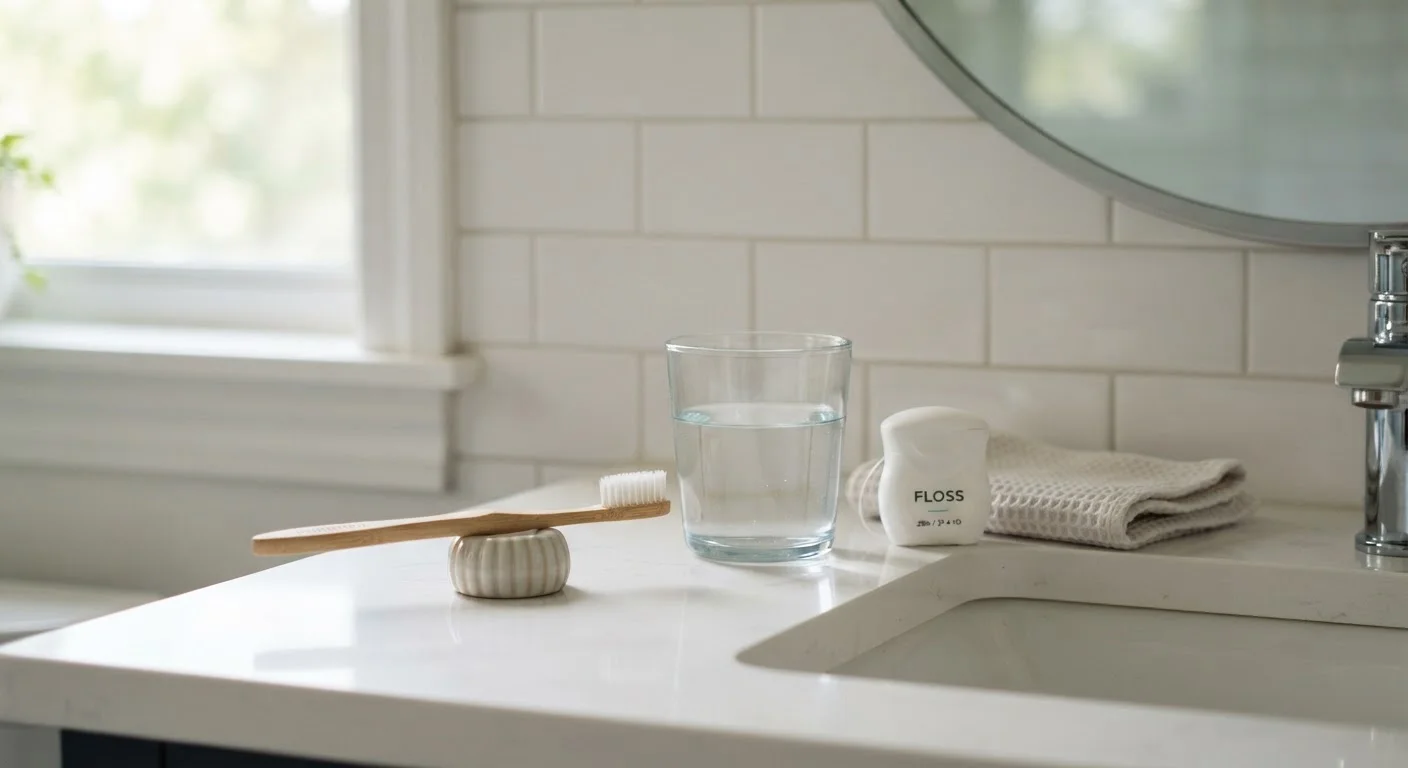
Photo: InsightsVault.com | Interesting Daily Reads editorial
Key Takeaways
- Brushing twice daily with fluoride toothpaste is the single most evidence-backed cavity-prevention habit.
- Daily flossing removes plaque from areas a toothbrush cannot reach, reducing gum disease risk.
- Skipping routine care can turn a $15 cleaning into a $1,000+ procedure over time.
- Diet choices - especially sugary drinks - significantly affect long-term enamel health.
- Consistent home habits reduce how often professional intervention becomes necessary.
Why Home Care Is Your Cheapest Dental Insurance
Dental work is among the most common sources of unexpected out-of-pocket expense for American households. A single root canal can run $700-$1,500; a crown can add another $1,000 or more on top. Yet the conditions that lead to these procedures - cavities and gum disease - are largely preventable through consistent daily habits that cost very little.
Think of home dental care the same way you'd think about any other form of preventive care: modest, regular investment now to avoid large, painful costs later. The research consistently supports this framing. According to the American Dental Association, most cavities and a significant share of gum disease cases are preventable with proper brushing, flossing, and diet management - tools that are accessible to virtually any budget.
This article is for general informational purposes only and is not a substitute for professional dental advice. Consult a licensed dentist for any concerns about your oral health.
The Practices That Actually Move the Needle
Not all dental hygiene advice carries equal weight. These evidence-backed practices are the ones with the strongest track record for preventing the conditions that drive up chair time.
Brush for a full two minutes, twice a day, using a fluoride toothpaste.
Floss once daily, reaching just below the gumline on each side of every tooth.
Limit how frequently you consume sugary or acidic foods and drinks throughout the day.
Replace your toothbrush or brush head every three to four months, or sooner if bristles are frayed.
Rinse with water after meals when you cannot brush.
Quick Habits You Can Start Today
You don't need to overhaul your entire routine at once. A few targeted changes can meaningfully reduce your cavity and gum disease risk starting immediately. These fit naturally into building a preventive care routine on a tight budget without requiring new spending.
90%
Of cavities are preventable with proper hygiene
The CDC and ADA both note that the vast majority of dental caries result from preventable bacterial and dietary factors.
$1,200+
Average cost of a single root canal and crown
According to general dental cost surveys, combined endodontic and restorative treatment frequently exceeds $1,200 out of pocket without insurance.
What Undermines Even Good Habits
Solid brushing and flossing can be partly offset by lifestyle factors that are easy to overlook. Frequent sipping of acidic or sugary beverages - including sports drinks and flavored sparkling water - keeps oral pH low, which accelerates enamel erosion even when you brush regularly. Dry mouth, whether caused by certain medications or breathing patterns, reduces saliva flow and removes a key natural defense against bacterial acid.
Tobacco use in any form dramatically increases the risk of gum disease and oral cancer, and impairs healing. These aren't just health warnings - they translate directly into more frequent and more expensive dental interventions. Addressing even one of these factors alongside your home routine compounds the protective effect considerably.
Saliva Is Your Built-In Defense
The parallel to pet oral health is instructive: just as dental disease in pets goes overlooked until it's expensive, the same quiet progression happens in people who defer care. The costs accumulate in the background until a procedure becomes unavoidable.
When Home Care Has Limits
Home hygiene is powerful, but it isn't a replacement for professional evaluation. Tartar (hardened plaque, also called calculus) cannot be removed by brushing or flossing - it requires a dental scaler. Left in place, it contributes to gum recession and bone loss. Most dental guidelines recommend a professional cleaning at least once a year, more often for those with a history of gum disease.
Professional Cleanings Are Not Optional
If cost is a barrier to professional visits, community health centers, dental school clinics, and state-funded programs often provide low- or no-cost cleanings. These are worth investigating before skipping care entirely - cutting daily costs doesn't have to mean cutting corners on your health.
The content provided on our blog site traverses numerous categories, offering readers valuable and practical information. Readers can use the editorial team’s research and data to gain more insights into their topics of interest. However, they are requested not to treat the articles as conclusive. The website team cannot be held responsible for differences in data or inaccuracies found across other platforms. Please also note that the site might also miss out on various schemes and offers available that the readers may find more beneficial than the ones we cover.