
Dental Disease in Pets: The Hidden Cost Most Owners Overlook

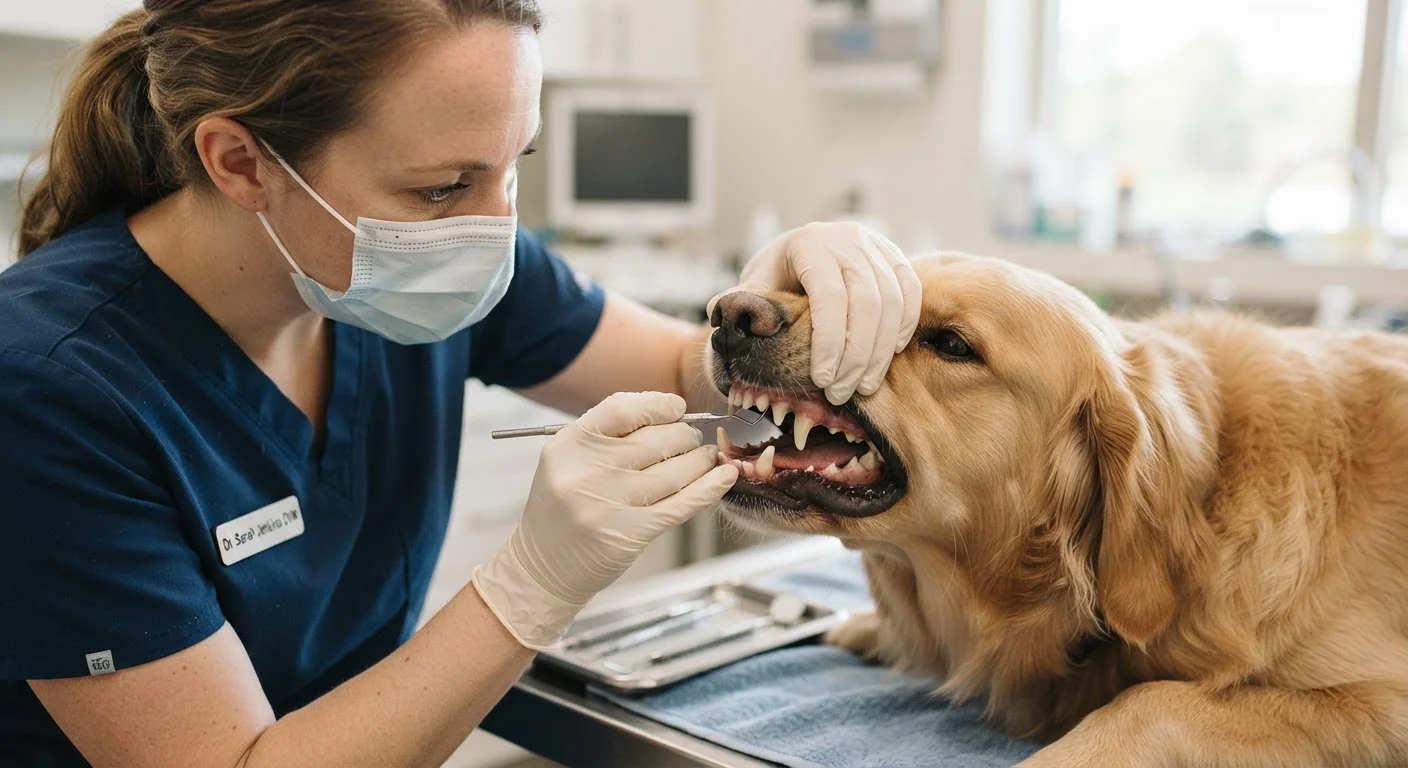
Photo: InsightsVault.com | Interesting Daily Reads editorial
Key Takeaways
- By age three, most dogs and cats show early signs of periodontal disease.
- A professional veterinary dental cleaning typically costs $300-$700 under general anesthesia.
- Daily tooth brushing is the single most effective home prevention tool available.
- Untreated dental disease can spread bacteria to the heart, kidneys, and liver.
- Low-cost dental clinics and veterinary schools sometimes offer reduced-price cleanings.
- Pet insurance plans vary widely on dental coverage - read policy exclusions carefully.
Why Dental Disease Is a Budget Problem, Not Just a Health Problem
Dental disease is consistently ranked among the most common conditions diagnosed in adult dogs and cats by veterinary organizations - and it's also one of the most financially underestimated by owners. The problem isn't that people don't care about their pet's teeth; it's that the disease is largely invisible until it's already expensive to treat.
Plaque forms on teeth daily. Without removal, it mineralizes into tartar within days and creates an environment where bacteria thrive below the gumline. By the time a pet shows obvious symptoms - reluctance to eat, facial swelling, pronounced bad breath - the disease has typically progressed to a stage requiring surgical intervention, not just a routine cleaning.
Owners who skip annual dental exams often face a compounding cost problem: a $400 preventive cleaning becomes a $1,500 or higher extraction procedure. For budget-conscious pet owners, understanding this progression isn't abstract - it's directly relevant to planning veterinary expenses. See our breakdown of preventive versus emergency care costs to understand the broader financial pattern.
80%
Dogs showing dental disease signs by age 3
The American Veterinary Medical Association notes that periodontal disease is one of the most prevalent conditions diagnosed in adult dogs and cats.
$300-$700
Typical cost of a routine pet dental cleaning
This range reflects general private practice pricing in the U.S. and does not include extractions, which can add several hundred dollars per procedure.
4x
Estimated cost multiplier when disease is left untreated
Early-stage cleanings often cost a fraction of what advanced surgical dental procedures require, underscoring the financial value of annual exams.
The Real Cost Structure of Pet Dental Care
Veterinary dental procedures almost always require general anesthesia, which is a necessary safety measure for thorough cleaning and examination. This is also the primary driver of cost. A routine professional dental cleaning - scaling, polishing, and a full oral exam - typically runs $300 to $700 at a private practice. That figure rises steeply when extractions are required: a single surgical extraction can add $100 to $300 or more to the bill, and some advanced cases involve removing multiple teeth.
Beyond the procedure itself, pre-anesthetic bloodwork (usually $80-$150) is standard at most practices, especially for older animals. Some owners are surprised by these line items, but they exist to protect the pet - not pad the bill.
The financial argument for early intervention is straightforward: catching disease at Grade 1 or 2 means a cleaning. Waiting until Grade 3 or 4 means surgery. The guide to stretching your pet care budget covers where it's reasonable to economize and where cutting corners tends to backfire - dental care lands firmly in the latter category.
Practical Ways to Lower Your Pet's Dental Costs
Prevention is always cheaper than treatment, and the most cost-effective tool available to owners is a toothbrush. Daily brushing with a pet-formulated toothpaste (never human toothpaste, which contains ingredients harmful to animals) is the single most evidence-supported home intervention for slowing plaque accumulation. Many pets resist initially - gradual introduction using a finger brush and positive reinforcement typically improves compliance over a few weeks.
Beyond brushing, the Veterinary Oral Health Council (VOHC) maintains a publicly accessible list of dental products that have met specific efficacy standards in clinical trials - including dental chews, water additives, and certain diets. These aren't replacements for brushing or cleanings, but they can be useful supplements. Check the VOHC website directly for current accepted products.
For lower-cost professional cleanings, consider:
- Veterinary school teaching clinics - accredited programs often offer supervised dental procedures at reduced rates.
- Low-cost dental events - some humane societies and animal welfare groups periodically host discounted dental days; availability is regional and varies by year.
- Pet insurance with dental illness coverage - policies vary significantly, so compare exclusion language carefully before assuming dental disease is covered.
The free and community-based pet resources hub is a useful starting point for locating programs in your area. And for building the consistent home habits that make dental care less of an annual financial shock, the smart habits guide for predictable pet care costs provides a practical framework.
Start Home Dental Care Early
When Dental Disease Becomes a Systemic Emergency
Periodontal disease doesn't stay confined to the mouth. The chronic bacterial burden from advanced gum disease has been associated in veterinary literature with changes in heart, kidney, and liver function. While causation is still an active area of research, the established connection between oral bacteria and systemic inflammation is why most veterinarians treat dental health as a component of overall wellness - not a cosmetic concern.
Pets with advanced dental disease may also stop eating adequately due to oral pain, leading to weight loss and secondary nutritional deficiencies. Animals instinctively suppress signs of pain, so by the time behavioral changes are obvious, the underlying condition is often severe.
Owners managing pets with existing chronic health conditions should discuss dental care timing carefully with their veterinarian, since anesthesia carries elevated risk in animals with compromised organ function. This intersection of dental and systemic disease is one reason why managing a chronically ill pet's costs requires a more coordinated approach to care planning.
This article provides general educational information about pet dental health and is not a substitute for professional veterinary advice. Always consult a licensed veterinarian for guidance specific to your pet's condition and needs.
Frequently Asked Questions
The content provided on our blog site traverses numerous categories, offering readers valuable and practical information. Readers can use the editorial team’s research and data to gain more insights into their topics of interest. However, they are requested not to treat the articles as conclusive. The website team cannot be held responsible for differences in data or inaccuracies found across other platforms. Please also note that the site might also miss out on various schemes and offers available that the readers may find more beneficial than the ones we cover.