
Why Preventive Vet Care Is Cheaper Than Emergency Care

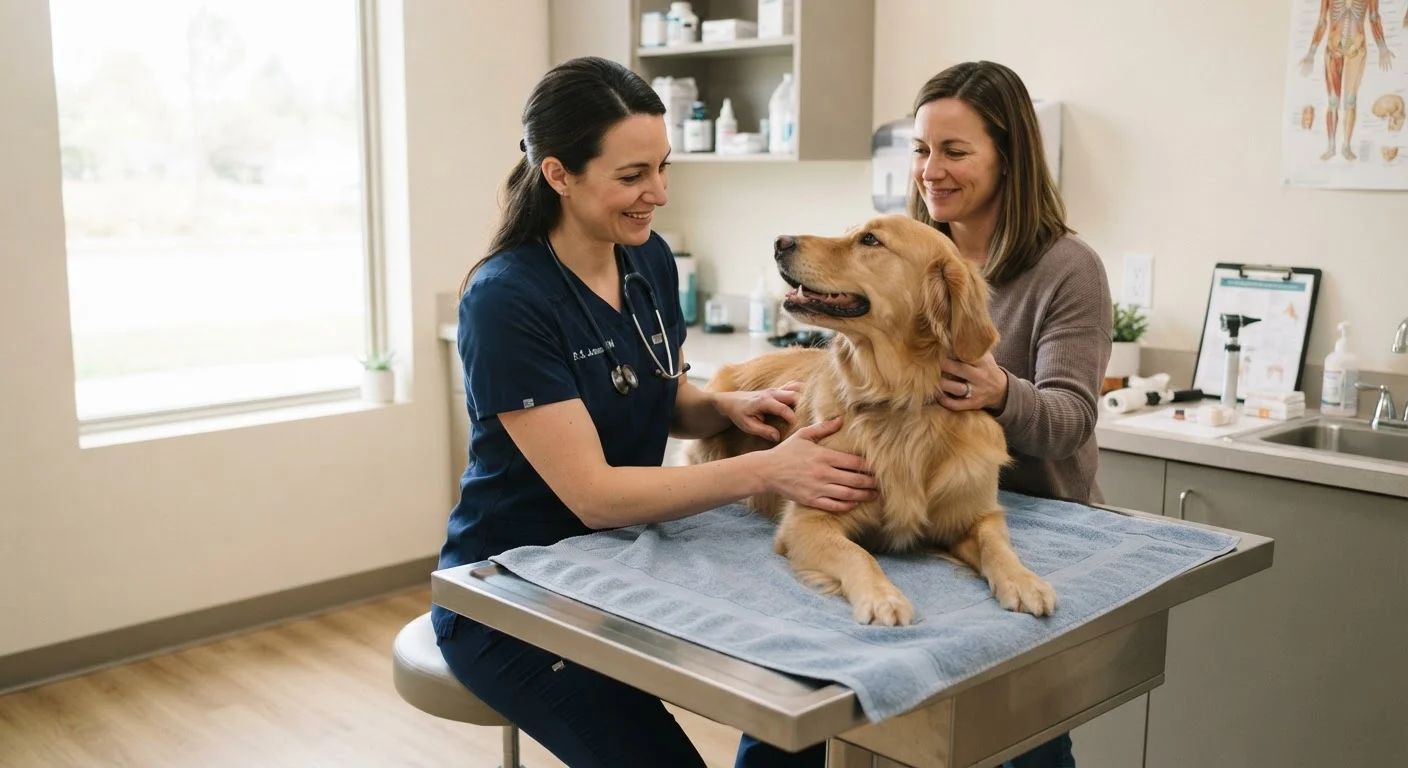
Photo: InsightsVault.com | Interesting Daily Reads editorial
Key Takeaways
- A routine annual wellness exam typically costs a fraction of what a single emergency visit runs.
- Many serious conditions - dental disease, kidney disease, heartworm - are far cheaper to prevent or catch early than to treat late.
- Skipping preventive care rarely saves money; it usually defers costs while allowing them to grow.
- Low-cost options like community clinics and veterinary teaching hospitals can make preventive care accessible on a tight budget.
- Consistent parasite prevention is one of the highest-return investments in pet ownership.
The Core Financial Logic: Prevention vs. Reaction
The math behind preventive pet care is straightforward: intervening before a condition develops or escalates costs less than treating it once it has. This isn't a marketing claim - it reflects how disease progression works and how veterinary pricing scales with complexity.
A routine wellness exam might identify early-stage kidney disease through a basic bloodwork panel. Caught early, management often involves a dietary change and periodic monitoring - costs that are predictable and modest. Left undetected, the same disease can progress to acute kidney failure requiring IV fluids, hospitalization, and specialist involvement. The financial gap between those two scenarios can be thousands of dollars.
The same logic applies to dental disease in pets, which is consistently one of the most underestimated pet ownership costs. Annual or biannual professional cleanings, combined with routine home brushing, reduce the likelihood of extractions, oral surgery, and secondary organ damage from chronic infection. For a more complete look at why skipping routine vet visits tends to cost more, the numbers make a compelling case on their own.
$500-$2,000+
Typical veterinary emergency visit cost
Emergency vet visits, especially after hours, routinely fall in this range depending on diagnosis and treatment required, according to industry veterinary pricing surveys.
$50-$250
Typical routine wellness exam cost
Wellness exam pricing varies by region and clinic type; this range reflects common fee structures reported by veterinary pricing resources in the U.S.
$1,000-$1,500
Average heartworm treatment cost
The American Heartworm Society notes treatment involves multiple steps, restricted activity, and monitoring - far exceeding the cost of monthly prevention.
80%
Dogs showing dental disease by age 3
The American Veterinary Medical Association has noted dental disease is among the most prevalent conditions in adult dogs, often visible by early adulthood.
Where Preventive Dollars Go Furthest
Not all preventive spending carries equal return. Some interventions have unusually high value because the conditions they prevent are both common and expensive to treat.
Heartworm Prevention
Monthly heartworm preventatives typically cost $6 to $18 per month depending on the pet's weight and the product type. Treatment for an established heartworm infection, by contrast, commonly runs $1,000 to $1,500 and involves a multi-month protocol that restricts the dog's activity significantly. Prevention wins by a wide margin - in cost and in animal welfare.
Core Vaccinations
Vaccines for diseases like parvovirus, distemper, and rabies are relatively inexpensive and widely available at community clinics. Parvo treatment, when a dog does contract it, involves hospitalization, IV fluids, and supportive care that can easily cost $1,500 to $3,000 - with no guarantee of survival. The vaccine costs a few dollars at a low-cost clinic.
Annual Bloodwork
Baseline bloodwork panels allow vets to track changes in organ function over time. This is particularly valuable in middle-aged and senior pets, where early detection of thyroid disease, diabetes, or organ dysfunction can allow for lower-cost management rather than emergency intervention. See routine care costs by pet type for a breakdown of typical annual expenses across species.
Make Annual Bloodwork a Habit Early
Accessing Preventive Care Without Full-Price Vet Bills
Budget constraints are real, and preventive care only helps if it's actually accessible. Several options exist for keeping costs manageable without skipping care entirely.
- Veterinary teaching hospitals - Accredited vet school clinics provide supervised care, often at significantly reduced rates. Quality is monitored closely. Learn more about how veterinary teaching hospitals work.
- Community vaccine and wellness clinics - Many humane societies, pet supply stores, and nonprofit organizations host periodic low-cost vaccine and basic wellness events. Core vaccines can often be obtained for $10 to $25 per shot.
- Preventive care planning - Budgeting for annual care in advance - even $20 to $40 per month set aside - makes the annual wellness visit a planned expense rather than a financial shock.
For a practical overview of habits and programs that keep costs down year-round, see preventive pet care on a tight budget.
Frequently Asked Questions
The content provided on our blog site traverses numerous categories, offering readers valuable and practical information. Readers can use the editorial team’s research and data to gain more insights into their topics of interest. However, they are requested not to treat the articles as conclusive. The website team cannot be held responsible for differences in data or inaccuracies found across other platforms. Please also note that the site might also miss out on various schemes and offers available that the readers may find more beneficial than the ones we cover.