
Stretching Your Pet Care Budget Without Cutting Corners on Health

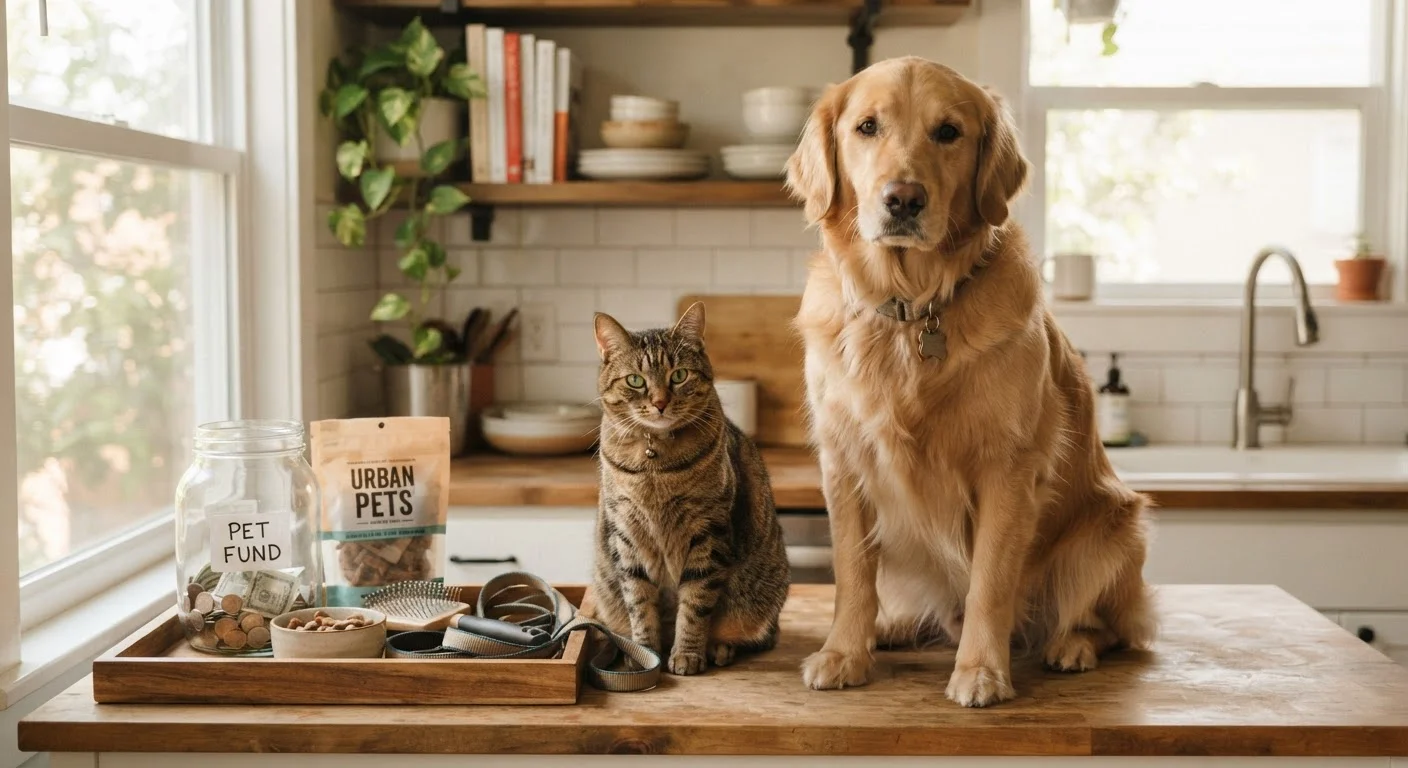
Photo: InsightsVault.com | Interesting Daily Reads editorial
Key Takeaways
- Routine preventive care typically costs far less than treating conditions that go undetected.
- Accessories, toys, and grooming are the categories with the most legitimate savings room.
- Skipping wellness exams or dental care often leads to significantly higher bills later.
- Community clinics, veterinary schools, and telehealth can reduce costs without reducing quality.
- A dedicated pet savings fund or insurance plan smooths out the financial impact of unexpected care.
- Annual expense audits help identify subscriptions and habits that no longer earn their cost.
The Core Principle: Spend Less Where It Doesn't Affect Health
Stretching a pet care budget isn't about spending as little as possible across the board - it's about understanding which expenses are health-critical and which are largely discretionary. Most pet owners have genuine room to cut in one category while holding firm in another, and recognizing that distinction is the foundation of any workable strategy.
A useful starting framework: divide your spending into two columns. The first covers what a veterinarian would call medically necessary - vaccinations, parasite prevention, dental care, wellness exams, and emergency treatment. The second covers lifestyle expenses - premium accessories, boutique food toppers, elaborate toys, and grooming upgrades. Savings should come primarily from the second column. If you're not sure where your current spending falls, the pet health budgeting guide offers a practical starting framework for estimating both routine and emergency costs.
When evaluating a new pet food, look for the AAFCO nutritional adequacy statement on the label rather than relying on marketing language like 'premium' or 'natural.' This confirms the food meets minimum nutritional standards for your pet's life stage.
Before agreeing to add-on services at a vet visit, ask which are recommended vs. required for your pet's current health status. A straightforward question creates space for the vet to prioritize.
Where You Can Reasonably Spend Less
Several spending categories offer meaningful savings without meaningful health trade-offs:
- Toys and enrichment: Dogs and cats respond to novelty and interaction, not price tags. Rotating existing toys, using cardboard boxes, or following the principles in this guide to homemade pet toys can keep animals mentally engaged at little to no cost.
- Grooming: Many routine grooming tasks - brushing, basic nail trims, ear cleaning - are learnable skills. At-home dog grooming can reduce frequency of professional visits without compromising coat or skin health. Know your limits, though - matted coats or anxious animals often warrant professional handling.
- Accessories and bedding: A $12 dog bed from a discount store functions identically to a $90 orthopedic version for most healthy, younger pets. Spending on durability over branding is sensible; spending on aesthetics alone rarely benefits the animal.
- Food: This one requires more care. Switching to a nutritionally complete food at a lower price point is not inherently harmful - but switching to a lower-quality formulation can be. Look for foods meeting AAFCO nutritional standards rather than chasing the lowest unit price.
Running an annual expense audit can surface subscriptions and recurring services you've stopped noticing on your bank statement.
Where Skimping Tends to Backfire
Certain cost reductions look appealing in the short term but frequently generate larger bills downstream:
- Wellness exams: Annual or semi-annual vet checkups are how early-stage conditions - heart murmurs, dental disease, lumps, weight changes - get caught before they require expensive intervention. Skipping routine vet visits is one of the most reliably costly false economies in pet ownership.
- Dental care: Periodontal disease is among the most common - and most preventable - conditions in cats and dogs. A professional dental cleaning under anesthesia can run several hundred to over a thousand dollars, depending on the practice and procedure. Regular at-home brushing and professional cleanings on schedule are far cheaper than treating advanced dental disease. See what owners need to know early about oral health costs.
- Parasite prevention: Missing months of flea, tick, or heartworm prevention to save on medication costs can result in infestations or infections that require substantially more expensive treatment.
- Chronic condition management: For pets already managing ongoing health issues, cutting back on prescribed medication or monitoring is high-risk. Managing a chronically ill pet on a budget requires a different strategy - one focused on lowering the cost of necessary care, not reducing the care itself.
Don't Cut Preventive Care to Save Now
For a broader look at which money-saving ideas hold up and which quietly backfire, this article on low-cost pet care myths is worth reviewing alongside this one.
Lower-Cost Access to Necessary Care
Reducing what you spend on essential care doesn't have to mean reducing the care itself. Several legitimate access points can lower costs without compromising quality:
- Veterinary school clinics: Accredited veterinary teaching hospitals often provide services at reduced rates. Care is provided by supervised students - oversight by licensed clinicians is standard practice at accredited institutions.
- Community low-cost clinics: Many shelters, humane societies, and nonprofit organizations operate periodic or permanent low-cost vaccination and wellness clinics. Availability varies by region; auditing your community's pet support landscape can help identify what's accessible near you.
- Pet telehealth: For non-urgent concerns - a minor behavioral question, a medication clarification, an assessment of whether a symptom warrants an in-person visit - virtual vet consultations can be meaningfully cheaper than a clinic visit. They have real limits, and understanding those limits is part of using the option responsibly.
- Free programs: A wider range of no-cost resources exists than most owners realize - from adoption support to senior pet assistance. Free pet resources by life stage covers the landscape comprehensively.
Building a Budget That Holds Up Over Time
Ad hoc spending decisions - reacting to each expense as it arrives - tend to result in both overspending and under-preparing. A more durable approach involves building structure around pet care costs before they occur.
Two primary options exist for handling unexpected veterinary expenses: pet insurance and a dedicated savings fund. Each has genuine trade-offs depending on your pet's age, species, and health history. How each approach works is worth understanding clearly before committing to either. This is general financial information - for decisions involving your specific situation, consider consulting a licensed financial adviser.
Beyond emergency planning, preventive habits are the highest-return investment in the budget. Consistent grooming schedules, portion control, and dental hygiene routines reduce the frequency and severity of unexpected expenses over time. And monitoring your pet's weight, coat condition, and behavior at home - as outlined in this at-home health monitoring guide - can catch early warning signs before they escalate to clinic-level costs.
The goal isn't a spartan pet ownership experience. It's a financially sustainable one - where your animal gets what they actually need, and your household budget stays intact to provide it consistently.
This article is for general informational purposes only and does not constitute veterinary or financial advice. Consult a licensed veterinarian for guidance specific to your pet's health needs.
The content provided on our blog site traverses numerous categories, offering readers valuable and practical information. Readers can use the editorial team’s research and data to gain more insights into their topics of interest. However, they are requested not to treat the articles as conclusive. The website team cannot be held responsible for differences in data or inaccuracies found across other platforms. Please also note that the site might also miss out on various schemes and offers available that the readers may find more beneficial than the ones we cover.