
At-Home Dog Grooming: What You Can Realistically Do Yourself

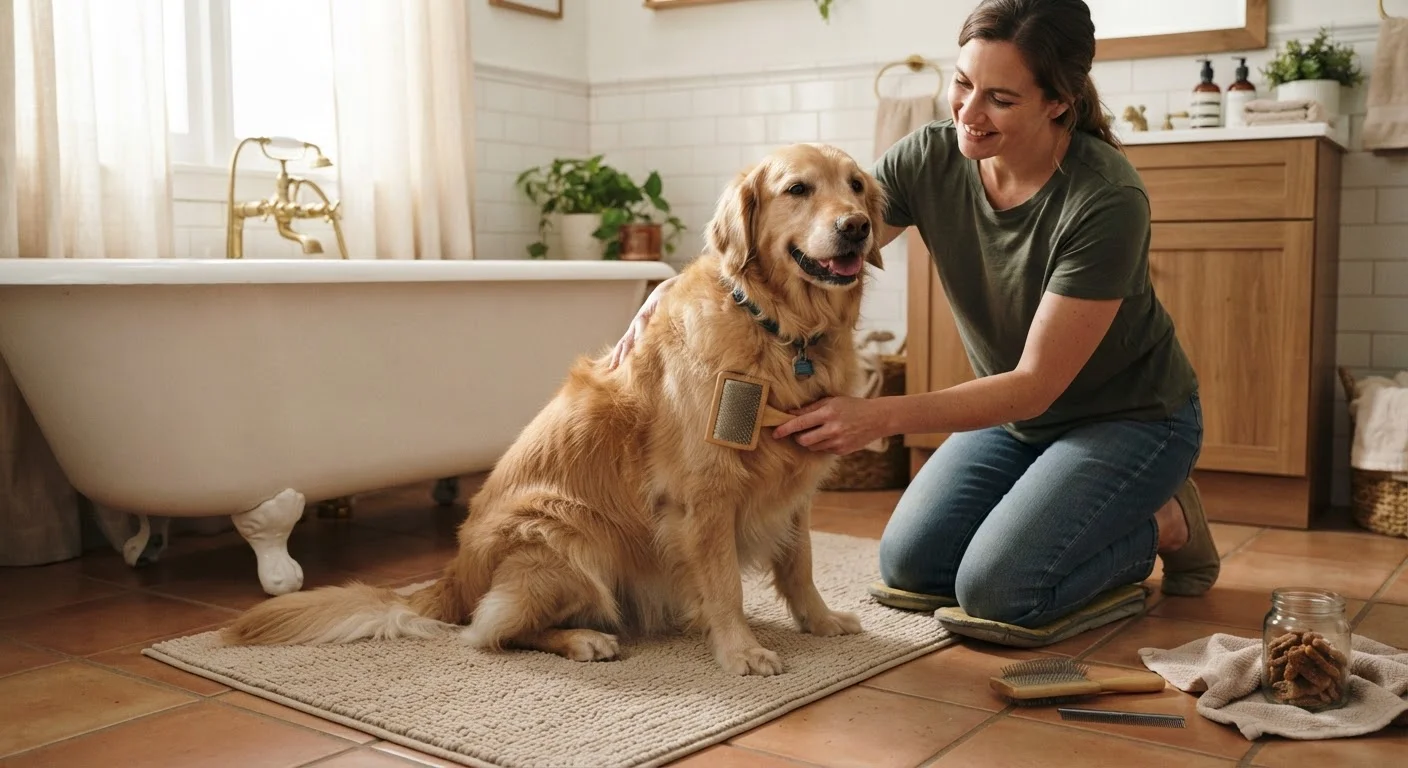
Photo: InsightsVault.com | Interesting Daily Reads editorial
Key Takeaways
- Brushing, ear cleaning, and basic nail trims are grooming tasks most dog owners can safely do at home.
- Professional groomers are still worth using for breed-specific haircuts, anal gland expression, and difficult nail trims.
- Starting slow and using proper tools reduces stress for both dog and owner.
- Regular at-home grooming helps you spot skin issues, lumps, or parasites earlier.
- DIY grooming can reduce professional grooming bills significantly over the course of a year.
Why At-Home Grooming Makes Financial Sense
Professional dog grooming in the US typically runs $50-$100 per session for a medium-sized dog, and many breeds need grooming every 6-8 weeks. That adds up to $300-$800 or more annually - before tips. Handling routine tasks yourself can cut that figure significantly, even if you still visit a groomer for the more technical work.
At-home grooming also has a less obvious benefit: it gives you regular, close contact with your dog's body. You're more likely to catch early signs of skin infections, lumps, ear problems, or parasites before they escalate into expensive veterinary issues. For more on that kind of proactive monitoring, see our at-home pet health monitoring guide.
The goal isn't to replace professional groomers entirely - it's to use them strategically while managing the routine maintenance yourself.
What you will need
What You Can Realistically Handle at Home
Most dogs, regardless of breed, have grooming needs that fall into a few categories. Here's an honest assessment of what's DIY-friendly and what isn't.
Brushing and Detangling
This is the easiest win. Regular brushing prevents mats, reduces shedding, and keeps coats healthy. Short-coated dogs may only need brushing weekly; double-coated or long-haired breeds often need it several times a week. Start with short sessions to build tolerance, especially in puppies.
Nail Trimming
Nail trims are doable at home but require care. Cutting into the quick - the blood vessel inside the nail - causes pain and bleeding. Light-colored nails make the quick visible; dark nails are harder to read. Trim small amounts frequently rather than large amounts infrequently. Keeping styptic powder on hand stops bleeding quickly if you nick the quick.
Ear Cleaning
Dogs with floppy ears or those prone to infections (Cocker Spaniels, Basset Hounds, Poodles) benefit from regular ear checks and light cleaning. Use a veterinarian-approved ear cleaning solution - never cotton swabs, which can push debris deeper. Wipe only the outer ear canal. If you see redness, smell an odor, or notice your dog shaking their head frequently, that warrants a vet visit, not more cleaning.
Bathing
Most dogs need a bath every 4-8 weeks depending on coat type and lifestyle. Use a dog-specific shampoo - human products can disrupt skin pH. Rinse thoroughly; residue causes irritation. A hand-held shower attachment or large pitcher makes rinsing much easier in a home tub.
Eye Area Wiping
Some breeds accumulate discharge around the eyes. A damp cloth or dog-safe eye wipe keeps the area clean and prevents staining. If discharge is heavy, colored, or the eye looks irritated, consult your vet.
Grooming Is Also a Health Check
What's Better Left to a Professional
Being honest about limits matters here - not just for your dog's comfort, but to avoid injuries and unnecessary vet visits.
- Breed-specific haircuts: Cutting a Poodle, Bichon, or Doodle coat requires training and specialized scissors or clippers. A poorly executed cut can leave uneven lengths that mat faster and cause skin irritation.
- Anal gland expression: Some dogs need their anal glands manually expressed. This is unpleasant, easy to do incorrectly, and can cause impaction or rupture if done wrong. Leave it to a groomer or vet.
- Severely matted coats: Attempting to brush out severe mats at home is painful for the dog and risks cutting skin. A groomer with proper tools and technique handles this far more safely.
- Nail trims on anxious dogs: If your dog becomes highly stressed or reactive during nail trims, forcing it at home can create lasting negative associations. A groomer or vet tech with experience in dog handling is the better option.
For a broader look at where skimping on pet care actually costs more in the long run, see our pet care budget guide.
Step-by-Step: Building a Home Grooming Routine
Consistency matters more than perfection. A predictable routine keeps grooming stress-free for your dog and manageable for you. The steps below apply to most dogs and can be adapted based on breed and individual temperament.
Slicker brush or deshedding tool
Removes loose fur, prevents matting, and distributes coat oils during regular brushing sessions.
Dog nail clippers or nail grinder
Trims nails to a safe length to prevent discomfort, joint stress, and floor scratching.
Vet-approved ear cleaning solution
Safely cleans the outer ear canal and helps prevent moisture-related ear infections.
Dog-specific shampoo
Cleans the coat without disrupting the dog's skin pH the way human shampoos can.
Styptic powder
Stops minor bleeding quickly if a nail trim accidentally nicks the quick.
Non-slip bath mat
Gives the dog secure footing during bathing, reducing anxiety and movement.
Dog-safe eye wipes
Gently removes eye discharge and prevents staining around the eye area.
Set up a calm, consistent grooming space
Choose a spot your dog will associate with grooming - a non-slip mat in the bathroom, a grooming table if you have one, or a specific corner of the kitchen. Gather all tools before you start so you're not leaving the dog unattended mid-session.
Brush the coat thoroughly before bathing
Always brush before bathing. Water tightens mats, making them harder to remove afterward. Work in sections from the skin outward, following the direction of coat growth. Pay attention to friction areas: armpits, behind the ears, collar line, and groin.
Bathe with dog-appropriate shampoo
Wet the coat thoroughly with lukewarm water, apply shampoo from neck to tail (avoid eyes and ears), and massage in gently. Rinse completely - residue left in the coat causes skin irritation. Towel dry or use a low-heat dryer on a pet-safe setting.
Clean the outer ear
Apply a few drops of vet-approved ear cleaning solution to the outer canal, gently massage the base of the ear for 20-30 seconds, then let your dog shake their head. Wipe the outer area with a cotton ball. Repeat on the other ear.
Trim nails carefully and incrementally
Use a dog nail clipper or grinder. Trim small slivers at a time, especially on dark nails where the quick isn't visible. Aim to trim every 3-4 weeks to keep nails at a manageable length. Short, frequent trims are safer and less stressful than infrequent larger cuts.
Wipe the face and eye area
Use a damp cloth or dog-safe wipe to gently clean around the eyes, removing any dried discharge. For breeds prone to tear staining, regular wiping prevents buildup. Always wipe away from the eye, not toward it.
Making It Stick Without Burning Out
The biggest reason at-home grooming fails isn't skill - it's inconsistency. Tie grooming tasks to existing routines: brush after the evening walk, check ears on bath day, trim nails the first Sunday of each month. This is the same logic behind the smart pet care habits that prevent surprise costs more broadly.
Keep a simple log of what you did and when. This helps you track how quickly nails grow, whether ears are improving, and when the next bath is due. Over time, you'll develop a reliable rhythm - and a noticeably smaller grooming bill.
For complementary ways to keep pet costs manageable without compromising care quality, our preventive pet care guide covers the habits that pay off most.
The content provided on our blog site traverses numerous categories, offering readers valuable and practical information. Readers can use the editorial team’s research and data to gain more insights into their topics of interest. However, they are requested not to treat the articles as conclusive. The website team cannot be held responsible for differences in data or inaccuracies found across other platforms. Please also note that the site might also miss out on various schemes and offers available that the readers may find more beneficial than the ones we cover.