
Generic Medications in Preventive Care: What the Evidence Says About Costs and Equivalence

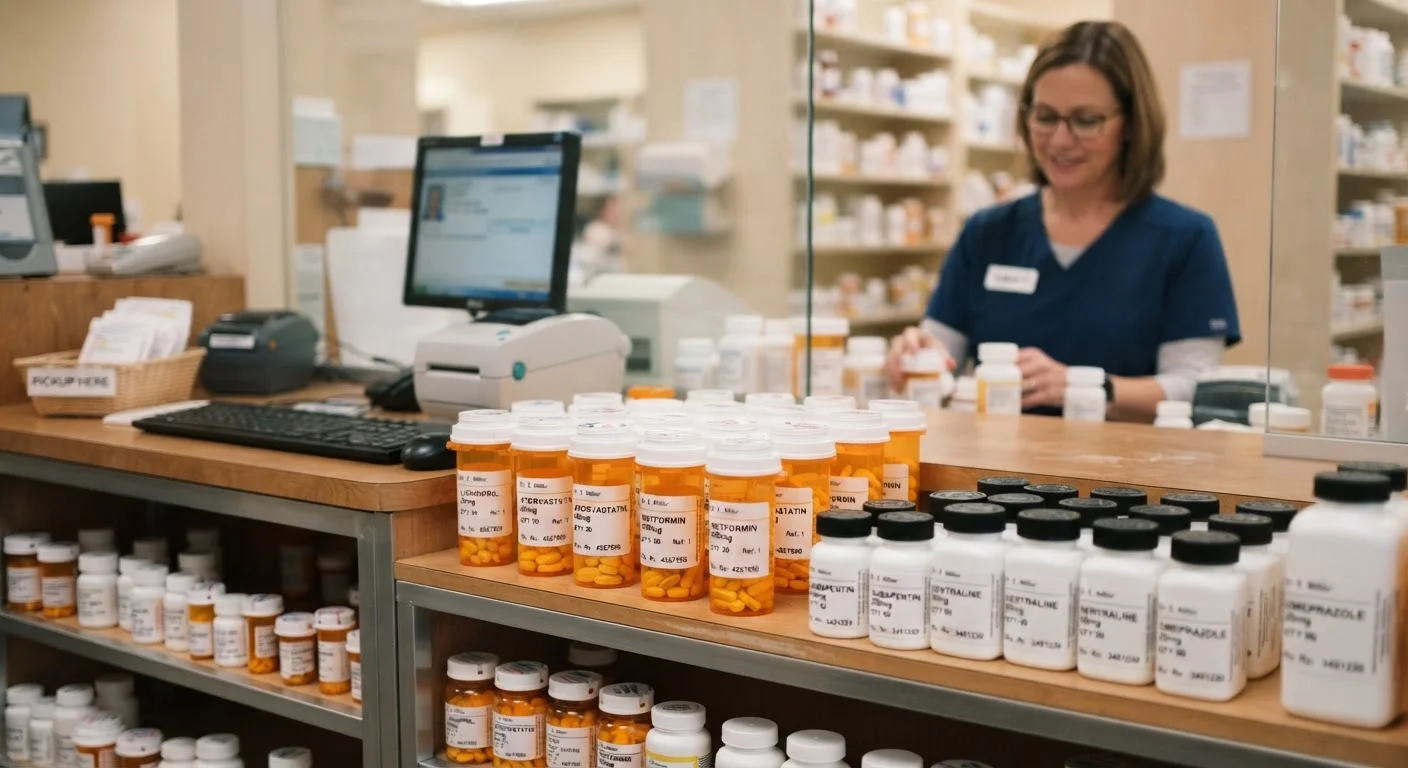
Photo: InsightsVault.com | Interesting Daily Reads editorial
Key Takeaways
- FDA-approved generic drugs must meet the same standards for safety, strength, and effectiveness as brand-name versions.
- Generics can cost 80-85% less than brand-name drugs, creating meaningful savings for long-term preventive medications.
- Many common preventive medications - including statins, blood pressure drugs, and low-dose aspirin alternatives - are widely available as generics.
- Switching to a generic should always involve a conversation with your prescriber or pharmacist.
- Insurance coverage and formulary placement can further reduce out-of-pocket costs for generic preventive drugs.
The Regulatory Foundation: What Makes a Generic Equivalent
Before a generic drug reaches pharmacy shelves, it must clear a rigorous FDA review process. The agency evaluates whether the generic contains the same active ingredient, at the same strength and dosage form, as the approved brand-name drug. Critically, it must also demonstrate bioequivalence - meaning the drug is absorbed into the bloodstream at a comparable rate and to a comparable extent.
This isn't a rubber stamp. Generic manufacturers must submit data from pharmacokinetic studies showing their product performs within FDA-accepted parameters. The agency also inspects manufacturing facilities to ensure quality standards match those required of brand-name producers.
What may differ between a generic and its brand-name counterpart are inactive ingredients - binders, fillers, colorings, and coatings. These don't affect how the active drug works, but readers with documented allergies or sensitivities to specific excipients should flag this with their pharmacist.
A Note on Narrow Therapeutic Index Drugs
This article is for general informational purposes only and does not constitute medical or pharmaceutical advice. Always consult a licensed healthcare provider or pharmacist before making changes to any medication regimen.
Cost Savings in Preventive Care: Where Generics Have the Biggest Impact
Preventive medications are often taken for years - or a lifetime. That time horizon makes the price difference between brand-name and generic drugs especially consequential. According to the FDA, generic drugs save consumers and the healthcare system tens of billions of dollars annually, and generic versions typically cost 80-85% less than their brand-name equivalents.
80-85%
Typical cost reduction with generic drugs
According to the FDA, generic medicines typically cost 80-85% less than their brand-name equivalents.
$338B+
Annual US savings from generic drug use
The Association for Accessible Medicines has estimated that generic drugs generate hundreds of billions in savings to the US healthcare system annually.
9 in 10
US prescriptions filled with generics
FDA data indicates generics account for roughly 90% of prescriptions dispensed in the United States.
Several drug categories central to preventive care have robust generic markets:
- Statins (used to manage cholesterol and reduce cardiovascular risk): Drugs like atorvastatin, simvastatin, and lovastatin are all available as generics.
- Antihypertensives (used to manage blood pressure): Many ACE inhibitors, ARBs, beta-blockers, and thiazide diuretics have affordable generic formulations.
- Diabetes management medications: Metformin, one of the most widely prescribed drugs for type 2 diabetes prevention and management, has been generic for decades.
For readers new to the broader concept of spending less on staying healthy, our Preventive Care 101 explainer offers useful context on where medications fit into the bigger preventive picture.
Navigating the Switch: What to Know Before You Act
For most people taking preventive medications, switching to a generic is straightforward and clinically appropriate. But a few practical steps make the process smoother and safer.
Talk to your prescriber or pharmacist first. While generics are equivalent by regulatory definition, some drug classes require extra care. Medications with narrow therapeutic windows - where small concentration changes can matter - deserve a more careful review before any switch.
Check your insurance formulary. Most plans tier generics at the lowest cost-sharing level. If your current prescription is brand-name and a generic exists, your insurer may already be nudging you toward it. Confirm coverage details by reviewing your plan's formulary online or calling the member services number on your insurance card.
Ask about additional savings programs. Community health centers, state pharmaceutical assistance programs, and federally qualified health centers may offer further support for those with limited coverage. Your pharmacist is often the most practical resource for identifying locally available options.
For a broader look at what preventive services are often covered at no direct cost, see our guide to free and low-cost preventive services.
The Long View: Prevention, Cost, and Consistency
One underappreciated factor in preventive medication effectiveness is adherence - taking a medication consistently over time. Research consistently shows that out-of-pocket cost is a leading reason patients skip doses or discontinue medications entirely. When a drug is unaffordably priced, even people who understand its health value may ration it.
This is where the equivalence of generics becomes more than a regulatory footnote. A medication that costs $8 a month instead of $80 is a medication more people will actually take. Adherence, not just pharmacological potency, drives real-world preventive outcomes.
The financial logic of prevention compounds over time too. Our article on treating versus preventing a condition explores how the cost burden of an untreated chronic condition routinely dwarfs what it would have taken to manage it earlier - a calculus that makes affordable generics a genuinely important piece of long-term financial health.
Understanding generic equivalence isn't just useful for human medications either. Generic versus brand-name pet medications follows a similar regulatory logic in the veterinary context, for readers managing preventive care across their whole household.
Frequently Asked Questions
The content provided on our blog site traverses numerous categories, offering readers valuable and practical information. Readers can use the editorial team’s research and data to gain more insights into their topics of interest. However, they are requested not to treat the articles as conclusive. The website team cannot be held responsible for differences in data or inaccuracies found across other platforms. Please also note that the site might also miss out on various schemes and offers available that the readers may find more beneficial than the ones we cover.