
Generic vs. Brand-Name Pet Medications

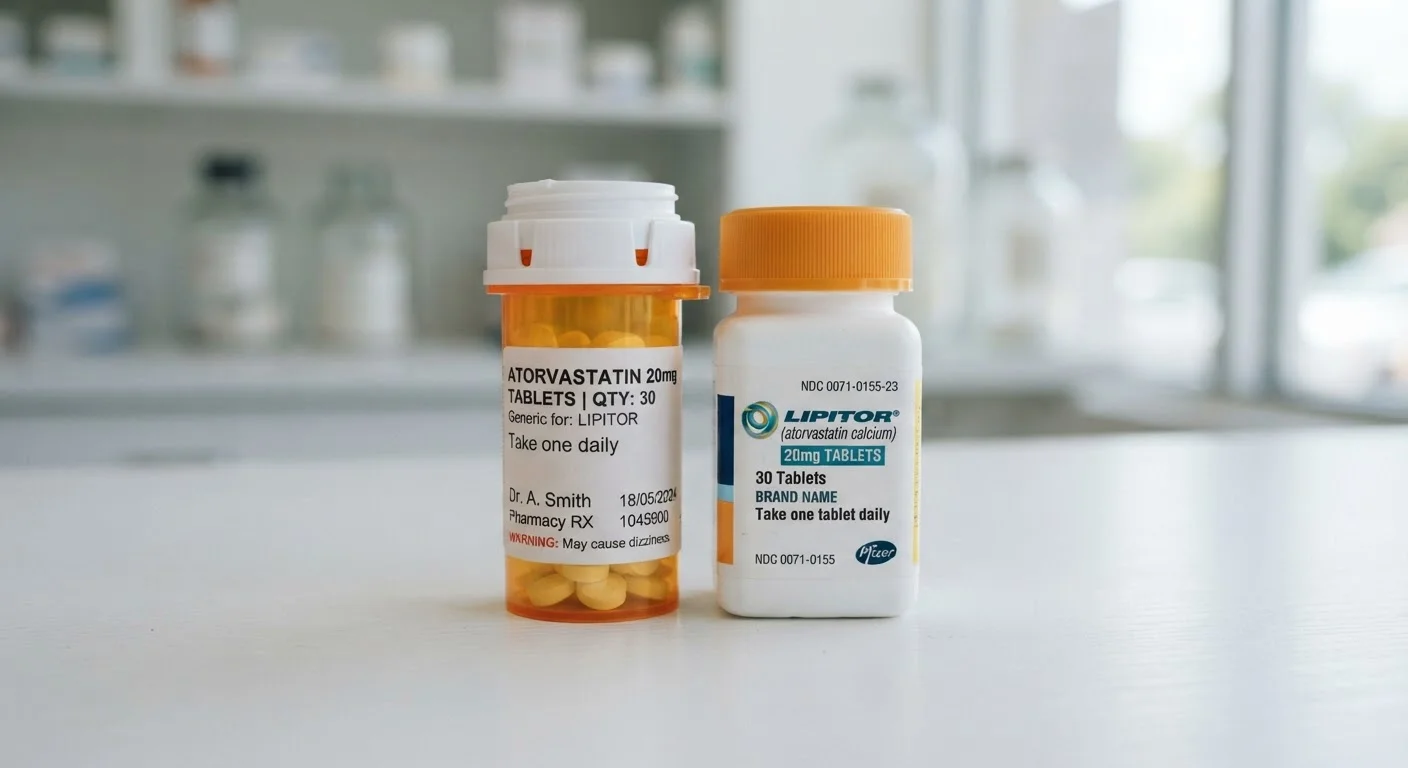
Photo: InsightsVault.com | Interesting Daily Reads editorial
Key Takeaways
- FDA-approved generic pet medications must contain the same active ingredient, dose, and route of administration as the brand-name original.
- Generics are typically 20-80% less expensive than their brand-name counterparts, offering significant savings on long-term medications.
- Inactive ingredients differ between generics and brands, which can matter for pets with sensitivities or specific formulation needs.
- Not every brand-name pet drug has an approved generic alternative available yet.
- Your veterinarian is the right person to consult before switching a pet from a brand-name to a generic medication.
How Generic Pet Medications Are Regulated
The U.S. Food and Drug Administration (FDA) regulates veterinary generic drugs through its Center for Veterinary Medicine (CVM). To gain approval, a generic must demonstrate bioequivalence to the reference brand-name drug - meaning it delivers the same active ingredient in the same amount, via the same route, producing a comparable effect in the animal's body.
This is a meaningful standard. It is not simply a matter of copying a formula - manufacturers must submit scientific data showing their product performs equivalently. The active ingredient, strength, and dosage form must all match the approved original.
What generics are not required to replicate are inactive ingredients - the binders, flavorings, preservatives, and fillers that hold a tablet together or make a liquid palatable. These can differ between manufacturers, which is usually inconsequential but occasionally relevant for pets with known sensitivities.
Compounded Medications Are a Different Category
For pet owners comparing the medication landscape more broadly, our guide to in-house vet dispensing vs. external pharmacy explains how where you fill a prescription also affects price.
Cost Differences: What the Gap Actually Looks Like
The price advantage of generics is real and often substantial. In human pharmacy research, generics are consistently priced well below brand-name equivalents - a pattern that carries into veterinary medicine when generic options exist. The savings are most significant for medications taken daily or monthly over months or years: thyroid medications, seizure drugs, anti-inflammatory treatments, and parasite preventives.
20-80%
Typical generic drug cost savings
FDA consumer guidance notes generics generally cost significantly less than brand-name equivalents, with the gap often widening for older off-patent drugs.
~90%
Share of US human prescriptions filled as generics
According to the FDA, generics account for roughly 90% of U.S. human prescriptions dispensed - illustrating the scale of trust placed in the bioequivalence standard.
However, the availability of veterinary generics is more limited than in human medicine. The veterinary drug market is smaller, which means fewer manufacturers pursue generic approval for every compound. Some medications - particularly newer or specialty drugs - simply have no approved generic yet, and the brand-name version is the only regulated choice.
When a generic is available and FDA-approved, filling it through a licensed external pharmacy (rather than automatically at your vet clinic) can yield additional savings. See our Low-Cost Pet Care hub for more strategies on reducing everyday veterinary expenses.
Head-to-Head: Where They Differ and Where They Don't
The table below summarizes how generic and brand-name pet medications compare across the criteria most relevant to budget-conscious pet owners.
| Criterion | Generic | Brand-Name |
|---|---|---|
| Active ingredient | Identical to brand original | Original formulation |
| FDA approval required | Yes, via bioequivalence | Yes, via clinical trials |
| Inactive ingredients | May differ | Original formula |
| Typical cost | Substantially lower | Higher (includes R&D cost recovery) |
| Availability | Varies by drug; not always available | Always available for approved drugs |
| Suitable for sensitive pets | Usually yes; verify fillers with vet | Yes; known formulation |
| Best for long-term use | Yes, when approved generic exists | When no generic is available |
It's worth noting that the equivalence question for medications is different from the one for pet food. With drugs, the FDA's bioequivalence requirement sets a specific, testable standard. The comparison is more straightforward than, say, evaluating ingredient lists on generic vs. name-brand pet food, where quality signals are harder to verify from a label alone.
For a broader perspective on when generics hold up across different spending categories, the generic vs. brand-name guide offers useful context beyond pet medications specifically.
When to Ask Your Vet About Switching
Never switch a pet's medication - even to an FDA-approved generic - without consulting your veterinarian first. Some conditions require close monitoring when formulations change, and your vet may want to recheck levels (for example, with thyroid or phenobarbital medications) after a transition.
That said, asking the question is entirely appropriate. A straightforward conversation - "Is there an approved generic for this?" - can open up real savings. Vets are generally aware of cost pressures on pet owners, and many will proactively offer a generic when one exists and is clinically suitable.
If your pet is on a preventive medication like a heartworm or flea-and-tick product, the generic landscape is more established, and switching is often lower-stakes. The evidence base for generics in preventive care is addressed in more detail in this overview of generics in preventive care.
This article provides general information about veterinary medications and is not a substitute for professional veterinary advice. Always consult a licensed veterinarian before changing your pet's medication or treatment plan.
The content provided on our blog site traverses numerous categories, offering readers valuable and practical information. Readers can use the editorial team’s research and data to gain more insights into their topics of interest. However, they are requested not to treat the articles as conclusive. The website team cannot be held responsible for differences in data or inaccuracies found across other platforms. Please also note that the site might also miss out on various schemes and offers available that the readers may find more beneficial than the ones we cover.