
Why Skipping Your Annual Physical Is Often the Costlier Choice

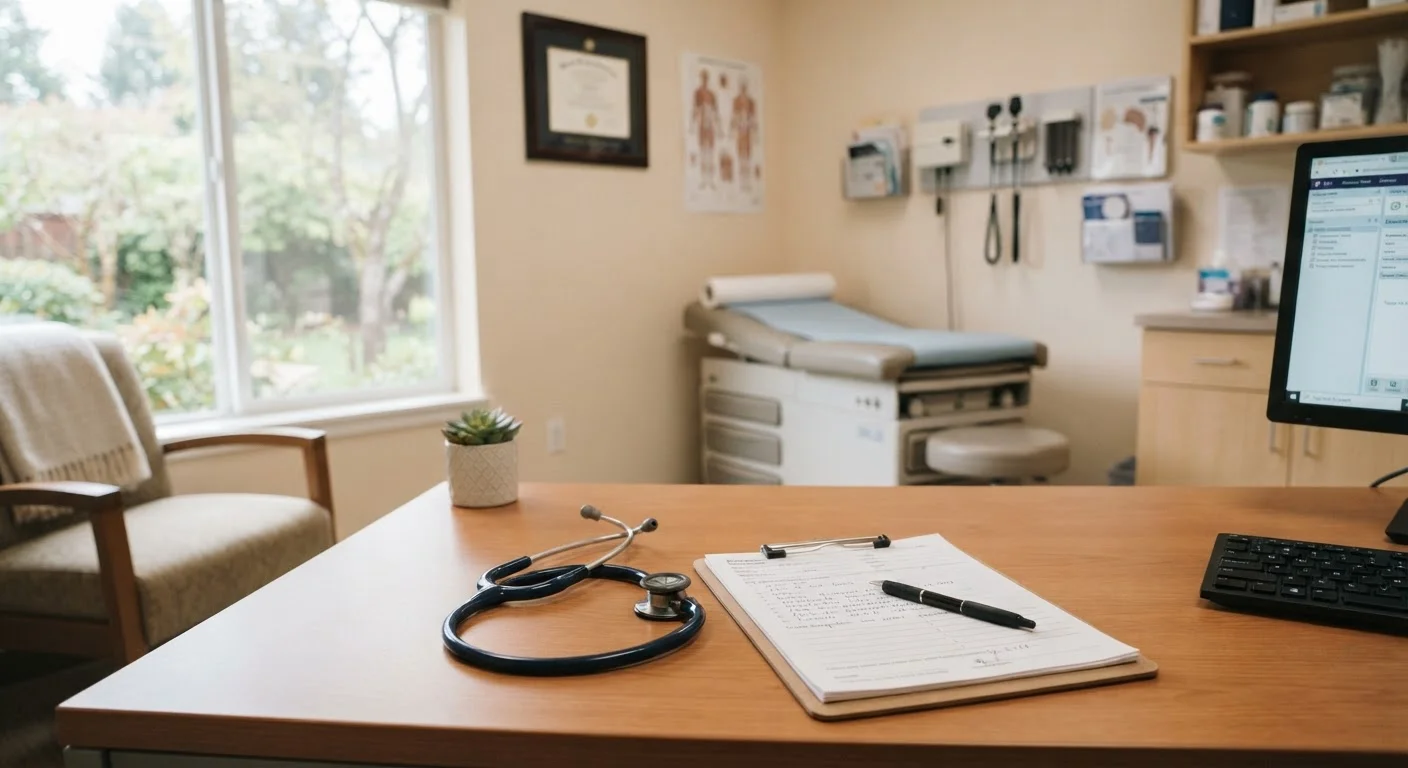
Photo: InsightsVault.com | Interesting Daily Reads editorial
Key Takeaways
- Many serious conditions - including hypertension and prediabetes - develop without obvious symptoms, making routine screening essential.
- Annual physicals are typically covered at no cost under the ACA's preventive care provisions for insured patients.
- Skipping a physical rarely saves money; undetected conditions tend to become far more expensive to treat later.
- A once-a-year visit also keeps your doctor informed about your baseline health, making future diagnoses more accurate.
The Hidden Price of Skipping a Checkup
An annual physical can feel like an optional errand - especially when you feel fine and your schedule is packed. But skipping it consistently is one of the quieter ways that health costs accumulate. Conditions caught early are nearly always cheaper to manage than conditions diagnosed late. That dynamic applies whether you're thinking about your body or, as explored in the real cost of skipping routine car maintenance, your car.
The core problem is that many of the conditions an annual physical is designed to detect - elevated blood pressure, abnormal blood glucose, high cholesterol - don't announce themselves with obvious symptoms. By the time they do, treatment typically involves more intensive and expensive interventions.
80%
Of premature heart disease cases potentially preventable
The CDC estimates that up to 80% of premature heart disease and stroke cases could be prevented through lifestyle changes and early detection.
1 in 3
U.S. adults with undiagnosed prediabetes
According to the CDC, approximately 96 million American adults have prediabetes, and more than 80% of them don't know it.
$0
Typical out-of-pocket cost for preventive visits (insured)
Under the Affordable Care Act, most insurance plans must cover annual wellness visits and many recommended preventive screenings with no cost-sharing.
For most insured adults, this screening opportunity costs nothing out of pocket. The barrier is rarely financial - it's usually a matter of prioritisation and a few persistent misconceptions.
Mistakes That Lead People to Skip the Doctor
Understanding why people avoid annual physicals - and what those choices actually cost - is the first step to changing the pattern. The mistakes below are among the most common we see, and each one is correctable with the right information.
Assuming that feeling healthy means no checkup is necessary.
Believing an annual physical isn't covered by insurance and assuming it will be expensive.
Skipping follow-up appointments after a physical flags a concern.
Treating the physical as a one-and-done event rather than part of ongoing health tracking.
Only scheduling a physical when something feels wrong, essentially using it as an urgent care substitute.
For a broader look at how these habits connect to similar patterns in other areas of life, it's worth reading common myths about preventive healthcare that keep people from getting the care they need.
What an Annual Physical Actually Covers
A standard annual physical typically includes a review of your medical history, vital sign measurements (blood pressure, heart rate, weight), and blood work ordered based on your age, sex, and risk factors. Depending on your age and health profile, your doctor may also discuss screenings for conditions like colorectal cancer, osteoporosis, or sexually transmitted infections.
"Feeling Fine" Is Not a Clean Bill of Health
This visit also gives your doctor an opportunity to update vaccinations, review any medications you're taking for interactions or continued necessity, and discuss mental health and lifestyle factors. It's genuinely more comprehensive than most people expect - and that breadth is part of why it's worth prioritising.
Once you've had your physical, the annual health checklist every adult should complete can help you stay on track throughout the rest of the year with low-cost habits that complement what your doctor monitors.
This article is for general informational purposes only and does not constitute medical advice. Consult a qualified healthcare professional for guidance specific to your health needs and circumstances.
The content provided on our blog site traverses numerous categories, offering readers valuable and practical information. Readers can use the editorial team’s research and data to gain more insights into their topics of interest. However, they are requested not to treat the articles as conclusive. The website team cannot be held responsible for differences in data or inaccuracies found across other platforms. Please also note that the site might also miss out on various schemes and offers available that the readers may find more beneficial than the ones we cover.