
Common Myths About Pet Vaccinations and What the Evidence Actually Says

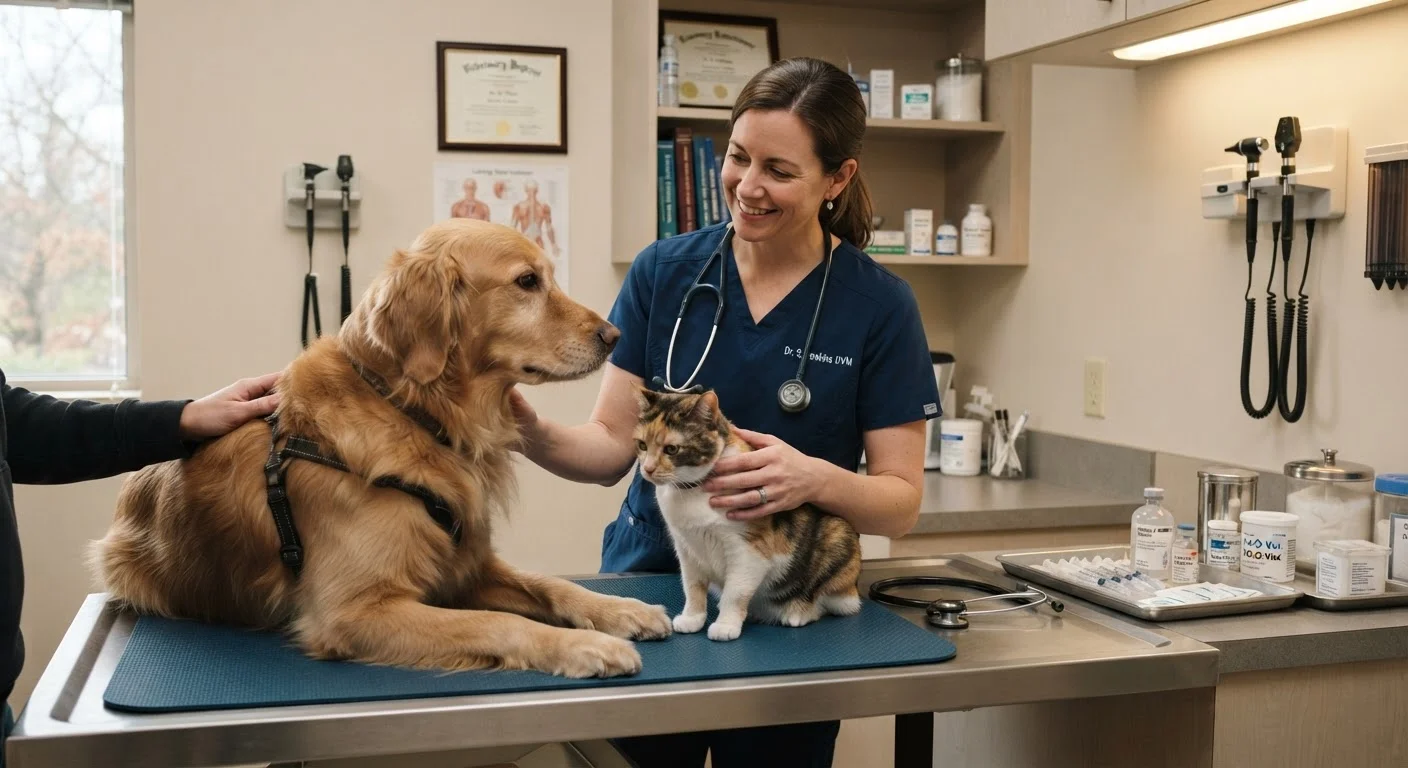
Photo: InsightsVault.com | Interesting Daily Reads editorial
Key Takeaways
- Vaccines do not cause the diseases they protect against - this is a consistent finding across veterinary research.
- Indoor pets still face real disease risks and generally benefit from core vaccinations.
- Skipping boosters to save money can lead to far costlier treatment bills if a preventable illness occurs.
- Titer tests can sometimes replace certain boosters, but require a vet's interpretation - not a blanket substitute.
- Low-cost vaccination clinics are widely available and can significantly reduce the financial burden of keeping pets current.
Why Vaccination Myths Persist - and Why They're Costly
Misinformation about pet vaccines spreads quickly through social media, well-meaning neighbor advice, and misread online forums. The result: pet owners make decisions based on incomplete or inaccurate information - decisions that can compromise their animals' health and, paradoxically, end up costing more in the long run.
Treating a preventable illness like parvovirus or feline distemper can run into the thousands of dollars, while a core vaccine typically costs between $15 and $40 at a low-cost clinic. Understanding what veterinary science actually says - rather than what circulates online - is one of the most practical financial and health decisions a pet owner can make. See also our guide to common low-cost pet care myths that can quietly backfire.
Myth
Vaccines can give my pet the disease they're supposed to prevent.
Fact
Licensed pet vaccines do not contain active disease-causing pathogens capable of producing a full infection. Modified-live vaccines use weakened viral strains that cannot replicate enough to cause disease in healthy animals.
Mild, temporary symptoms - slight lethargy or soreness at the injection site - can occur after vaccination and reflect the immune system responding normally. These are not signs of disease. Serious adverse reactions are rare and documented by veterinary pharmacovigilance systems. The risk of a true adverse event is substantially lower than the risk posed by the diseases vaccines prevent.
Myth
Indoor pets don't need vaccines because they're never exposed to other animals.
Fact
Core vaccines are recommended for indoor-only pets by major veterinary bodies including the American Animal Hospital Association (AAHA) and the American Association of Feline Practitioners (AAFP).
Pathogens enter homes on shoes, clothing, insects, and through open windows. Rabies vaccination is legally required for cats and dogs in most U.S. states regardless of indoor status. An indoor cat that escapes or is boarded during an emergency has no protection if unvaccinated. The perceived safety of an indoor lifestyle does not eliminate disease exposure risk entirely.
Myth
Once a pet has been vaccinated as a puppy or kitten, they're protected for life.
Fact
Immunity from most vaccines wanes over time. Core vaccines for dogs and cats are generally recommended on schedules ranging from every one to three years, depending on the specific vaccine and the animal's risk profile.
Maternal antibodies in young animals can also interfere with early vaccine efficacy, which is why a puppy or kitten series exists - to ensure at least one dose is delivered after maternal antibodies have declined. Skipping adult boosters doesn't preserve money saved on vaccines; it creates real vulnerability to illnesses that cost far more to treat. Your veterinarian can advise on the appropriate interval for each vaccine.
Myth
Titer tests prove your pet is fully protected and can replace all boosters.
Fact
Titer tests measure antibody levels in the blood and can provide useful information, but they do not give a complete picture of immune protection and are not a universal substitute for all vaccines.
For some core vaccines - particularly canine distemper and parvovirus - a positive titer result may support a decision to defer a booster, but this requires veterinary interpretation. Rabies vaccine exemptions based on titers are rarely recognized legally in the U.S. Titer tests themselves carry a cost (typically $40-$100 or more), so the financial calculation isn't always straightforward. Use them as a tool in dialogue with your vet, not as an automatic workaround.
Myth
Pets are over-vaccinated, and every vaccine increases long-term health risks.
Fact
Veterinary vaccine guidelines have actually moved toward less-frequent vaccination for many core vaccines over the past two decades, based on duration-of-immunity research.
The shift from annual to triennial intervals for certain core vaccines reflects the profession's ongoing evaluation of evidence - not a response to public pressure. Vaccine-associated sarcoma in cats is a documented, rare concern, and guidelines address it through site rotation and risk-benefit evaluation. The consensus among veterinary researchers remains that properly scheduled vaccination provides substantial protective benefit that outweighs documented risks for the vast majority of pets.
Making Vaccination Decisions That Balance Wellbeing and Budget
The goal isn't to vaccinate maximally - it's to vaccinate appropriately. Work with your veterinarian to identify which vaccines are genuinely necessary based on your pet's species, age, lifestyle, and regional disease prevalence. Core vaccines (those recommended for virtually all pets) differ from non-core vaccines, which depend on individual risk factors.
$3,000-$8,000+
Typical cost to treat canine parvovirus
Veterinary cost estimates for hospitalization and supportive care for parvovirus treatment commonly fall in this range, versus roughly $15-$40 for a parvovirus vaccine at a low-cost clinic.
~90%
U.S. states requiring rabies vaccination by law
Nearly all U.S. states mandate rabies vaccination for dogs; many also require it for cats, making this the most legally enforced of all pet vaccines.
If cost is a barrier, low-cost vaccine clinics run by humane societies, veterinary schools, and animal welfare organizations operate in most metro areas and many rural communities. Community pet health resources can help you locate programs in your area. Many charge $10-$25 per vaccine and don't require an appointment. Your pet's wellness exam is also an opportunity to reassess the vaccine schedule - routine wellness visits catch early problems and keep prevention costs predictable.
This article provides general educational information about pet healthcare and is not a substitute for professional veterinary advice. Consult a licensed veterinarian to determine the appropriate vaccination schedule for your individual pet.
The content provided on our blog site traverses numerous categories, offering readers valuable and practical information. Readers can use the editorial team’s research and data to gain more insights into their topics of interest. However, they are requested not to treat the articles as conclusive. The website team cannot be held responsible for differences in data or inaccuracies found across other platforms. Please also note that the site might also miss out on various schemes and offers available that the readers may find more beneficial than the ones we cover.