
Pet Wellness Exams: What Vets Check and Why They Matter

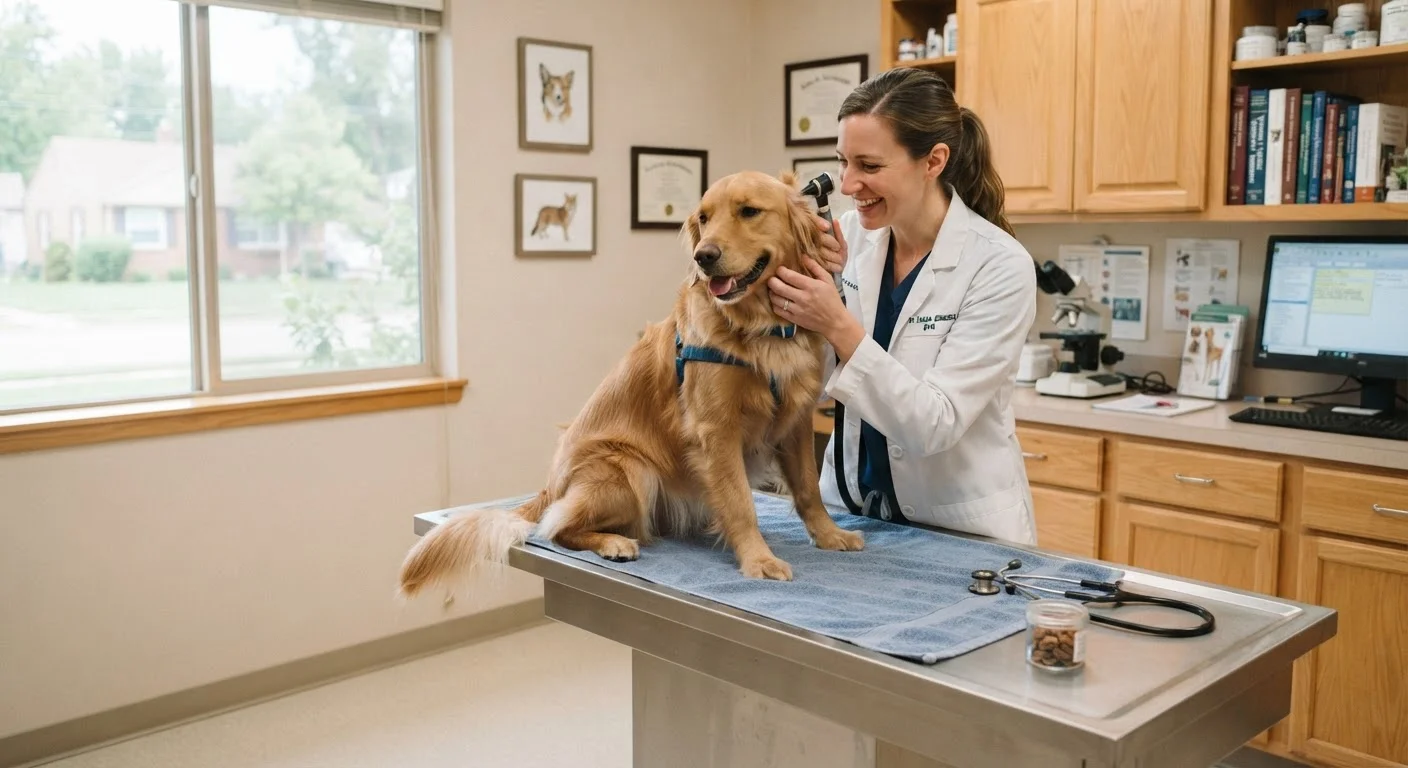
Photo: InsightsVault.com | Interesting Daily Reads editorial
Key Takeaways
- Wellness exams typically cost $50-$250 and cover a full physical assessment plus preventive care updates.
- Vets check weight, teeth, eyes, ears, heart, lungs, skin, and more in a single visit.
- Early detection of conditions like kidney disease or heart murmurs can dramatically reduce long-term treatment costs.
- Senior pets generally need twice-yearly exams because health can change rapidly with age.
- Preparing questions in advance helps you get more value from every appointment.
What Actually Happens During a Wellness Exam
A wellness exam is more systematic than most owners expect. The vet doesn't simply glance at your pet and call it done - they work through a structured physical assessment that can surface problems invisible to even the most attentive owner.
Here's what a standard exam typically covers:
- Weight and body condition score: Obesity and underweight conditions are linked to diabetes, joint disease, and organ stress. Tracking weight over time reveals trends your eyes might miss.
- Dental inspection: Periodontal disease affects the majority of dogs and cats by age three. Vets assess tartar buildup, gum inflammation, and tooth integrity - issues that, left untreated, can affect the heart and kidneys.
- Eyes and ears: Cloudiness, discharge, redness, or unusual odor can signal infections, allergies, or early systemic disease.
- Heart and lungs: Auscultation (listening with a stethoscope) can detect murmurs, arrhythmias, and abnormal lung sounds - often before an owner notices any symptoms.
- Abdominal palpation: The vet feels for enlarged organs, unusual masses, or pain responses that may indicate internal problems.
- Skin and coat: Dryness, hair loss, lumps, or parasites are assessed. Some skin changes are early indicators of hormonal disorders like hypothyroidism or Cushing's disease.
- Lymph nodes: Swollen nodes can be an early sign of infection or, in some cases, cancer.
The exam also includes a review of your pet's vaccination history, parasite prevention status, and any behavioral or dietary changes you've noticed. To make the most of this time, see our annual vet visit prep checklist for what to bring and which questions to ask.
The Financial Case for Preventive Exams
Wellness exams aren't just medically sound - they're often the most cost-effective thing you can do for a pet's long-term care. Detecting a problem in its early stage consistently costs less to treat than managing the same condition once it has progressed.
~70%
Dogs and cats with dental disease by age 3
According to veterinary dental health resources, periodontal disease is among the most common - and most preventable - conditions identified during wellness exams.
2x/year
Recommended exam frequency for senior pets
Most veterinary guidelines recommend twice-yearly wellness visits for pets over age 7, reflecting the faster pace of age-related health changes in animals.
$50-$250
Typical wellness exam cost range
Exam fees vary widely by region, clinic type, and pet species; add-on services like bloodwork or vaccinations are billed separately in most practices.
Consider kidney disease in cats: routine bloodwork during a wellness exam can flag elevated creatinine or BUN levels years before a cat shows outward symptoms. At that stage, dietary management - a relatively low-cost intervention - may slow progression significantly. By the time clinical signs appear, treatment often involves IV fluids, hospitalization, and intensive management.
The same principle applies to dental disease, heart conditions, and certain cancers. A heart murmur caught early may only require monitoring and medication. Undetected, it can progress to congestive heart failure requiring emergency care.
For a broader look at where preventive spending pays off relative to reactive spending, see why preventive vet care is cheaper than emergency care.
How to Reduce the Cost of Wellness Exams Without Skipping Them
The exam itself is rarely where owners overspend - the add-ons are. Knowing which extras are genuinely important for your pet's age and risk profile helps you have a productive conversation with your vet rather than simply agreeing to everything recommended.
Ask Before You Approve Add-Ons
Practical options for reducing costs:
- Veterinary school clinics: Accredited programs offer supervised care at reduced rates. Quality is closely monitored, though wait times may be longer.
- Low-cost community clinics: Many humane societies and nonprofit organizations run periodic or permanent low-cost wellness clinics. Check local shelter websites and community boards.
- Wellness plan subscriptions: Some private vet practices offer annual wellness bundles that spread exam and vaccine costs into monthly payments - useful for budget predictability, though the total cost isn't always lower.
- Ask what's included: Before your appointment, confirm what the base exam fee covers. Bloodwork, fecal tests, and heartworm checks are often separate line items.
For more strategies on spending smarter across all pet care categories, our guide to stretching your pet care budget covers where cuts make sense and where they tend to backfire. And if you're evaluating which vet recommendations are essential versus optional, common overspending traps at the vet clinic is a useful companion read.
This article is for general informational purposes only and does not constitute veterinary or medical advice. Consult a licensed veterinarian for guidance specific to your pet's health needs.
Frequently Asked Questions
The content provided on our blog site traverses numerous categories, offering readers valuable and practical information. Readers can use the editorial team’s research and data to gain more insights into their topics of interest. However, they are requested not to treat the articles as conclusive. The website team cannot be held responsible for differences in data or inaccuracies found across other platforms. Please also note that the site might also miss out on various schemes and offers available that the readers may find more beneficial than the ones we cover.