
Overspending Traps Pet Owners Fall Into at the Vet Clinic

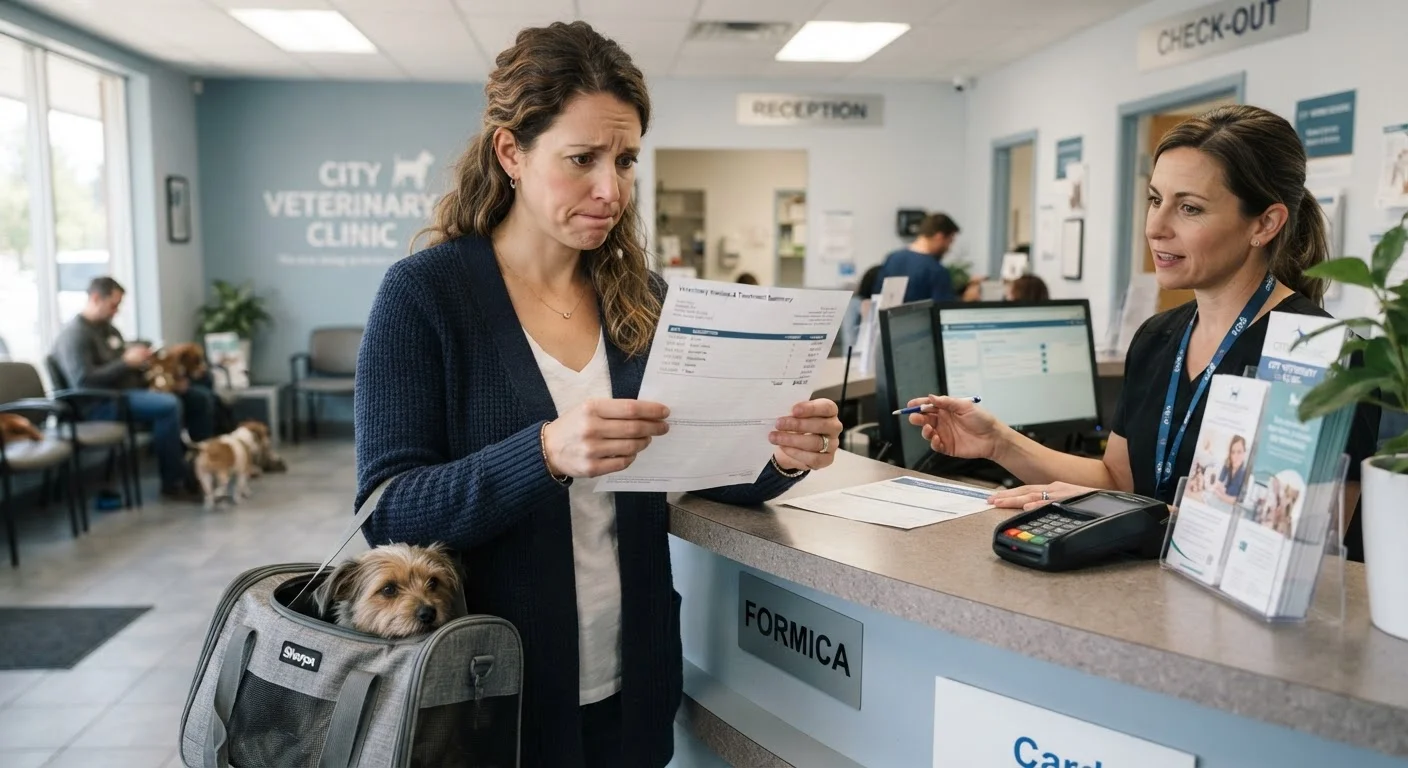
Photo: InsightsVault.com | Interesting Daily Reads editorial
Key Takeaways
- Vets may recommend add-on services that are genuinely useful but not always urgent or necessary for every pet.
- Asking 'Is this essential today?' before agreeing to any upsell is a practical first line of defense.
- Prescription markups at vet clinics can be significant; filling externally is often legal and cheaper.
- Prepaid wellness plans save money only if your pet uses enough covered services to break even.
- Arriving with written questions and a clear health history prevents costly reactive decision-making at the appointment.
Why Vet Visits Are Fertile Ground for Overspending
Veterinary clinics are not predatory by design, but they are businesses operating under real financial pressures - and the visit structure naturally creates moments where spending can escalate quickly. You're anxious about your pet, time is short, and a trusted professional is recommending something. That combination makes it hard to pause and evaluate objectively.
The good news: most overspending at the vet isn't caused by fraud. It's caused by a lack of preparation, emotional decision-making in the exam room, and genuine misunderstanding of what's optional versus essential. Understanding the specific traps is the fastest way to sidestep them. See also our Annual Vet Visit Prep guide for a practical checklist to bring to every appointment.
Agreeing to every recommended add-on without asking whether it's urgent.
Filling all prescriptions at the vet clinic without checking outside pharmacy prices.
Signing up for a prepaid wellness plan without calculating whether your pet will actually use it.
Authorizing a full diagnostic panel when a targeted test would address the immediate concern.
Skipping preventive care and paying more for reactive treatment later.
How to Push Back Without Compromising Your Pet's Care
Asking questions at the vet isn't the same as refusing care. Most veterinarians welcome informed clients - it leads to better compliance and better outcomes. The key is knowing which questions to ask before you're handed the invoice.
Don't Confuse Pressure With Medical Necessity
A few standard questions can reframe the entire conversation: Is this medically necessary today, or can it wait? What happens if we monitor this and revisit in 30 days? Is there a lower-cost alternative that addresses the same concern? These aren't confrontational - they're clinically appropriate.
For prescriptions specifically, federal law in the US generally gives pet owners the right to request a written prescription and fill it at an outside pharmacy. Vet dispensing versus external pharmacy pricing can vary substantially for the same drug - sometimes by 50% or more on common medications. Always compare before you pay at the counter.
If you're planning vet care costs more systematically, our overview of getting started with pet health budgeting walks through how to estimate routine and unexpected expenses realistically. And for a broader look at where you can spend less without cutting corners on health, see Stretching Your Pet Care Budget.
This article provides general consumer information about veterinary spending decisions. It is not a substitute for professional veterinary advice about your specific pet's health needs.
The content provided on our blog site traverses numerous categories, offering readers valuable and practical information. Readers can use the editorial team’s research and data to gain more insights into their topics of interest. However, they are requested not to treat the articles as conclusive. The website team cannot be held responsible for differences in data or inaccuracies found across other platforms. Please also note that the site might also miss out on various schemes and offers available that the readers may find more beneficial than the ones we cover.