
Annual Vet Visit Prep: What to Bring, Ask, and Track

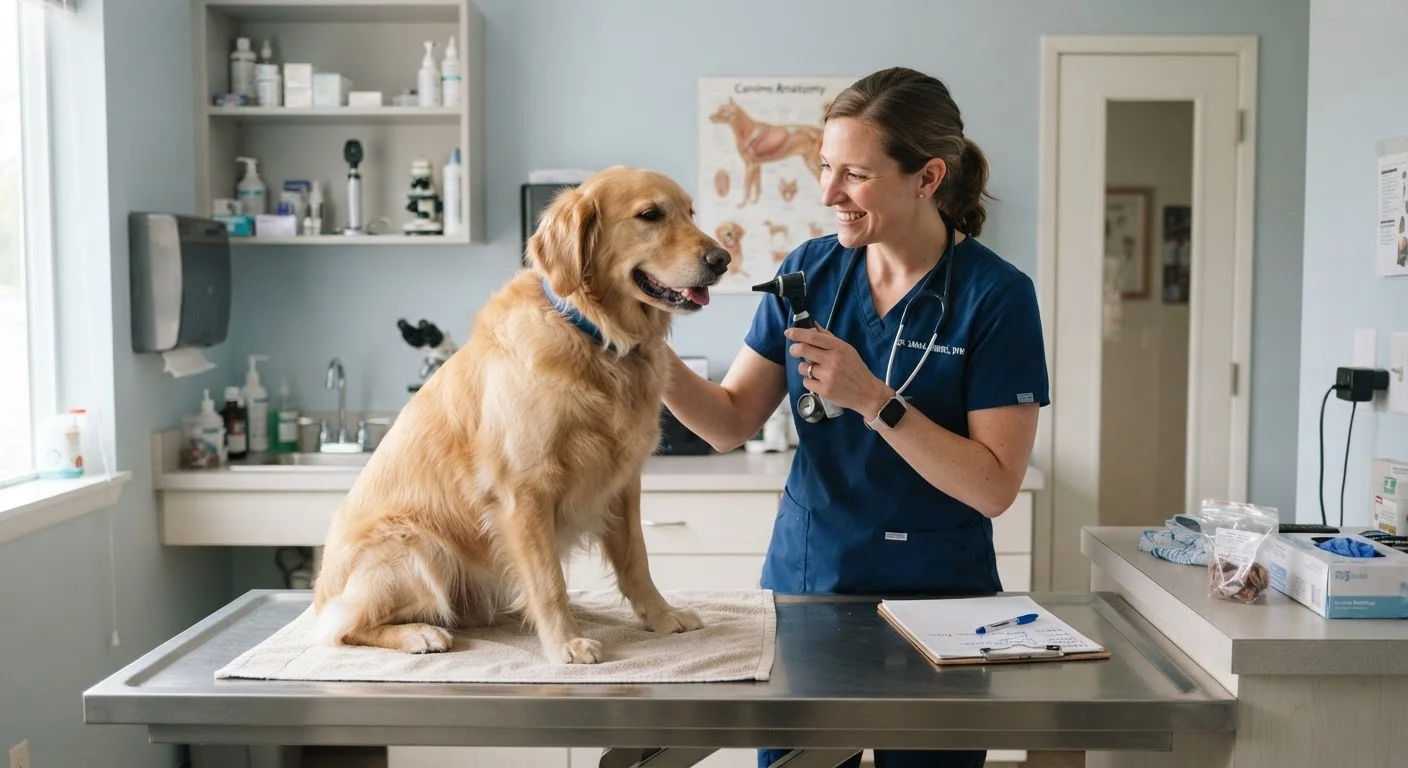
Photo: InsightsVault.com | Interesting Daily Reads editorial
Key Takeaways
- Bringing complete health records prevents duplicate tests and saves money at every visit.
- Preparing specific questions in advance helps you get more value from limited appointment time.
- Tracking behavioral and dietary changes between visits gives your vet clinically useful information.
- Asking about the medical necessity of recommended add-ons is a legitimate and smart practice.
- A well-prepared annual visit supports early detection, which is consistently less expensive than reactive care.
Why Preparation Pays Off at the Annual Exam
Annual wellness exams are one of the highest-value investments in your pet's health - but only if you show up ready. A disorganized appointment wastes the vet's time and yours, increases the risk of duplicate diagnostics, and makes it harder to catch subtle changes that could matter clinically. As our guide to what vets check during wellness exams explains, these visits cover far more ground than most owners realize.
Preparation is also a financial tool. When you arrive with organized records and pointed questions, you're better positioned to understand what's recommended and why - which helps you avoid unnecessary spending. For a deeper look at how routine care compares to emergency costs, see why preventive vet care is cheaper than emergency care.
Use the checklist below before every annual appointment. It covers what to gather, what to ask, and what to record so each visit builds usefully on the last.
Pet health record folder or binder
Keeps vaccination records, lab results, and visit summaries organized and portable for each appointment.
Smartphone or notepad
Use it to write down the vet's recommendations in real time so nothing is forgotten after the visit.
Stool sample container
Most clinics supply these free on request; collect a fresh sample the morning of your appointment for parasite screening.
Simple spreadsheet or notes app
Tracks year-over-year health data, costs, and upcoming care dates in one accessible place.
The Full Prep Checklist
Work through these items in the days before your appointment. Most take only a few minutes but make a measurable difference in the quality of information your vet receives - and what you leave knowing.
Documents to Bring
Health Observations to Report
Questions to Ask Your Vet
Post-Visit Tracking
Don't Skip the Record Trail
After the visit, log what was discussed, what was recommended, and what the next follow-up date is. This running record is the foundation of smarter pet health budgeting and helps you spot patterns year over year. You can also feed this information into your annual pet care expense audit to identify where spending has drifted.
If the vet recommends add-on services or diagnostics you weren't expecting, it's reasonable to ask about the urgency and alternatives. Our article on overspending traps at the vet clinic covers how to have that conversation without being dismissive of legitimate recommendations.
This article provides general information for educational purposes only and is not a substitute for professional veterinary advice. Always consult a licensed veterinarian for decisions about your pet's health.
The content provided on our blog site traverses numerous categories, offering readers valuable and practical information. Readers can use the editorial team’s research and data to gain more insights into their topics of interest. However, they are requested not to treat the articles as conclusive. The website team cannot be held responsible for differences in data or inaccuracies found across other platforms. Please also note that the site might also miss out on various schemes and offers available that the readers may find more beneficial than the ones we cover.