
Free Veterinary Care Programs That Most Pet Owners Have Never Heard Of

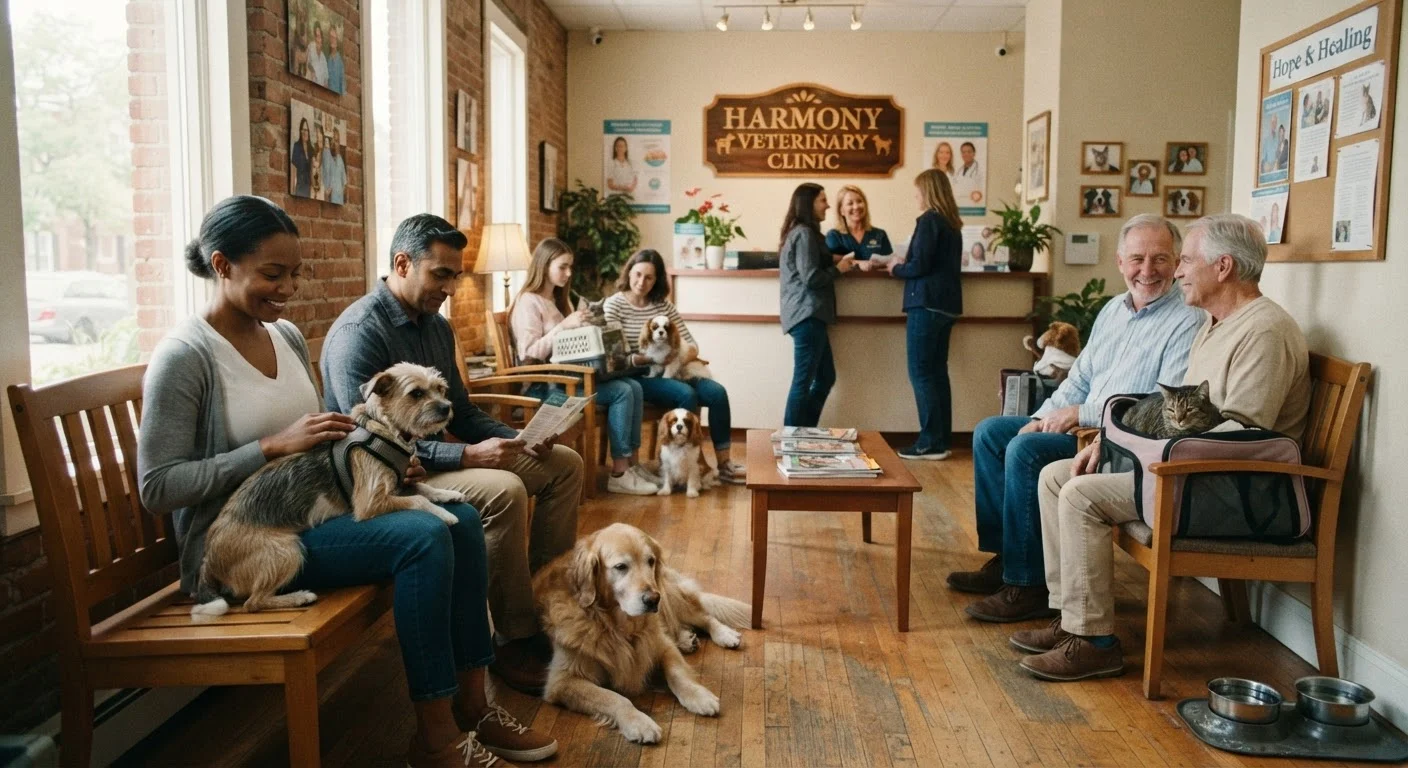
Photo: InsightsVault.com | Interesting Daily Reads editorial
Key Takeaways
- Veterinary teaching hospitals at accredited universities often provide care at significantly reduced or no cost.
- Many animal shelters and humane societies run free or sliding-scale clinics open to the general public.
- Breed-specific rescue organizations and national nonprofits sometimes fund veterinary care for qualifying owners.
- Hardship assistance funds exist through veterinary schools, nonprofits, and some pet-focused charities.
- Community mobile vet clinics and spay-neuter events are frequently available but rarely advertised widely.
- Eligibility requirements vary by program - income thresholds, geography, and pet type all affect access.
Programs That Exist - and Why Most People Miss Them
Veterinary costs rank among the leading reasons pet owners delay or skip care entirely. Yet a meaningful network of free and low-cost programs operates quietly across the country - underpromoted, underfunded, and largely unknown to the people who need them most.
This isn't a list of vague suggestions. Each program type below is real, currently active in many U.S. regions, and accessible without requiring extreme financial hardship to qualify. Understanding the landscape is the first step. For a broader overview of how these resources fit together, see our practical starting point for new owners.
Veterinary Teaching Hospitals
Accredited veterinary schools - including those affiliated with institutions like Cornell, UC Davis, and Colorado State - operate teaching hospitals that treat companion animals under the supervision of licensed faculty. Care is provided by veterinary students at advanced clinical stages, meaning quality oversight is built into the model.
Fees at these hospitals are often 30-50% lower than private practice, and some offer further reductions or no-cost services for qualifying low-income owners. Services frequently available include diagnostics, surgery, dentistry, and specialist consultations that would otherwise be cost-prohibitive.
To locate an accredited veterinary teaching hospital near you, the American Veterinary Medical Association (AVMA) maintains a directory of accredited programs. Our article on how veterinary teaching hospitals work covers what to expect from a visit.
Teaching hospital fees can run 30-50% lower than private practice, with further reductions for qualifying owners.
Humane Society and Shelter Clinics
Many local humane societies and animal shelters operate veterinary clinics that serve the broader community - not just shelter animals or recent adoptees. Services commonly offered include vaccinations, spay and neuter surgeries, microchipping, and basic wellness exams, often on a sliding-scale fee basis tied to household income.
These clinics are frequently separate from the adoption floor and may have their own appointment systems and hours. Availability depends heavily on local funding and staffing, so services differ significantly between regions. Calling your nearest shelter directly - rather than assuming based on their adoption services - is the most reliable way to find out what's offered.
Shelter clinics often serve the general public, not just adopters - a distinction most pet owners don't realize.
Nonprofit Veterinary Assistance Funds
Several national nonprofits maintain hardship funds specifically for veterinary expenses. Organizations such as the Brown Dog Foundation, The Pet Fund, and RedRover Relief provide grants or financial assistance to qualifying pet owners facing significant veterinary costs they cannot cover alone.
Eligibility typically requires documentation of financial need and a confirmed diagnosis or treatment plan from a licensed veterinarian. These funds generally prioritize life-threatening or serious conditions over elective procedures. Application processing times vary, so these aren't emergency same-day resources - but for ongoing or planned treatment, they can offset meaningful costs.
For a more complete breakdown of how nonprofit assistance programs are structured, see our guide to community clinics, nonprofits, and assistance programs.
Nonprofit hardship funds require documentation but can cover portions of serious or life-threatening treatment costs.
Breed-Specific Rescue and Club Programs
Breed-specific rescue organizations sometimes extend assistance beyond rehoming. Some maintain medical funds that help current owners - not just rescue animals - cover costs for breed-common health conditions. National breed clubs affiliated with the American Kennel Club (AKC) or Cat Fanciers' Association (CFA) may also run health education initiatives or connect owners with discounted specialist referrals.
This is especially relevant for breeds with known hereditary conditions - such as brachycephalic dogs prone to respiratory issues or large breeds prone to orthopedic problems - where specialist care costs can be substantial. Searching for your breed's national rescue or parent club is the practical starting point.
Breed clubs and rescues sometimes fund care for current owners, not just rescued animals - a rarely publicized resource.
Mobile Spay-Neuter and Wellness Clinics
Mobile veterinary units and pop-up clinics regularly provide free or heavily subsidized spay and neuter surgeries, rabies vaccines, and basic wellness services in underserved communities. These events are funded through a mix of municipal contracts, foundation grants, and national organizations such as the ASPCA and PetSmart Charities.
Because these events aren't consistently advertised through mainstream channels, finding them requires checking local shelter websites, county animal services pages, and community bulletin boards. Frequency varies from weekly in large metro areas to a few times per year in rural regions. Our field guide to mobile clinics and spay-neuter events explains how to locate and prepare for these events.
Mobile clinics funded by national organizations provide free spay-neuter and vaccines, but rarely publicize their schedule widely.
Veterinary School Student Outreach Clinics
Separate from teaching hospitals, some veterinary schools run community outreach clinics staffed by students under faculty supervision. These are often held in community centers, churches, or underserved neighborhoods, and tend to offer a narrower scope of services - typically vaccinations, parasite prevention, and basic wellness checks - at no or minimal cost.
These clinics are generally less formal than teaching hospitals and may not offer diagnostics or treatment for illness. However, for routine preventive care, they represent a genuinely no-cost option that many pet owners in qualifying areas have never accessed. Check with veterinary schools in your state to see whether they operate such outreach programs.
Outreach clinics run by vet students can deliver free preventive care in community settings most owners walk past without knowing.
Making the Most of These Programs
Finding these programs takes some groundwork. Start with your local humane society, county animal services department, or a search through the ASPCA's and Petfinder's resource directories - both maintain searchable databases of low-cost care providers by ZIP code. Your regular veterinarian may also know of local hardship funds or community clinics worth contacting.
Document Everything Before You Apply
Keep in mind that availability changes. Programs open and close based on grant funding, volunteer capacity, and local demand. Calling ahead and confirming current services before making a trip is always worthwhile.
For a broader look at how community outreach events are structured and funded, our field guide to community clinics and mobile vans covers what to expect. And if you've assumed these programs are only for people in crisis, the eligibility reality may surprise you.
This article provides general informational content about veterinary assistance programs and is not a substitute for professional veterinary advice. Program availability, eligibility criteria, and services offered vary by location and change over time. Always verify details directly with the program before visiting.
The content provided on our blog site traverses numerous categories, offering readers valuable and practical information. Readers can use the editorial team’s research and data to gain more insights into their topics of interest. However, they are requested not to treat the articles as conclusive. The website team cannot be held responsible for differences in data or inaccuracies found across other platforms. Please also note that the site might also miss out on various schemes and offers available that the readers may find more beneficial than the ones we cover.