
Why Some Owners Miss Out on Free Pet Programs - and How That Happens

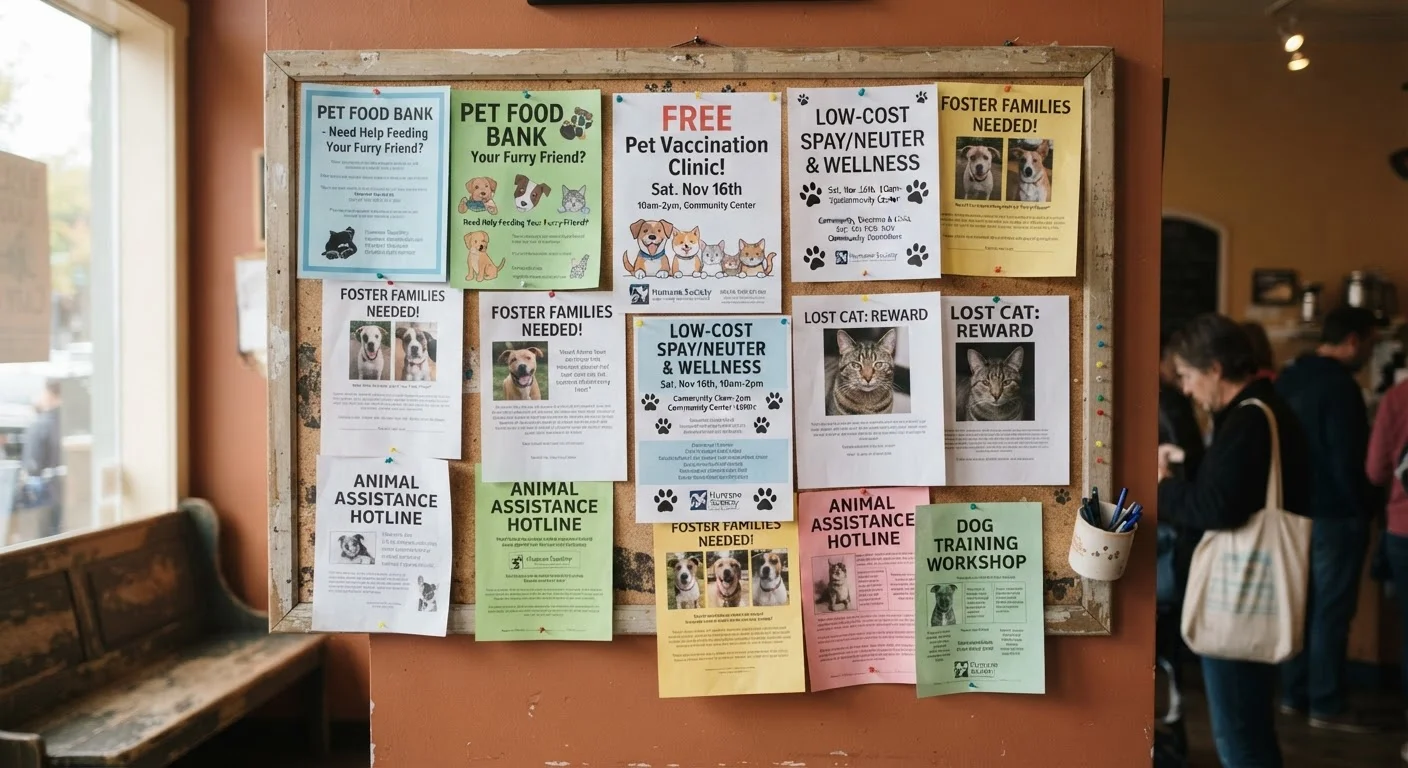
Photo: InsightsVault.com | Interesting Daily Reads editorial
Key Takeaways
- Many free pet programs go unused simply because owners don't know they exist or where to look.
- Eligibility assumptions are often wrong - programs serve a wider income range than most people expect.
- Application friction, including paperwork and deadlines, causes qualified owners to drop out before completion.
- Local shelters, nonprofits, and veterinary schools are among the most commonly overlooked program sources.
- Understanding the barriers is actionable - most can be overcome with the right information and timing.
The Gap Between Programs That Exist and Owners Who Use Them
Thousands of free and low-cost pet programs operate across the United States - vaccine clinics, spay/neuter assistance, food pantries, emergency veterinary funds, and more. Yet a substantial portion of pet owners who could benefit from them never do. The gap isn't primarily about program supply; it's about awareness, access, and a handful of avoidable assumptions.
Understanding how these barriers form is the most practical first step. If you've ever thought "those programs aren't for people like me" or simply couldn't find what you were looking for, you're far from alone - and the obstacles are more addressable than they might appear. See our practical starting point for navigating free pet resources for a broader overview of what's available and where to begin looking.
Don't Self-Disqualify Before Applying
Common Mistakes That Keep Owners From Accessing Free Help
Most of the reasons owners miss out on free programs come down to a predictable set of errors - not lack of effort or care. Below are the specific missteps that come up most often, along with what drives them and how to move past each one.
Assuming free programs are only for people in extreme financial hardship.
Not knowing where to look beyond an internet search.
Missing application windows because programs aren't monitored proactively.
Abandoning applications midway due to paperwork or documentation requirements.
Overlooking programs because they seem geographically out of reach.
Treating a one-time rejection as a permanent disqualification.
For a deeper look at how misconceptions shape these patterns, the pet assistance myths article covers the belief systems that keep qualified owners from seeking help they're entitled to.
Program Availability Changes - Verify Before You Plan
Turning Awareness Into Action
The mistakes above share a common thread: they're rooted in incomplete information rather than ineligibility. Once you know where programs actually are, what they actually require, and how their timing works, the path to accessing them becomes much more manageable.
1 in 3
Pet owners who struggle with unexpected vet costs
Surveys from the American Pet Products Association and veterinary consumer research consistently find that unexpected veterinary expenses are among the top financial stressors for U.S. pet owners.
~6,000
Animal welfare organizations operating in the U.S.
The ASPCA estimates there are approximately 6,000 independent animal shelters and animal welfare organizations across the country, many of which operate assistance programs.
If you're ready to move from awareness to application, the guide to applying for pet assistance programs without getting rejected walks through exactly what documentation most programs require and how to prepare a strong submission. And if you're looking across the full arc of pet ownership, free pet resources from shelter to senior care maps out no-cost options at every stage. Once you're accessing programs, getting the most from free pet programs without abusing shared resources offers practical guidance on using them sustainably.
The content provided on our blog site traverses numerous categories, offering readers valuable and practical information. Readers can use the editorial team’s research and data to gain more insights into their topics of interest. However, they are requested not to treat the articles as conclusive. The website team cannot be held responsible for differences in data or inaccuracies found across other platforms. Please also note that the site might also miss out on various schemes and offers available that the readers may find more beneficial than the ones we cover.