
Free Pet Resources

Getting the Most from Free Pet Programs Without Abusing Shared Resources

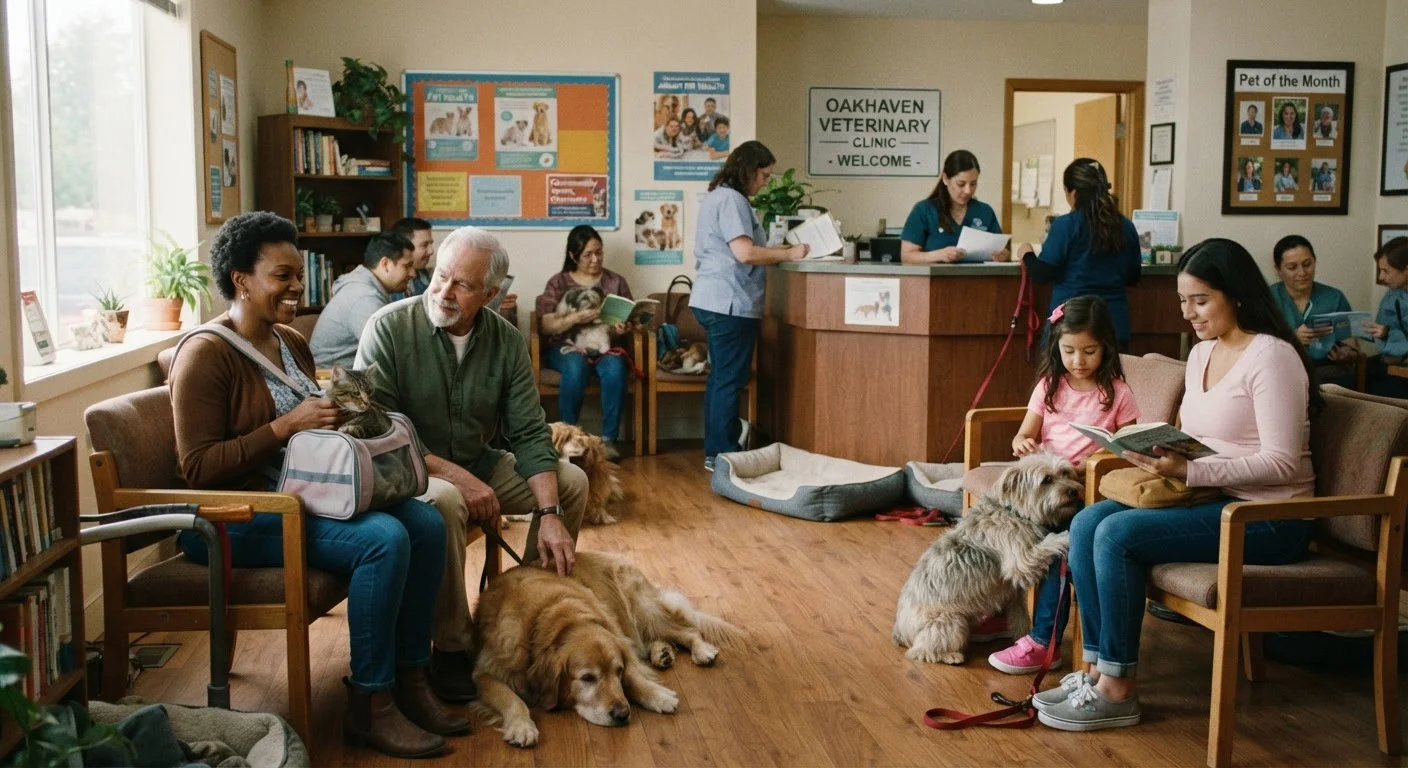
Getting the Most from Free Pet Programs Without Abusing Shared Resources

Photo: InsightsVault.com | Interesting Daily Reads editorial

Community pet resources are finite. These principles help owners access what they need while keeping programs sustainable for others.

Key Takeaways

  • Many free pet programs operate on limited funding and can be strained by high demand or misuse.
  • Verifying your eligibility before applying protects resources for households with the greatest need.
  • Combining multiple programs strategically — rather than relying on one — spreads demand more sustainably.
  • Volunteering or donating back when your situation improves helps keep community programs viable long-term.
  • Knowing program boundaries prevents unintentional misuse that can lead to program cuts or stricter eligibility rules.

Why Responsible Use of Free Pet Programs Matters

Community pet programs — free vaccination clinics, subsidized spay/neuter services, pet food pantries, low-cost microchipping events — exist because nonprofits, shelters, and local governments recognize that financial hardship shouldn't force families to surrender or neglect their animals. But these programs run on finite budgets, donated supplies, and volunteer labor. When they're overwhelmed or misused, they cut services, tighten eligibility, or shut down entirely.

Using these resources thoughtfully isn't just polite — it's practical. The household that takes more than it needs today may find that same program unavailable during a future emergency. And for pet owners navigating tight budgets, keeping these programs healthy is a direct financial interest. See our practical overview of where to spend less for a broader look at budget-conscious pet care.

Core Practices for Accessing Free Programs Responsibly

These principles apply whether you're visiting a pet food pantry for the first time or regularly attending low-cost vaccine clinics.

1

Verify your eligibility honestly before accessing income-based programs.

Many subsidized pet services — spay/neuter vouchers, pet food assistance, reduced-cost veterinary care — are income-qualified. Accessing them without meeting stated criteria diverts limited resources from households with genuine need. Program administrators often have waiting lists, and every appointment or supply taken by an ineligible participant is one fewer available for someone who qualifies.
Example: A household receiving SNAP benefits or with income below 200% of the federal poverty line typically qualifies for most income-restricted programs. If you're unsure, call the program directly and ask — most coordinators appreciate the transparency.
2

Take only what you need during a single program visit.

Pet food pantries and supply giveaways operate on rotating stock and donation cycles. Taking the maximum allowed every visit — even if within stated rules — can leave other families with nothing mid-month. Programs with no stated limits rely on good-faith participation from all users.
Example: If a pantry visit covers 30 days of food for your pet and your next visit slot is in 30 days, take 30 days' worth — not more 'just in case.' If you have a surplus, skip your next visit or let another household know about the resource.
3

Use program services for the intended animal population only.

Some low-cost clinics serve community cats only; others are restricted to owned household pets. Misrepresenting an animal's status to access a program it wasn't designed for displaces pets that do meet the criteria. This is particularly common at feral/TNR (trap-neuter-return) spay clinics, which are funded and staffed specifically for that purpose.
Example: If you have an owned indoor cat, use a general low-cost spay/neuter clinic rather than a TNR-only event — even if the TNR event is free and the low-cost clinic charges a small fee.
4

Spread your use across multiple programs rather than exhausting one source.

Communities often have several overlapping resources: a shelter-based food pantry, a faith organization that distributes supplies, and a municipal low-cost clinic. Using a single program repeatedly and heavily concentrates demand in one place, increasing the risk of depletion. Distributing your needs across resources keeps each one more sustainable.
Example: Alternate between a shelter pantry and a community food bank's pet supply section month to month, reserving each program's capacity for when you specifically need it.
5

Give advance notice if you cannot keep a scheduled appointment.

Appointment-based programs — low-cost veterinary clinics, spay/neuter vouchers, mobile vaccination events — often have waitlists. A no-show wastes a slot that could have gone to another animal. Many programs track no-show rates and may reduce appointment volume or add fees as a result.
Example: If your dog's low-cost wellness appointment falls on a day you can't make it, call the clinic at least 24 hours ahead. Ask whether your slot can be offered to someone on the waitlist.
6

Share accurate information about programs only — avoid amplifying outdated or incorrect details.

Community pet programs change frequently: funding shifts, capacity limits drop, eligibility rules update. Sharing outdated clinic schedules or incorrect eligibility information on neighborhood groups sends ineligible or unprepared households to programs, overwhelming staff and creating frustration on all sides.
Example: Before posting a free vaccine clinic in a community Facebook group, verify the date, location, and eligibility requirements on the sponsoring organization's official website or by calling directly.

Quick Actions You Can Take Right Now

If you're new to community pet resources — or looking to use them more strategically — these steps can help you get started without waste.

high Search your county's animal services website and local humane society page for a current list of free or subsidized programs available in your ZIP code.
medium Call one local pet food pantry this week to confirm their current intake hours and eligibility requirements before your first visit.
high Check whether your veterinarian participates in any charitable care programs or has a sliding-scale payment option for established clients — many practices don't advertise this.
low Set a calendar reminder for your next pantry visit date so you don't return early or forget, keeping your access consistent and predictable.

Once you've identified programs in your area, document what you've accessed and track gaps in your coverage. Our community pet support audit guide walks you through a structured approach to mapping resources before you spend out of pocket.

Keeping the System Working for Everyone

Free pet programs depend on trust: trust from funders that resources reach the right people, trust from the community that the services will remain available, and trust between program administrators and the families they serve. When that trust erodes — through overuse, eligibility misrepresentation, or hoarding of supplies — programs respond by adding bureaucratic barriers that make access harder for everyone.

When Programs Have No Stated Limits

Not every program publishes a per-household limit or eligibility threshold. The absence of a stated rule doesn't mean unlimited access is appropriate. When programs lack explicit guidelines, a reasonable norm is to take what covers your pet's needs until your next expected access point — not your worst-case scenario. If you're uncertain, ask the program coordinator directly what a typical household takes and follow their guidance.

If your financial situation improves, consider giving back: donate a bag of pet food to your local pantry, volunteer at a vaccination event, or make a small contribution to the shelter that helped you. These acts sustain the infrastructure that budget pet health resources depend on. And if you find a program particularly helpful, let your local officials or community board know — public support helps secure funding renewals.

Pets Without Overspending Editorial Team

InsightsVault.com | Interesting Daily Reads

Pets Without Overspending Editorial Team is the collective byline for our editorial team and contributor network. Articles published under this byline or an editorial pen name are researched, written, and reviewed according to our editorial standards for clarity, consistency, and independence before publication.

Budget Pet HealthLow-Cost Pet CareFree Pet Resources
View author profile

The content provided on our blog site traverses numerous categories, offering readers valuable and practical information. Readers can use the editorial team’s research and data to gain more insights into their topics of interest. However, they are requested not to treat the articles as conclusive. The website team cannot be held responsible for differences in data or inaccuracies found across other platforms. Please also note that the site might also miss out on various schemes and offers available that the readers may find more beneficial than the ones we cover.