
Every Stage of a Smart Purchase Decision: From Research to Receipt

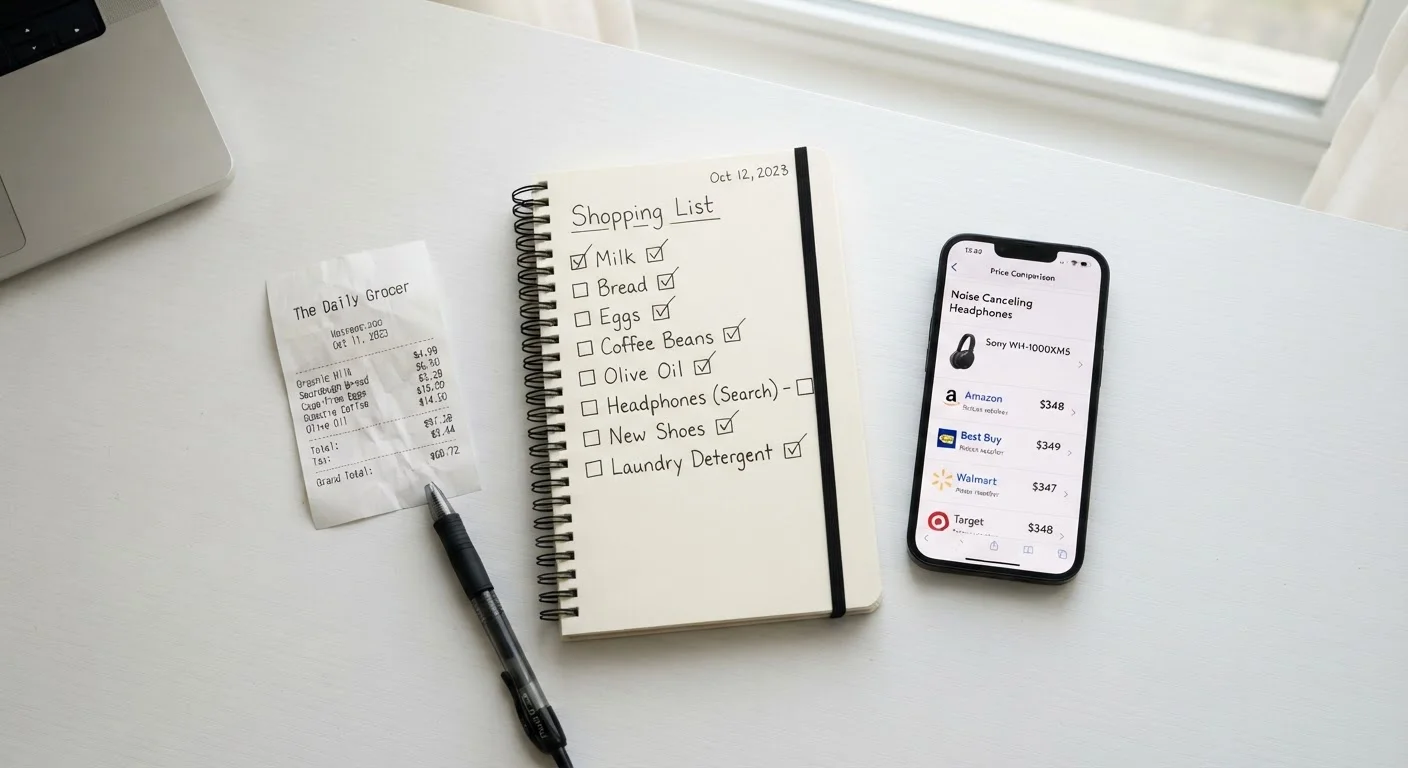
Photo: InsightsVault.com | Interesting Daily Reads editorial
Key Takeaways
- Clarifying your actual need before browsing prevents impulse spending on the wrong product.
- Comparing total cost of ownership - not just sticker price - reveals the true value of any purchase.
- Purchase timing can meaningfully affect price; seasonal and clearance cycles follow predictable patterns.
- Choosing between online and in-store shopping depends on the category, not personal preference alone.
- Saving receipts, registering products, and reviewing return policies protects your purchase after checkout.
Why a Purchase Process Matters
Most buyer's remorse doesn't happen at the register - it happens weeks before, when a decision is made too quickly, too emotionally, or with too little information. A structured purchase process is not about adding friction; it's about replacing regret with confidence.
Whether you're spending $30 or $3,000, the same principles apply: know what you need, understand what you're comparing, choose the right moment and channel, and protect yourself after the sale. This guide walks through each stage with concrete, actionable steps.
For a broader view of how channel choice affects value across different product categories, see our channel-by-category shopping guide.
Stage 1: Define the Real Need
The single most underused step in any purchase decision is asking: what problem am I actually solving? Retailers and algorithms are optimized to get you browsing before you've answered that question.
Write down the specific gap you're trying to fill - not the product, but the outcome. "I need a way to carry a 15-inch laptop and one day's gear on a commute" is more useful than "I need a bag." That specificity filters out dozens of options before you spend any time comparing them.
Deferred Purchases Give You Price Leverage
Also ask whether the need is immediate or deferred. A deferred purchase - one that can wait 30 to 90 days - gives you leverage to time the buy and avoid paying a premium for urgency.
Stage 2: Research and Compare Value
Value is not the same as price. Total cost of ownership includes the purchase price, expected lifespan, maintenance costs, and the cost of replacing it when it fails. A $40 item that lasts two years can cost more per year than an $80 item that lasts six.
During research, focus on three data points:
- Verified user reviews - Look for patterns in negative reviews, not just average star ratings. A product with 4.1 stars and consistent complaints about durability tells you something a 4.3-star rating alone does not.
- Specification comparison - Identify the two or three specs that actually matter for your use case and compare only on those. More features rarely means more value.
- Return and warranty terms - These are part of the product's value, not a footnote. A 30-day return window and a two-year warranty are materially different from a 15-day window and 90-day coverage.
72%
Shoppers who report impulse purchase regret
A survey by CreditCards.com found that roughly 72% of Americans have made an impulse purchase they later regretted, with clothes, food, and household items topping the list.
2-3x
Lifespan difference between quality tiers
Consumer Reports testing across appliance and tool categories regularly finds two-to-three-fold differences in expected lifespan between entry-level and mid-tier products in the same category.
60-90 days
Typical post-launch electronics price drop window
Industry analysts tracking consumer electronics pricing note prices on previous-generation devices frequently decline within 60 to 90 days of a successor launch as retailers clear inventory.
Stage 3: Time the Purchase Strategically
Retail pricing is not static. Most categories follow recognizable seasonal cycles that budget-conscious shoppers can use to their advantage - without relying on manufactured urgency from promotional events.
A few durable patterns worth knowing:
- Appliances tend to see price reductions when new model years arrive, typically in late summer and fall for many categories.
- Outdoor and seasonal goods are discounted at the end of their primary season - patio furniture in August, winter gear in February.
- Consumer electronics often drop in price 60 to 90 days after a new generation launches, as older inventory is cleared.
If your need is not urgent, setting a price alert and waiting for a natural cycle to pass is often more effective than waiting for a promotional event where discounts may be applied to inflated anchor prices.
Set a calendar reminder for 30 days after you first identify a purchase need. Revisiting your decision with fresh eyes often reveals whether urgency was real or manufactured.
When comparing products on price, divide the cost by the expected years of use. A higher upfront cost often wins on a per-year basis once you factor in replacement frequency.
Stage 4: Choose the Right Channel
The online-versus-in-store decision is a practical one, not a preference. Different product categories carry different risk profiles depending on where you buy them.
In-store shopping makes more sense when fit, feel, or immediate availability is critical - furniture, clothing, or items you need the same day. You can also negotiate on floor models, clearance items, or high-ticket purchases at many physical retailers.
Online shopping typically offers wider selection, easier price comparison, and the ability to read extensive reviews before committing. The tradeoffs include return shipping costs, longer waits, and the inability to assess physical quality before buying.
For anyone new to high-value online purchases, this guide to buying big-ticket items online covers what to verify before you commit. For a full breakdown by product category, the Online vs In-Store hub is a useful reference.
Stage 5: Finalize and Protect the Purchase
The moment of checkout is not the end of the process - it's the transition to the protection phase. Several steps taken at or just after purchase reduce the risk of a bad outcome:
- Save the receipt and confirmation in a dedicated folder (physical or digital). Return disputes are far easier with documentation.
- Register the product if a warranty or recall notification system is available. This is especially important for appliances and electronics.
- Review the return window immediately - not when something goes wrong. Knowing you have 14 days versus 60 days changes how quickly you should test the product.
- Check your payment method's protections. Some credit cards extend manufacturer warranties or offer purchase protection as a cardholder benefit. This is general information - terms vary by card and issuer, so consult your cardholder agreement for specifics.
Know Your Return Window Before You Need It
Following a consistent process across purchases - from a $25 household item to a major appliance - builds a habit that compounds over time. The goal isn't perfection on any single transaction; it's reducing the average cost of being wrong.
This article is for general informational purposes only and does not constitute financial or legal advice. Review your own payment and warranty terms with your provider before making purchasing decisions.
The content provided on our blog site traverses numerous categories, offering readers valuable and practical information. Readers can use the editorial team’s research and data to gain more insights into their topics of interest. However, they are requested not to treat the articles as conclusive. The website team cannot be held responsible for differences in data or inaccuracies found across other platforms. Please also note that the site might also miss out on various schemes and offers available that the readers may find more beneficial than the ones we cover.