
A Practical Map to Smarter Shopping Decisions Across Every Channel

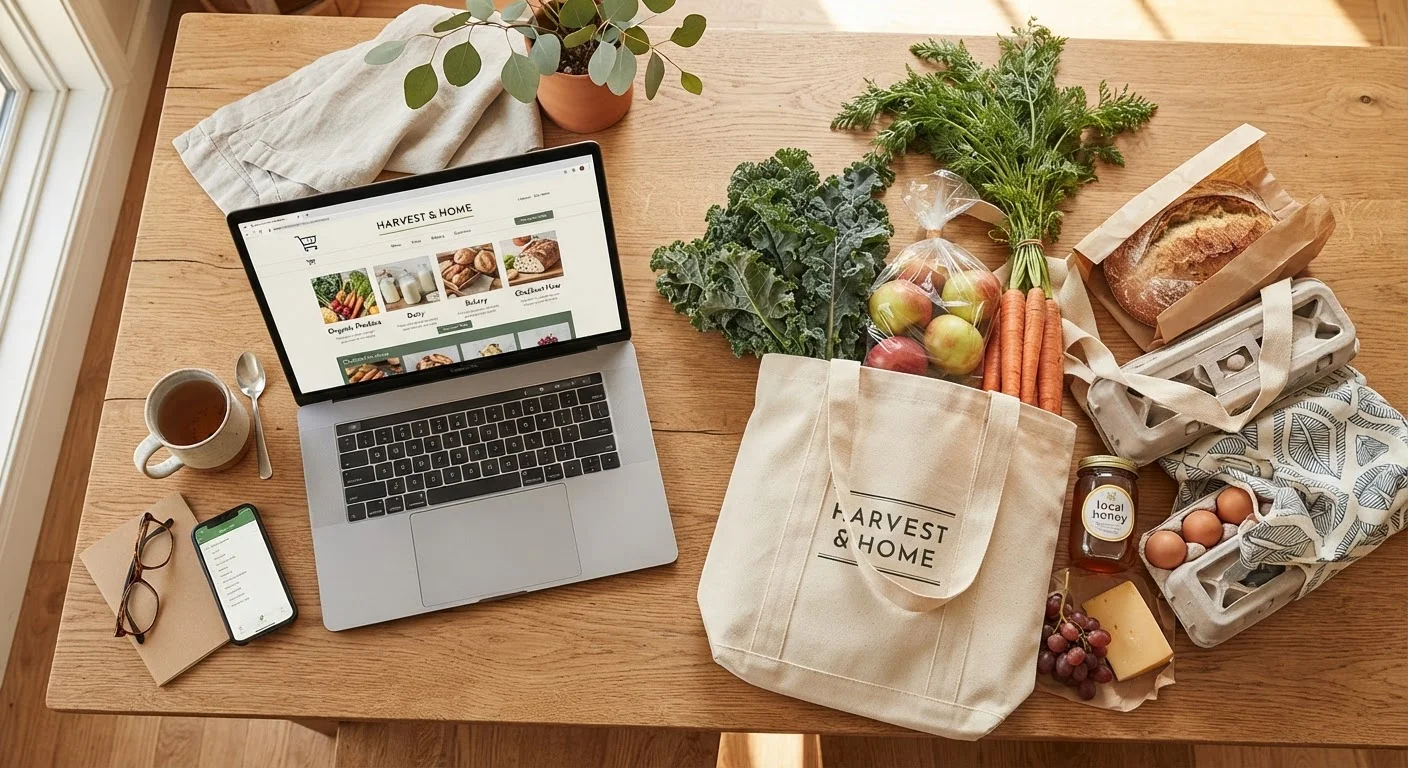
Photo: InsightsVault.com | Interesting Daily Reads editorial
Key Takeaways
- The best shopping channel varies by product category - no single answer fits all purchases.
- Electronics and commodity goods tend to offer more price transparency and competition online.
- Fresh groceries, perishables, and fit-sensitive clothing generally favor in-store shopping.
- Shipping costs and return friction can erase online price advantages on low-cost items.
- A hybrid approach - researching online, buying where value is highest - consistently outperforms loyalty to one channel.
Why Channel Choice Matters for Your Budget
Most shoppers default to habit: they always click to Amazon first, or they always head to the nearest big-box store without questioning the choice. Both habits cost money. The channel you use - online marketplace, retailer website, or physical store - directly affects the price you pay, the quality you receive, and whether a return becomes a headache or a non-event.
For a fuller side-by-side breakdown of how the two channels compare on price, convenience, and returns, see Shopping Channels Side by Side. This guide goes further: it maps those trade-offs to specific product categories so you can make a fast, informed call the next time you need to buy something.
The core principle is simple - match the channel to the category. Each product type has structural reasons why one channel tends to deliver better value, and recognizing those patterns is a reusable skill that pays off on every shopping trip.
Electronics and Tech: Online Usually Wins
Electronics are among the most price-transparent categories in retail. Model numbers are standardized, specs are public, and dozens of retailers compete on the same SKUs. That competition compresses margins online in ways that physical stores - carrying overhead, floor staff, and demo units - cannot easily match.
36%
US adults who comparison-shop online before buying in store
Pew Research Center surveys on consumer behavior have consistently found a large share of shoppers use online tools even for in-store purchases.
30%+
Average online return rate for apparel
Industry analysts at the National Retail Federation have estimated online clothing return rates significantly exceed those for in-store purchases.
Online shopping also unlocks price-history tools that let you verify whether a sale price is genuinely lower than the item's typical going rate. Certified refurbished products, which frequently appear on manufacturer websites and select marketplaces, can offer meaningful savings on items with remaining warranty coverage - though policies vary and should be confirmed before purchase.
The in-store case for electronics is narrower but real: hands-on evaluation before buying a large display, keyboard, or audio device has practical value. If the sensory experience matters, visit a store to confirm your preference, then compare prices across channels before completing the purchase. This research-in-store, buy-where-value-is-highest approach is a cornerstone habit described in our guide to blending online and in-store shopping.
Before buying electronics online, check the price history using a browser extension or third-party tracker - a listed 'sale' price is not always lower than the item's typical going rate.
When ordering clothing online from a brand for the first time, start with a lower-cost item in the category you need - it's an inexpensive way to confirm sizing accuracy before committing to a higher-value purchase.
Groceries and Fresh Food: In-Store Has the Edge
Fresh produce, meat, dairy, and bakery items are categories where in-store shopping consistently delivers better value - not just financially, but in terms of quality control. You can inspect ripeness, check sell-by dates, and select portions that match your actual needs. Online grocery orders remove that control, and substitutions or quality misses can result in waste that offsets any price advantage.
In-store shopping also enables unit-price comparisons that are harder to execute reliably online. Most physical stores are required to display price-per-unit on shelf tags, making it straightforward to compare a store brand against a national brand at a glance. Before your next trip, running through a structured pre-shop checklist - like the one in our Budget Grocery Audit - can further reduce impulse spending and waste.
Online grocery delivery earns its place for shelf-stable, heavy, or bulky staples - laundry detergent, canned goods, paper products - where physical handling is inconvenient and price per unit is easy to verify in advance. For these items, subscribe-and-save arrangements or bulk ordering can reduce per-unit cost, provided the quantity matches your realistic consumption rate.
Clothing and Apparel: It Depends on the Item
Apparel is the category where channel choice carries the most nuance. Fit, fabric feel, and color accuracy are difficult to judge from a screen, and return rates for online clothing purchases are substantially higher than for in-store buys - which means more time, packaging, and sometimes shipping costs spent on corrections.
In-store shopping makes strong sense for items where fit is highly individual: jeans, dress shoes, tailored pieces, and anything sized inconsistently across brands. Trying before buying eliminates the return loop entirely.
Online channels perform well for replenishment purchases - replacing a known size in a brand you already wear, buying basics like socks or plain undershirts, or accessing styles unavailable locally. If you already know the brand's sizing runs large or small, online ordering carries far less risk. Pairing this with discount strategies from our coupon and sale timing guide can add meaningful savings on top of the channel advantage.
Home Goods and Furniture: Size and Fit Matter Most
Large furniture pieces, mattresses, and major appliances present a specific challenge online: dimensions on a product page do not always translate to how a piece will feel, fit, or function in your actual space. Showroom visits allow you to assess scale, material quality, and comfort - factors that photos and reviews cannot fully capture.
For smaller home goods - kitchen tools, organizational bins, lighting accessories - online shopping frequently offers wider selection and sharper prices than local stores. The key is having reliable measurements before ordering anything that needs to fit a specific space.
Return policies matter especially here. Furniture returns often involve freight logistics and restocking fees that can be significant. Reading the return terms before purchasing - not after - is non-negotiable for high-value home items. Our broader guide to every stage of a smart purchase decision walks through how to evaluate these terms as part of pre-purchase research.
Building Your Personal Channel Strategy
The most practical outcome of this guide isn't a rigid rulebook - it's a decision habit. Before any significant purchase, ask two questions: Does physical evaluation affect my satisfaction or fit? And: Is the price difference between channels large enough to matter after factoring in shipping and return risk?
For commodity and standardized goods, online channels typically win on price and selection. For perishables, fit-sensitive items, and large physical goods, in-store shopping reduces friction and waste. And for many purchases, the smartest move is using both channels - researching and comparing online, then completing the transaction wherever the value calculation lands. See our hub on Smart Buying Tips for more frameworks that support this kind of deliberate decision-making.
Shopping channel strategy is also not static. Retailer pricing, shipping thresholds, and local availability all shift over time. Treating your channel defaults as worth revisiting - rather than as settled habits - is itself a money-saving behavior.
This article is for general informational purposes only. Prices, policies, and retailer practices vary and change over time. Always verify current terms directly with the retailer before making a purchase decision.
The content provided on our blog site traverses numerous categories, offering readers valuable and practical information. Readers can use the editorial team’s research and data to gain more insights into their topics of interest. However, they are requested not to treat the articles as conclusive. The website team cannot be held responsible for differences in data or inaccuracies found across other platforms. Please also note that the site might also miss out on various schemes and offers available that the readers may find more beneficial than the ones we cover.