
Getting the Most from Both Worlds: Blending Online and In-Store Shopping

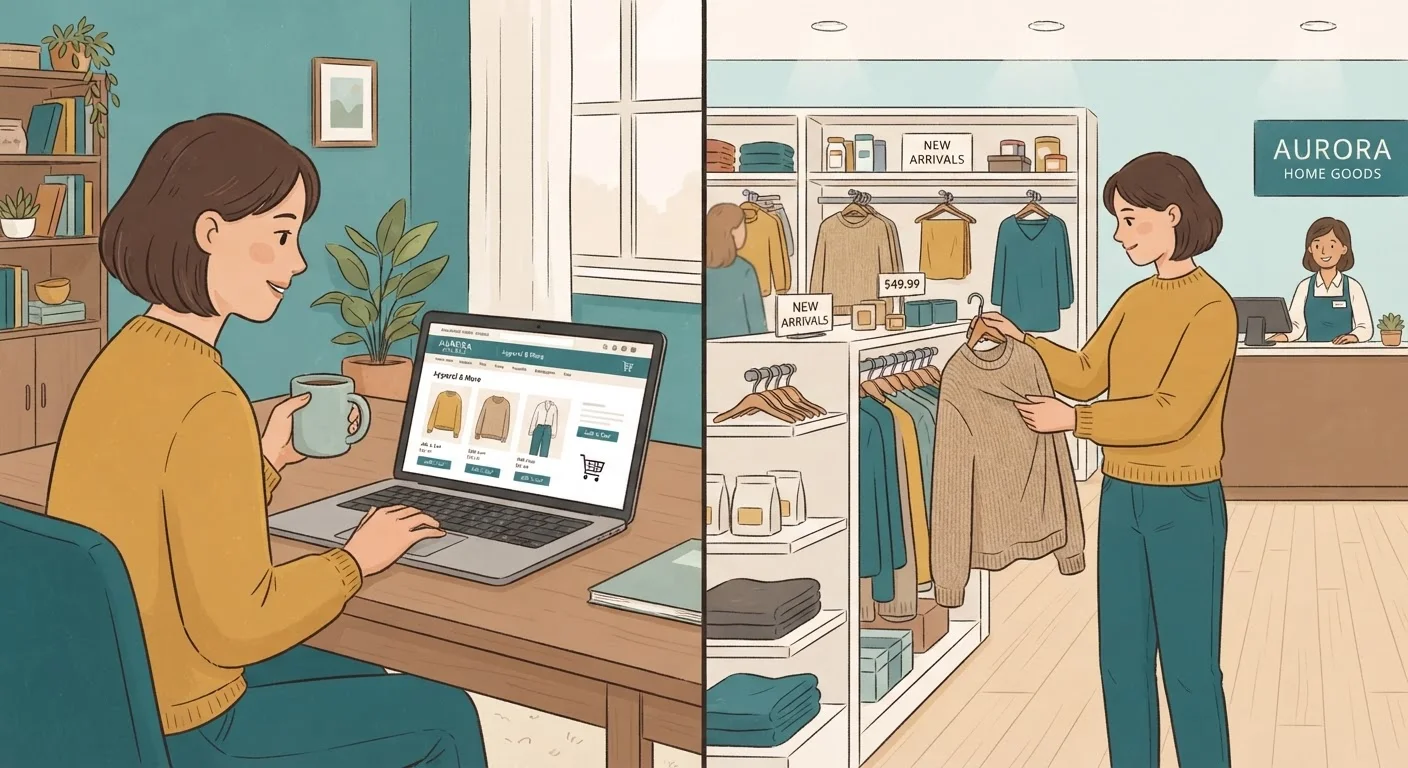
Photo: InsightsVault.com | Interesting Daily Reads editorial
Key Takeaways
- Neither online nor in-store shopping is universally cheaper - the smarter move is knowing when to use each.
- Using store visits to inspect items before buying online can reduce costly return headaches.
- Price-matching policies let you lock in online prices while shopping in person.
- Combining cashback apps with in-store purchases can stack savings across both channels.
- Category matters: groceries, mattresses, and clothing often reward different channel strategies.
Why Picking One Channel Leaves Money on the Table
Most shoppers default to one mode - either scrolling through pages online or heading straight to a store - without asking which channel actually serves them better for a given purchase. That habit is expensive. Prices, convenience, and risk vary significantly by product category, retailer, and even time of year.
The shoppers who consistently spend less aren't loyal to one channel. They treat online and in-store as complementary tools, each with distinct strengths. Understanding those strengths - and when they apply - is the foundation of a genuinely cost-effective shopping habit. For a deeper look at what actually drives price differences between the two, see what actually changes the price you pay.
Best Practices for Blending Both Channels
The following practices reflect how experienced, value-focused shoppers get more from their spending - without doubling their effort.
Use physical stores to research, then buy online when the price is lower
Leverage price-match policies to get online prices in-store
Route time-sensitive or perishable purchases through physical stores
Stack cashback apps on in-store purchases, not just online orders
Buy bulky or heavy items online to avoid transport hassle and markup
Check return policies before choosing a channel for high-risk purchases
Quick Actions You Can Take Today
You don't need to overhaul your entire shopping routine to see results. A few targeted habits, applied consistently, make a measurable difference. Start here:
For a broader framework on which channel suits each product category, this practical channel map breaks it down by purchase type. And if you're deciding between curbside pickup and home delivery, this comparison of pickup vs. delivery covers the cost trade-offs clearly.
Making the Strategy Stick
Blending channels works best when it becomes a low-effort default, not a research project before every purchase. A few structural habits help: bookmark a price-comparison tool, keep a running shopping list that flags which items need an in-store look, and check your preferred cashback app before checkout regardless of where you're buying.
Coordinating cashback apps and coupons is one of the more underused tactics - many shoppers don't realize these can often be stacked on the same purchase, both in-store and online. Similarly, adapting your coupon approach by category can sharpen how you use discounts across grocery, retail, and services.
The goal isn't complexity - it's building a reliable mental checklist that takes 60 seconds before you commit to a purchase. Over time, those small pauses add up to real savings without requiring constant deal-hunting. More general guidance on avoiding overspending traps is available through the Smart Buying Tips hub.
The content provided on our blog site traverses numerous categories, offering readers valuable and practical information. Readers can use the editorial team’s research and data to gain more insights into their topics of interest. However, they are requested not to treat the articles as conclusive. The website team cannot be held responsible for differences in data or inaccuracies found across other platforms. Please also note that the site might also miss out on various schemes and offers available that the readers may find more beneficial than the ones we cover.