
Curbside Pickup vs Home Delivery: Choosing the Option That Saves You More

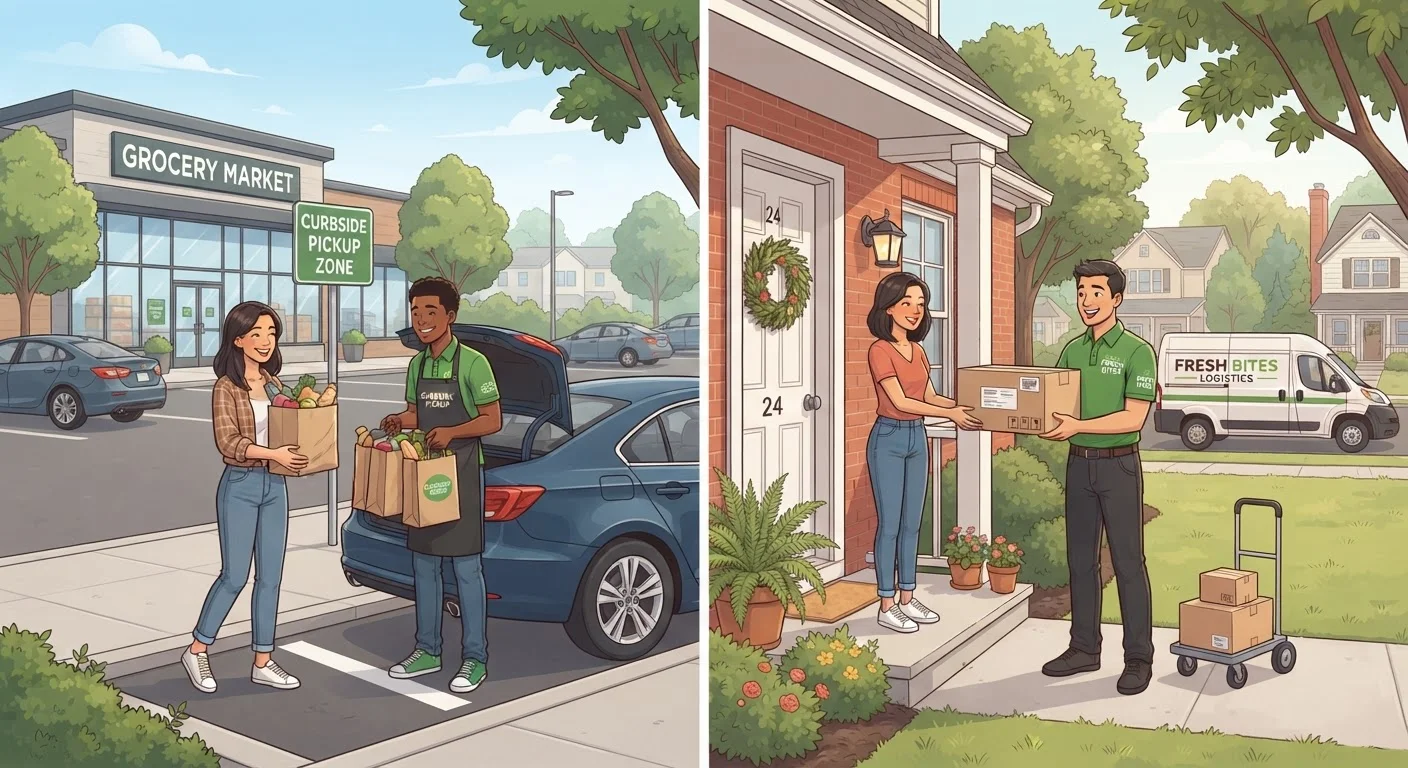
Photo: InsightsVault.com | Interesting Daily Reads editorial
Key Takeaways
- Curbside pickup typically avoids delivery fees but requires a trip to the store, which has its own fuel and time costs.
- Home delivery charges vary widely - fees, tips, and membership costs can add $10-$20 or more per order.
- Order minimums and surge pricing are common with delivery, while pickup orders rarely carry those conditions.
- Neither option is universally cheaper - the right choice depends on your location, order size, and how you value your time.
- Combining both methods strategically can produce the best overall savings across different shopping trips.
The Real Cost Breakdown
On the surface, curbside pickup looks like the clear winner on cost: most major retailers offer it free with no minimum order. But that calculation ignores your driving costs. A 10-mile round trip at the IRS standard mileage rate (67 cents per mile in 2024) adds about $6.70 to your pickup order - before accounting for your time. If you're combining the stop with another errand, that cost shrinks considerably. If it's a dedicated trip, it adds up.
Home delivery carries more transparent fees, but they vary dramatically by retailer and platform. A grocery delivery from a third-party app might cost $4-$10 in delivery fees, plus a suggested tip of 15-20%, plus a service fee. On a $60 grocery order, total add-ons can reach $18-$22. Retailer-direct delivery programs often charge less, and annual membership plans can reduce or eliminate per-order fees - but only if you order frequently enough for the membership to pay for itself.
| Criterion | Curbside Pickup | Home Delivery |
|---|---|---|
| Typical fee | Free at most retailers | $4-$10 per order (varies) |
| Tip expected | No | Yes (15-20% common) |
| Order minimum | Rarely required | Often $35-$50 for free delivery |
| Your travel cost | Fuel/mileage to store | None |
| Time investment | Drive time + wait | Time at home only |
| Substitution control | Review before leaving lot | Often resolved after delivery |
| Surge pricing risk | None | Common during peak hours |
| Membership needed for savings | No | Often yes, to offset fees |
For a fuller look at how these fulfillment models sit within the broader online-versus-in-store picture, see our side-by-side shopping channel comparison.
Hidden Variables That Shift the Math
A few factors rarely appear in the headline comparison but meaningfully affect your total cost:
- Order minimums: Many delivery services require a $35-$50 minimum before waiving delivery fees, or apply a small-order surcharge below that threshold. Curbside pickup almost never imposes minimums.
- Surge and peak pricing: Delivery fees frequently rise during evenings, weekends, and holidays - exactly when many people shop. Pickup pricing is static.
- Substitution accuracy: When an item is out of stock, delivery pickers make substitution calls you may not see until the order arrives. Pickup allows you to review or reject substitutions at the curb before driving away.
- Tip expectations: Tipping is standard practice for delivery drivers and represents a real cost that's easy to undercount when budgeting.
$18-$22
Typical add-on costs per delivery order
Estimated total of delivery fee, service fee, and tip on an average $60 grocery delivery via a third-party platform.
$6.70
Estimated driving cost per 10-mile pickup trip
Based on the IRS standard mileage rate of 67 cents per mile for 2024; actual cost varies by vehicle and fuel price.
$35-$50
Common delivery order minimums
Many grocery delivery platforms and retailer apps require this basket size before waiving or reducing delivery fees.
If reducing what you spend getting around is already part of your strategy, our guide to cutting transport costs covers how to make pickup trips more efficient.
When to Use Each - and When to Mix Both
The most cost-effective shoppers don't pick a single method and stick to it. They route based on order type, schedule, and location. A practical framework:
- Use pickup for weekly staples: Predictable, high-volume grocery orders are ideal for curbside - no fee, no tip, and you can schedule a slot that fits an existing commute.
- Use delivery for heavy or bulky items: Hauling a case of water or a 40-pound bag of dog food to your car - and then again into your home - is labor delivery fees can legitimately offset. For savings on those pet supplies specifically, see the low-cost pet care hub for strategies on reducing recurring costs.
- Use delivery when it's genuinely inaccessible otherwise: Bad weather, illness, or a packed schedule can make delivery the rational choice even for budget-minded shoppers.
For a deeper playbook on blending channels strategically, this guide to combining online and in-store shopping is worth a read. The goal isn't loyalty to one method - it's matching the right tool to the right trip. That discipline, applied consistently, is where the real savings accumulate.
Membership Math: Does It Pay Off?
The content provided on our blog site traverses numerous categories, offering readers valuable and practical information. Readers can use the editorial team’s research and data to gain more insights into their topics of interest. However, they are requested not to treat the articles as conclusive. The website team cannot be held responsible for differences in data or inaccuracies found across other platforms. Please also note that the site might also miss out on various schemes and offers available that the readers may find more beneficial than the ones we cover.