
Fixed vs. Variable Expenses: What Every Budget Actually Contains

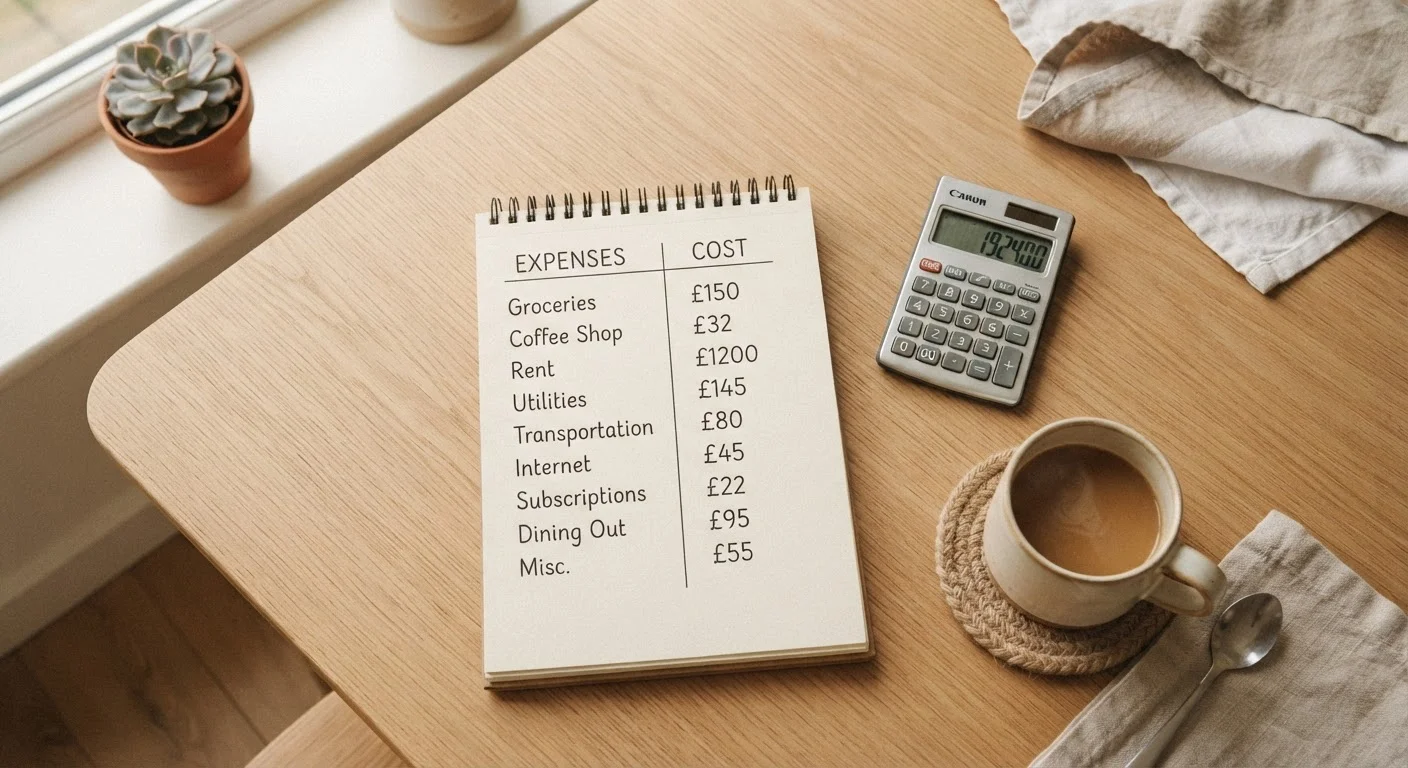
Photo: InsightsVault.com | Interesting Daily Reads editorial
Key Takeaways
- Fixed expenses are predictable and stay the same each month; variable expenses shift based on your behavior or usage.
- Most budgets contain both types, and a few expenses blend characteristics of each.
- Variable expenses are generally easier to reduce without major lifestyle disruption.
- Knowing your total fixed costs helps you identify the minimum income you need each month.
- Treating saving as a fixed expense is a widely recommended strategy for building financial stability.
The Two Building Blocks of Every Budget
When you sit down to build a budget, the numbers in front of you aren't all the same kind of thing. Some costs are locked in - they show up the same amount every single month whether you like it or not. Others move around depending on what you do, how much you drive, or what you cook for dinner. This distinction - fixed versus variable - is one of the most useful frameworks in everyday budgeting.
Understanding which category each of your expenses falls into tells you something important: where you have control, and where you don't. It also tells you the minimum amount of money you need to get through any given month without falling behind. That's a number worth knowing.
For a broader look at how your spending breaks down into categories, see how to divide your budget into spending categories without overcomplicating it.
~67%
Americans living paycheck to paycheck
Various surveys over recent years have consistently found that a substantial majority of U.S. adults report having little financial cushion after covering monthly expenses.
3-4
Categories most people underestimate
Research on consumer spending patterns suggests most people significantly underestimate their spending in several key variable categories such as food, transportation, and personal care.
Fixed Expenses: The Predictable Foundation
A fixed expense is any cost that remains the same from one billing period to the next. You've typically committed to it in advance - through a lease, a loan agreement, or a service contract - and the amount doesn't change based on how much you use it.
Common fixed expenses include:
- Rent or mortgage payments
- Car loan or lease payments
- Health, auto, and renters insurance premiums
- Fixed-rate loan payments (student loans, personal loans)
- Streaming or subscription services at a flat monthly rate
The advantage of fixed expenses is that they're easy to plan around. You know exactly what's coming out each month, so you can build the rest of your budget on top of that foundation. The downside is that they're harder to reduce quickly. Cutting a fixed expense usually means making a significant change - like moving to a less expensive apartment, refinancing a loan, or canceling a service entirely.
Add up all your fixed expenses and you've found your monthly floor - the minimum you need to earn or have available just to stay current on your commitments. This number matters especially if your income varies month to month. For more on planning around an unpredictable paycheck, see budgeting strategies for irregular income.
Variable Expenses: Where Your Choices Live
Variable expenses are costs that change based on your behavior, usage, or circumstances. They're not locked in by a contract, and the amount you spend is at least partly within your control month to month.
Common variable expenses include:
- Groceries and household supplies
- Gasoline and transportation costs
- Dining out and takeout
- Utilities (electric, gas, water)
- Clothing and personal care
- Entertainment and hobbies
Variable expenses are where most people find room to adjust their spending without dramatic lifestyle changes. Cooking at home more often, being deliberate about discretionary purchases, and tracking utility usage are all levers that affect variable costs directly.
That said, variable doesn't mean optional. Groceries are variable in amount but not in necessity. The goal isn't to eliminate variable expenses - it's to understand them well enough to make deliberate choices. Mapping where your money actually goes each month is a useful first step before trying to cut anything.
Track Variable Spending for One Full Month
Semi-Variable Expenses and Why They Complicate Budgets
Not every expense fits neatly into one category. Semi-variable expenses - sometimes called mixed costs - have both a fixed component and a variable one. A cell phone plan might charge a flat monthly rate plus overage fees if you exceed your data limit. An electricity bill may include a fixed service charge alongside usage-based costs.
These expenses deserve their own attention in your budget because they can surprise you. If you budget for the fixed portion only and then face higher usage in a given month, you'll come up short. A practical approach: look at several months of statements for each semi-variable bill and budget for the average - or, for critical expenses, the highest recent amount.
Car ownership is a good example of a spending area with all three types: your loan payment is fixed, your gas spending is variable, and your insurance deductible situations and maintenance costs can be semi-variable or irregular. See how to build a realistic monthly car budget for a practical framework that accounts for all of them.
How to Use This Framework in Your Own Budget
Separating your expenses into fixed and variable categories isn't just an academic exercise - it changes how you approach your budget in practical ways.
- Start with fixed expenses. List everything that comes out automatically or on a set schedule at the same amount. This tells you your non-negotiable monthly total.
- Track variable expenses for at least one month. Don't guess - look at actual bank and card statements to see what you actually spent in each variable category.
- Identify where you have flexibility. Variable expenses are where targeted adjustments can have a fast impact. Fixed expenses offer bigger savings but require bigger decisions.
- Consider treating savings as fixed. Setting aside a consistent amount before spending on variable costs - often called paying yourself first - is a widely recommended approach to building savings over time. To think through which savings approach fits your situation, see saving a fixed amount vs. saving a percentage of income.
This article provides general financial education and is not personalized financial advice. For guidance specific to your situation, consider consulting a qualified financial professional.
Frequently Asked Questions
The content provided on our blog site traverses numerous categories, offering readers valuable and practical information. Readers can use the editorial team’s research and data to gain more insights into their topics of interest. However, they are requested not to treat the articles as conclusive. The website team cannot be held responsible for differences in data or inaccuracies found across other platforms. Please also note that the site might also miss out on various schemes and offers available that the readers may find more beneficial than the ones we cover.