
Where Your Money Actually Goes Each Month

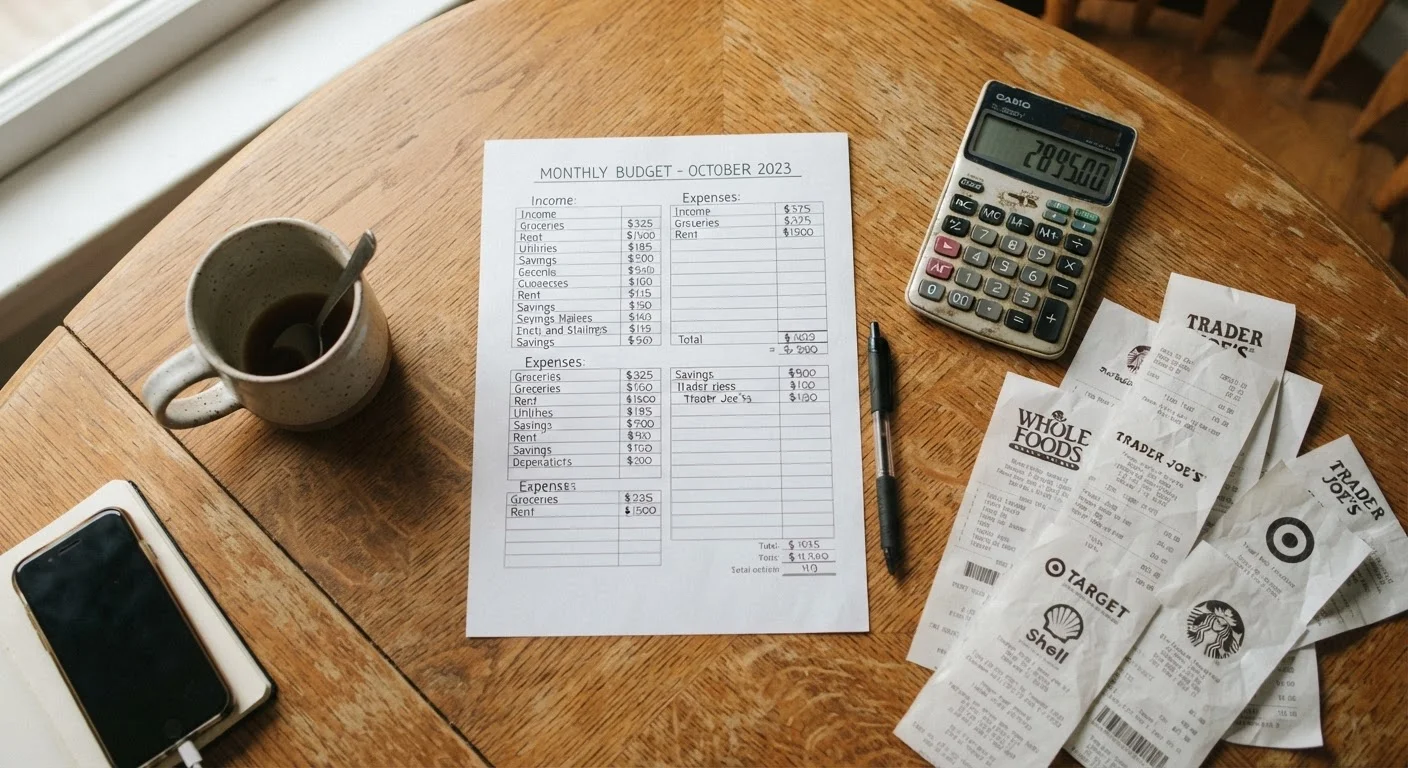
Photo: InsightsVault.com | Interesting Daily Reads editorial
Key Takeaways
- Most people underestimate spending in transportation, food, subscriptions, and personal care.
- Irregular expenses - annual fees, car maintenance, vet bills - are the most commonly missed budget items.
- Mapping actual spending before cutting anything prevents misdirected budget cuts.
- Small, consistent overages in multiple categories compound into significant annual shortfalls.
- Tracking even 30 days of real spending reveals patterns that estimates never capture.
Why Your Mental Estimate Is Almost Always Wrong
Ask most people how much they spend each month, and they'll cite their rent, car payment, and utilities - then round up slightly for groceries and assume that's close enough. It rarely is. The gap between estimated and actual spending is one of the most consistent patterns in personal finance, and it's not a reflection of carelessness. It's a structural problem with how we remember spending.
Fixed, predictable bills are easy to recall accurately. Variable and irregular costs are not. A $14 streaming service feels negligible in isolation. A quarterly car registration, a vet visit, a birthday dinner, an impulse Amazon order - each one seems like an exception. But when you add them up across a full month, these "exceptions" often account for hundreds of dollars that never appear in anyone's mental budget.
Understanding the difference between fixed and variable expenses is the first step toward seeing your spending clearly. Variable costs are where the surprises hide.
~$1,500
Average annual subscription spending per U.S. household
Consumer research from West Monroe Partners found that most households significantly underestimate their total subscription costs when surveyed without access to their statements.
40%
Of food spending that goes to away-from-home meals
The U.S. Bureau of Labor Statistics Consumer Expenditure Survey consistently finds that a large share of household food budgets goes to restaurants, takeout, and delivery rather than groceries.
$9,000+
Average annual cost to own and operate a vehicle
AAA's annual Your Driving Costs report estimates total vehicle ownership costs including depreciation, insurance, fuel, and maintenance for the average American driver.
The Four Categories That Consistently Surprise People
Food and drink is the most common culprit. Grocery estimates tend to be fairly accurate, but the same households that budget carefully for supermarket trips routinely undercount takeout, coffee runs, work lunches, and meal delivery fees. These costs can quietly double a household's actual food spend. For a closer look at where grocery budgets leak, see common grocery habits that cost more than you realize.
Transportation is the second major blind spot. Most people count their car payment and insurance premium - but maintenance, fuel fluctuations, parking, tolls, and ride-share trips go untracked. Building a realistic monthly car budget requires accounting for costs that don't arrive on a predictable schedule.
Subscriptions and memberships accumulate invisibly. A streaming service added during a free trial, a gym membership used twice, an annual software renewal - individually trivial, collectively significant. Many households carry six to ten active subscriptions without a clear mental inventory of what they're paying.
Personal care and household supplies round out the list. These purchases happen frequently, vary in amount, and rarely feel large - which is precisely why they're hard to estimate accurately.
How to Build Your Actual Spending Map
The goal isn't perfection - it's accuracy. Start by pulling 30 days of transaction data from your bank and credit card statements. Don't rely on memory. Assign every transaction to a category, including the small ones. Pay particular attention to any charge that recurs automatically, since these are easy to forget and hardest to catch without a statement review.
Next, account for cash and non-card spending. If you regularly use cash for coffee, parking, or small purchases, estimate conservatively and add it as a line item. Untracked cash is one of the most common sources of unexplained budget deficits.
Finally, annualize irregular expenses. If you spent $400 on car maintenance last quarter, that's roughly $133 per month - a cost that belongs in your monthly picture even when no bill arrived this month. The same logic applies to insurance renewals, annual subscriptions, and seasonal spending spikes.
Annualize Before You Cut Anything
Once you have a complete picture, you're ready to do something meaningful with it. The monthly spending audit checklist walks through this process category by category and helps you spot recurring charges you may have overlooked.
From Map to Action: Small Habits That Add Up
The value of a spending map isn't the map itself - it's what it shows you. Most households find that two or three specific categories account for the bulk of their overspending. Targeted adjustments to those categories produce far better results than vague commitments to "spend less."
Small, consistent changes in high-frequency spending categories compound meaningfully over a year. Reducing unplanned food spending by $15 per week adds up to $780 annually. Canceling two unused subscriptions at $12 each saves $288. Neither change requires significant sacrifice - they require awareness first, then a single decision.
To make these adjustments stick month over month, the monthly budget reset checklist provides a structured process for reviewing last month's actuals, adjusting category targets, and setting realistic intentions for the month ahead. The Budgeting Basics hub also offers additional frameworks for tracking and planning.
This article is for general informational purposes only and does not constitute personalized financial advice. Consider consulting a qualified financial professional for guidance specific to your situation.
Frequently Asked Questions
The content provided on our blog site traverses numerous categories, offering readers valuable and practical information. Readers can use the editorial team’s research and data to gain more insights into their topics of interest. However, they are requested not to treat the articles as conclusive. The website team cannot be held responsible for differences in data or inaccuracies found across other platforms. Please also note that the site might also miss out on various schemes and offers available that the readers may find more beneficial than the ones we cover.