
Keeping Emergency Savings Separate From Everyday Accounts

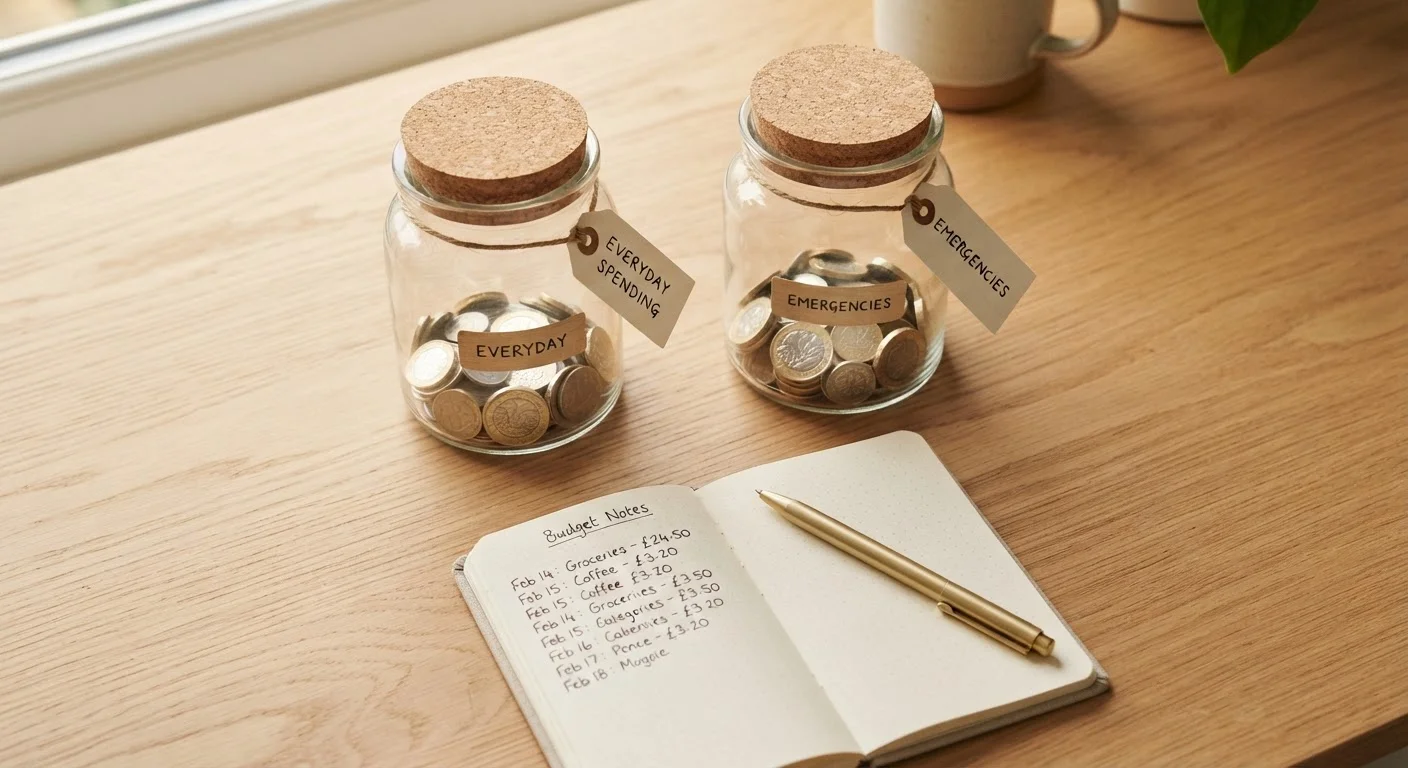
Photo: InsightsVault.com | Interesting Daily Reads editorial
Key Takeaways
- Storing emergency savings in the same account as spending money makes accidental spending almost inevitable.
- A dedicated emergency fund account creates a psychological and practical barrier against impulse use.
- Automating transfers to a separate account builds the fund steadily without relying on willpower alone.
- Your emergency fund target is typically three to six months of essential living expenses.
- A high-yield savings account can be a suitable home for emergency funds while keeping them accessible.
Why Separation Matters More Than the Amount
Most people understand they should have an emergency fund. Fewer realize that where they keep it is just as important as how much they save. When emergency savings sit in the same checking account as your grocery money and rent payment, the boundary between "money I can spend" and "money I must not touch" disappears entirely.
Research in behavioral economics consistently shows that people spend money that feels available. If your emergency fund looks like a high checking account balance, it will often get spent - on a dinner out, an unplanned purchase, or a minor repair that could have been handled differently. The fund evaporates not through one dramatic decision but through dozens of small ones.
Keeping the money in a physically separate account - ideally at a different institution - introduces what behavioral economists call "friction": a deliberate delay or extra step between impulse and action. That friction is protective. It gives you time to ask whether the expense is a true emergency before the money is gone. For a deeper look at how an emergency fund differs from other saving tools, see our guide on emergency fund vs. sinking fund.
What You'll Need Before You Start
Setting up a separate emergency savings account is straightforward, but a little preparation makes the process smoother.
What you will need
A dedicated savings account
Holds your emergency fund separately from spending money, ideally at a different institution to add friction.
A monthly budget or expense tracker
Helps you calculate your essential monthly expenses so you can set a realistic savings target.
Automatic transfer feature (bank app or online portal)
Schedules recurring contributions to your emergency fund without requiring manual action each month.
Step-by-Step: Setting Up Your Separate Emergency Fund
Follow these steps to move your emergency savings out of your everyday account and into a protected, dedicated home.
Calculate your target amount
Add up your essential monthly expenses: rent or mortgage, utilities, groceries, transportation, insurance premiums, and minimum debt payments. Multiply that total by three for a lean target, or by six if your income is variable or your household has a single earner. Write this number down - it becomes your goal.
Open a dedicated savings account
Open an account used exclusively for your emergency fund. Many people find it helpful to choose a bank or credit union that is different from their primary checking account - the extra transfer step discourages casual withdrawals. Look for an account with no monthly fees and easy online access. A high-yield savings account can be a practical choice since it offers higher interest than a standard savings account while keeping funds accessible.
Make an initial deposit
Transfer whatever amount you can manage today - even a small sum - into the new account. This activates the account and, more importantly, starts the habit. You don't need to fund the entire target at once. The goal at this stage is simply to give the account a purpose and a balance.
Set up automatic recurring transfers
Schedule a recurring transfer from your checking account to your emergency fund account on or just after your payday. Even a fixed amount - say, $25 or $50 per paycheck - compounds meaningfully over time. Automating the transfer removes the decision from your monthly to-do list, which dramatically improves consistency. For guidance on sizing these transfers to fit your cash flow, see our guide to automating savings without disrupting your budget.
Remove friction-reducing features from the emergency account
If the account comes with a debit card, consider declining it or storing it somewhere inconvenient. Disable overdraft protection links between the emergency account and your checking account. The goal is to make the money available in a genuine crisis - not in three clicks on a Tuesday afternoon. Any access method that requires a deliberate transfer step is preferable to instant spending ability.
Review and adjust contributions every few months
Revisit your target amount whenever your expenses change significantly - after a move, a new dependent, or a job change. If you've used part of the fund, pause other non-essential saving goals temporarily and redirect funds to replenish it. Think of the emergency fund as a living part of your budget, not a set-and-forget item. You may also find it useful to revisit your broader budgeting approach to ensure your contributions stay realistic.
Small Contributions Add Up Faster Than You Think
Common Mistakes to Avoid
Even with a dedicated account in place, a few pitfalls can undermine your fund over time.
Don't Skip Rebuilding After a Withdrawal
Using it for non-emergencies: An emergency fund covers job loss, a medical bill, or a car repair that makes your vehicle undrivable - not a vacation or a sale you don't want to miss. If you find yourself frequently debating whether something qualifies, it probably doesn't. For planned irregular expenses like annual insurance premiums or holiday gifts, a sinking fund is the right tool instead.
Stopping contributions once you hit a milestone: Inflation, income changes, and new expenses mean your three-to-six-month target should be recalculated periodically. Make it a habit to review the figure annually.
Choosing an account that's too easy to access: A debit card linked to your emergency fund defeats the purpose. Opt for an account without a debit card, or one at a separate bank requiring a transfer before you can spend. You can explore how different account types affect accessibility and growth in our comparison of high-yield and regular savings accounts.
This article provides general financial education and is not personalized financial advice. Consult a qualified financial professional for guidance specific to your circumstances.
The content provided on our blog site traverses numerous categories, offering readers valuable and practical information. Readers can use the editorial team’s research and data to gain more insights into their topics of interest. However, they are requested not to treat the articles as conclusive. The website team cannot be held responsible for differences in data or inaccuracies found across other platforms. Please also note that the site might also miss out on various schemes and offers available that the readers may find more beneficial than the ones we cover.