
Your Emergency Fund Starter Checklist

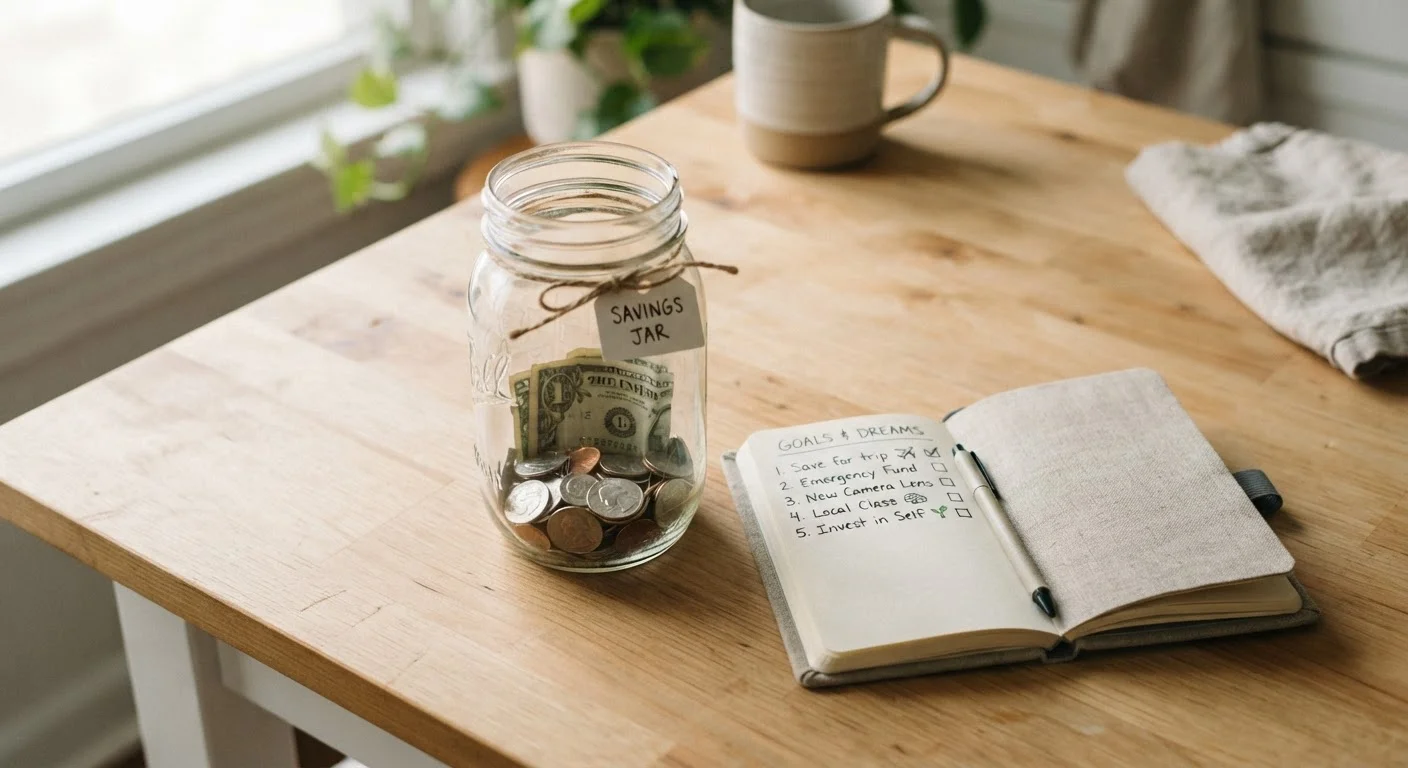
Photo: InsightsVault.com | Interesting Daily Reads editorial
Key Takeaways
- An emergency fund covers unexpected essential expenses - not everyday spending or planned purchases.
- Most financial educators suggest starting with a target of three to six months of essential living costs.
- Keeping your emergency fund in a separate account reduces the temptation to spend it.
- Automating small, regular transfers is one of the most reliable ways to build savings consistently.
- Your first goal can be modest - even $500 to $1,000 provides a meaningful buffer for many households.
Why This Checklist Exists
Most people know they should have an emergency fund. Fewer feel confident they've actually set one up correctly. This checklist walks you through every meaningful decision point - from defining what your fund is for, to choosing where to keep it, to staying the course once it's running.
Work through it at your own pace. Some steps take five minutes; others may prompt a short conversation with a partner or a quick look at last month's bank statement. The goal isn't speed - it's clarity. For broader context on how emergency saving fits into your overall financial picture, see the Saving Fundamentals guide.
This article is for general financial education purposes only and does not constitute personalised financial advice. Consider consulting a licensed financial professional regarding your specific situation.
What You'll Need Before You Start
Before diving into the checklist, gather a few pieces of information. Having these on hand will help you answer the key questions accurately rather than guessing.
Last 2-3 months of bank or credit card statements
Used to calculate your average monthly essential expenses - the foundation of your savings target.
A simple spreadsheet or budgeting app
Helps you track contributions and monitor progress toward your savings goal.
Your current account login credentials
Needed to open a new savings account or set up automatic transfers if you choose to do so online.
A notepad or digital notes app
Useful for jotting down your target amount, contribution plan, and account details as you work through the checklist.
The Emergency Fund Checklist
Work through each group in order. Items marked must are non-negotiable foundations. Items marked should are strongly recommended once the basics are in place.
Define Your Purpose
Set a Realistic Target
Choose the Right Account
Fund It Consistently
Protect and Maintain It
Replenish After Every Withdrawal
Keeping Your Fund Working for You
Once your emergency fund is open and funded - even partially - the most important thing is to leave it alone. That means resisting the urge to dip into it for non-emergencies like a sale, a vacation, or a predictable annual expense you simply forgot to budget for.
A practical safeguard is physical and mental separation: keep your emergency savings in an account that is not linked to your debit card or daily checking account. This friction is intentional. For a deeper look at why that separation matters and how to set it up, read Keeping Emergency Savings Separate From Everyday Accounts.
Finally, revisit this checklist every six to twelve months. Life changes - new expenses, income shifts, a growing family - can all affect how much of a cushion you genuinely need. Pair this habit with your regular budget reviews. If you haven't set up a monthly budget yet, the Budgeting Basics hub is a practical place to start.
Avoid These Common Early Mistakes
The content provided on our blog site traverses numerous categories, offering readers valuable and practical information. Readers can use the editorial team’s research and data to gain more insights into their topics of interest. However, they are requested not to treat the articles as conclusive. The website team cannot be held responsible for differences in data or inaccuracies found across other platforms. Please also note that the site might also miss out on various schemes and offers available that the readers may find more beneficial than the ones we cover.