
Free and Low-Cost Activities in Popular Travel Destinations

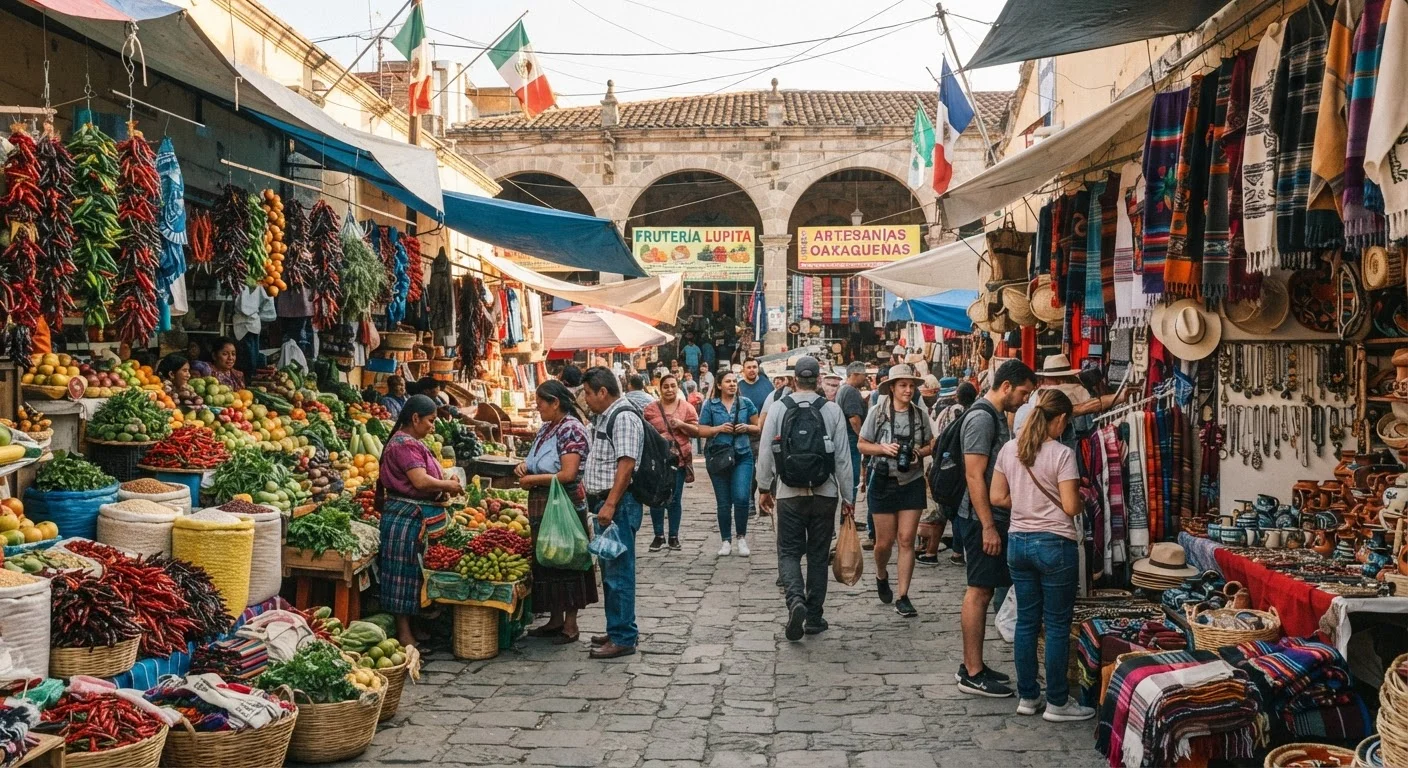
Photo: InsightsVault.com | Interesting Daily Reads editorial
Key Takeaways
- Most popular destinations offer a significant number of free or very low-cost activities that tourists routinely overlook.
- City parks, public markets, walking trails, and cultural neighborhoods cost nothing to explore and often reveal more than paid attractions.
- Free museum days, civic festivals, and outdoor performances are widely available but require advance research to find.
- Shifting your itinerary toward free activities doesn't mean sacrificing quality - it usually improves the authenticity of your trip.
- Local tourism boards and city websites are reliable sources for current free event listings without upsells.
Why Free Activities Deserve a Place in Your Itinerary
Every popular travel destination has two economies running in parallel: the paid tourist circuit and the genuinely local one. The second is almost always cheaper - and frequently more interesting. Paid attractions capture your attention in guidebooks; free ones are where residents actually spend their time.
The case for building free activities into your trip isn't just about saving money, though that matters. It's about getting a more honest read on a place. A city's free outdoor spaces, neighborhood markets, and public cultural events reflect how people actually live there - something no admission-ticketed experience can fully replicate.
Pair free activities with smart spending on food and transport and your daily on-the-ground costs can drop significantly. For guidance on keeping food costs in check alongside this, see eating well abroad on a budget. And if you're wary of walking into tourist traps while hunting for free things to do, spotting and avoiding tourist traps covers the red flags to watch for.
Public Parks and Green Spaces
Nearly every major tourist city maintains large public parks that are free to enter and offer a genuine cross-section of local life. These aren't just rest stops - they host concerts, markets, fitness classes, cultural ceremonies, and seasonal events throughout the year. Many are also architecturally or historically significant in their own right.
The key is treating them as destinations, not as in-between spaces. Check a park's official website or the city's events calendar for scheduled programming during your visit. Free guided walks and ranger-led nature programs are common in larger urban parks and typically require only advance registration.
City parks regularly host free concerts, cultural events, and guided programs that most visitors never look for.
Neighborhood Walking Routes
Self-guided walking routes through historic districts, waterfront areas, or culturally significant neighborhoods cost nothing and often cover far more ground - and context - than a paid bus tour. Many cities produce official walking trail maps available as free downloads through their tourism offices.
Architecture, street art, local shops, and community gathering spots all become visible at walking pace in a way they simply aren't from a tour bus window. If a destination has distinct neighborhoods with their own character, allocate at least a half-day to each rather than just passing through on the way to ticketed attractions.
A well-planned neighborhood walk reveals more about a city than most paid tours - at zero cost.
Free Museum Days and Civic Cultural Sites
A wide range of museums, galleries, and cultural institutions offer free admission on specific days or evenings - often weekly or monthly. These aren't limited to small venues; major national museums in many countries operate partially or fully on public funding and offer free general admission year-round.
Civic cultural sites - government buildings, historic squares, war memorials, public art installations - are almost universally free. These are often the most historically significant sites in a destination and attract far less crowd pressure than ticketed equivalents.
Nationally funded museums often offer free general admission - a fact many visitors don't check before paying elsewhere.
Public Markets and Street Food Strips
Farmers' markets, flea markets, and covered food halls are free to browse and provide a concentrated window into local agriculture, craftsmanship, and food culture. Even if you don't buy anything, a market visit is a substantive experience - and the free samples in food markets can amount to a respectable mid-morning snack.
Street food strips adjacent to markets are generally among the most affordable eating options in any city. Spending a morning at a market and eating lunch from a nearby street stall is a practical combination that keeps both entertainment and food budgets low simultaneously.
Public markets cost nothing to enter and usually sit next to some of the most affordable street food in the city.
Outdoor Performances and Public Festivals
Most cities with active cultural programs schedule outdoor performances - concerts, theater, film screenings, folk dance performances - at regular intervals throughout the year, particularly in summer. These are usually produced by the city itself or by arts nonprofits with public funding, meaning admission is free or offered on a pay-what-you-can basis.
Community festivals tied to local religious holidays, harvest seasons, or civic anniversaries frequently feature music, traditional food, and cultural demonstrations without any entry charge. A quick search of a city's official events calendar - rather than tourism aggregator sites - is the most reliable way to find these.
City-funded outdoor performances and community festivals happen in most destinations throughout the year - and almost nobody charges admission.
Beaches, Waterfronts, and Natural Landmarks
Public beaches, river walks, coastal paths, and accessible natural landmarks operate outside the paid attraction economy in most destinations. Access is typically free, and the infrastructure - paths, picnic areas, viewpoints - is maintained at public expense.
The practical advantage for budget travelers is that these sites scale to however much time you have. A beach or coastal trail fills a full day without any incremental spend beyond whatever you bring with you. Combined with packed food from a local market, it's one of the most cost-effective ways to structure a travel day.
Public beaches and waterfronts scale to a full day's activity with zero entry cost - pack food from a market and you've covered the day cheaply.
Putting It All Together
The travelers who spend least on activities without feeling like they're missing out tend to do one thing consistently: research free options before they research paid ones. City tourism websites, local event calendars, and community boards all publish free and low-cost listings without a commercial motive to upsell you. Spend thirty minutes with those sources before finalizing your itinerary and you'll likely discover more than you can fit in your trip.
Check Official City Tourism Sites First
Getting around efficiently also affects how much free territory you can cover. Understanding how public transport works in major tourist cities lets you move between free sites without hemorrhaging money on taxis or rideshares. And if you're evaluating whether a city pass or museum deal is worth buying alongside your free itinerary, museum free days and city pass value offers a clear framework for that decision.
This article is for general informational purposes only. Availability of free events, programs, and access policies varies by destination and can change. Always verify details with official local sources before traveling.
The content provided on our blog site traverses numerous categories, offering readers valuable and practical information. Readers can use the editorial team’s research and data to gain more insights into their topics of interest. However, they are requested not to treat the articles as conclusive. The website team cannot be held responsible for differences in data or inaccuracies found across other platforms. Please also note that the site might also miss out on various schemes and offers available that the readers may find more beneficial than the ones we cover.