
Ownership Costs

Keeping Ownership Costs Under Control Without Cutting Safety Corners

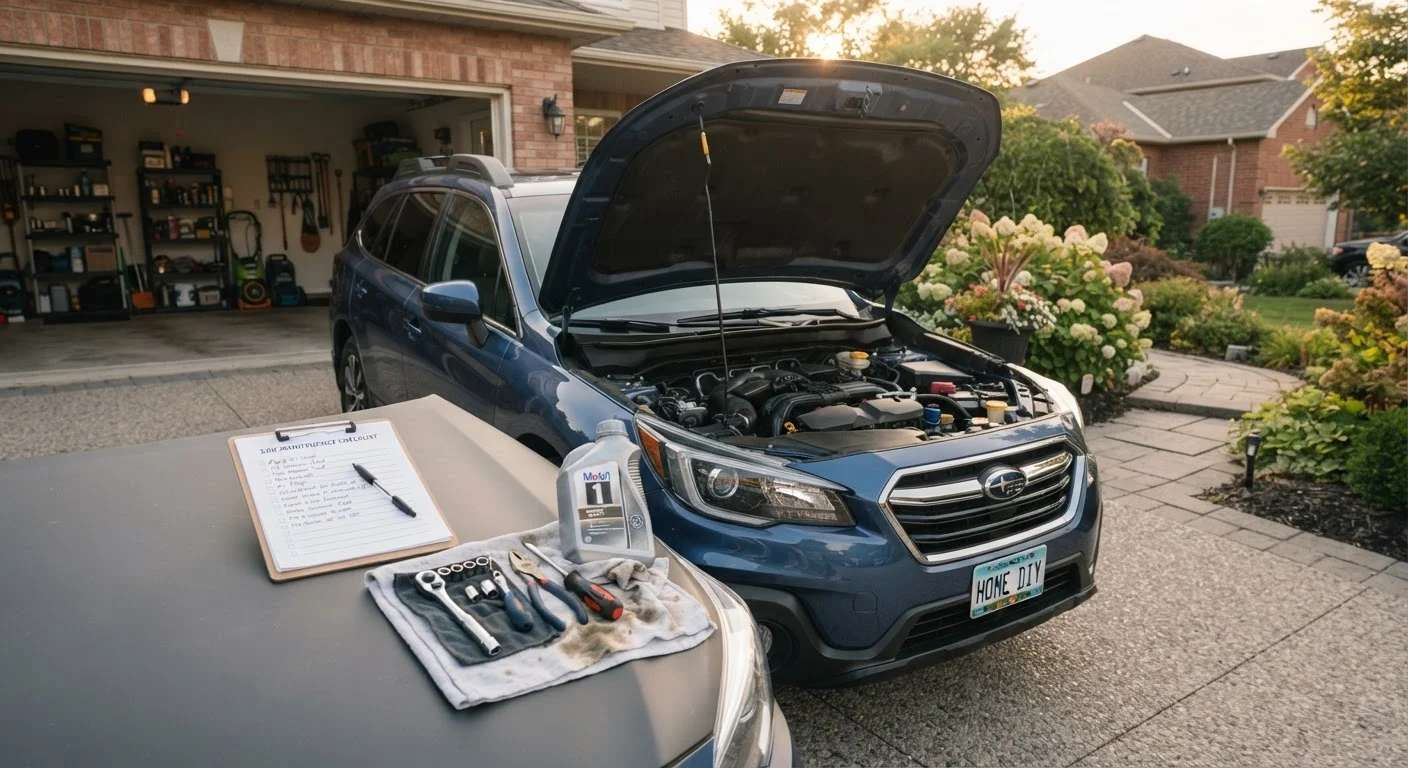
Keeping Ownership Costs Under Control Without Cutting Safety Corners

Photo: InsightsVault.com | Interesting Daily Reads editorial

Practical, evidence-based habits for reducing recurring car expenses while keeping your vehicle roadworthy and your family safe.

Key Takeaways

  • Preventive maintenance typically costs far less than the repairs it avoids — skipping it is a false economy.
  • Understanding which expenses are fixed versus variable helps you find realistic savings without compromising safety.
  • Keeping a service log and reviewing your insurance annually are two of the highest-return habits for car owners.
  • Warning light delays and deferred fluid changes are among the most common causes of avoidable repair costs.
  • A once-a-year cost audit catches budget drift before small overruns become serious financial stress.

Why Ownership Costs Tend to Creep Up Unnoticed

Most drivers focus on the purchase price of a vehicle and underestimate what comes after. Fuel, insurance, registration, tires, oil changes, and unexpected repairs can collectively run between $8,000 and $12,000 per year for the average US driver, according to AAA's annual Your Driving Costs study. Because these expenses arrive at different intervals — monthly, quarterly, annually, or without warning — they rarely feel like a single, coherent cost. That makes them easy to underbudget and easy to ignore until they compound.

The good news: most of the factors that drive ownership costs higher are within your control. The practices below are grounded in maintenance data and insurance industry research. None of them require you to sacrifice safety or reliability — in fact, they tend to improve both.

For a structured look at every recurring expense category, the annual car ownership cost audit is a useful companion to this guide.

Core Practices for Keeping Costs in Check

The following habits address the most common sources of runaway vehicle expense. Each one is actionable without specialized mechanical knowledge.

1

Follow the manufacturer's maintenance schedule, not the calendar on your windshield.

Quick-lube shops often recommend oil changes at intervals shorter than what your owner's manual specifies, adding unnecessary expense. Modern synthetic oils and tighter engine tolerances mean many vehicles can go 7,500 to 10,000 miles between changes. Overpaying for maintenance you don't need is a hidden cost that adds up across the ownership period.
Example: A driver following a 5,000-mile oil change schedule on a vehicle whose manual specifies 10,000 miles is paying roughly double the necessary amount per year in service visits alone.
2

Shop your auto insurance at each renewal, using your current coverage as the baseline.

Insurers apply rate increases incrementally, and long-term customers often pay more than new policyholders for equivalent coverage — a practice sometimes called the loyalty penalty. Reviewing your policy annually and requesting quotes from other licensed insurers takes less than an hour and can reveal meaningful premium differences for identical coverage tiers.
Example: A driver who hasn't reviewed their policy in three years may be paying for rental reimbursement or roadside assistance already covered through a credit card benefit, a common overlap that quietly inflates premiums.
3

Keep a written or digital maintenance log for every service performed on the vehicle.

A complete service record helps mechanics diagnose problems faster, reduces duplicated service work, and supports a higher resale value. It also serves as a financial record that makes the annual cost audit more accurate. See why maintenance records matter more than most owners realize for a fuller picture.
Example: A seller with documented oil changes, brake work, and tire rotations can typically ask more for a used vehicle than one with no records — and buyers have greater confidence in the car's condition.
4

Check tire pressure monthly and before long trips.

Under-inflated tires increase rolling resistance, which measurably reduces fuel economy — the US Department of Energy notes that tires underinflated by just 1 PSI reduce fuel economy by roughly 0.2%. They also wear unevenly, shortening tire life and increasing the frequency of replacement, which is one of the larger recurring ownership costs.
Example: A vehicle consistently driven with tires 5–6 PSI below the recommended pressure may need replacement 15–20% sooner than properly inflated tires, adding hundreds of dollars to the ownership timeline.
5

Address minor mechanical issues before they escalate into major repairs.

Small problems — a worn brake pad, a slow coolant leak, a fraying serpentine belt — are significantly cheaper to fix in isolation than after they cause secondary damage. Deferred maintenance is one of the most common drivers of large, unexpected repair bills that strain household budgets. The preventive maintenance checks every car owner should know outlines what to look for and when.
Example: Replacing a serpentine belt proactively costs roughly $75–$150 at most shops. If the belt snaps while driving, the resulting damage to the alternator, power steering pump, or cooling system can easily cost $500–$1,500 or more.

Quick Actions You Can Take This Week

Not every cost-control measure requires a Saturday afternoon and a socket set. Several high-impact steps take under an hour.

high Pull out your owner's manual today and note the manufacturer-recommended oil change interval — compare it to what you've been doing.
high Check the tire pressure on all four tires using an inexpensive gauge; correct any that are more than 2 PSI off the door-jamb specification.
medium Log into your insurer's portal and confirm you're not paying for add-on coverages already provided through a credit card or membership program.
medium Create a simple folder — physical or cloud-based — to store your next service receipt and any repair invoices going forward.

For a broader view of how fuel and insurance costs shift as your vehicle ages, see managing fuel and insurance costs across a car's lifetime.

Where Drivers Most Often Cut the Wrong Corner

Cost-cutting becomes counterproductive when it targets maintenance rather than discretionary spending. The three most damaging shortcuts are ignoring dashboard warning lights, skipping fluid checks between service intervals, and delaying tire pressure checks. Each of these deferred tasks carries a repair cost multiplier: a low-coolant situation left unaddressed can lead to head gasket failure, a repair that commonly runs $1,500–$2,500 at a mechanic shop.

Safety-Related Work Is Not a Cost-Cutting Target

Brakes, tires, steering components, and lights are safety-critical systems. Delaying or skipping service on these items exposes you and other road users to genuine risk — and in some states, operating a vehicle with known safety defects can have legal consequences. When in doubt about whether a repair can wait, consult a licensed mechanic rather than deferring based on cost alone.

Reading your car's warning lights before they become expensive problems explains which indicators are urgent and which allow a few days to schedule service — a distinction that can meaningfully affect the size of the resulting repair bill.

Driving habits also matter more than most owners realize. Aggressive braking, hard acceleration, and consistently overloading a vehicle accelerate wear on brakes, transmission, and tires simultaneously. The habits that quietly shorten your car's lifespan covers the behavioral changes with the greatest impact on long-term costs.

This article provides general information about vehicle ownership costs and is not a substitute for advice from a qualified mechanic. Consult a licensed professional before making decisions about repairs or modifications to your vehicle.

Car Costs Explained Editorial Team

InsightsVault.com | Interesting Daily Reads

Car Costs Explained Editorial Team is the collective byline for our editorial team and contributor network. Articles published under this byline or an editorial pen name are researched, written, and reviewed according to our editorial standards for clarity, consistency, and independence before publication.

Ownership CostsFuel & InsuranceRepairs & Maintenance
View author profile

The content provided on our blog site traverses numerous categories, offering readers valuable and practical information. Readers can use the editorial team’s research and data to gain more insights into their topics of interest. However, they are requested not to treat the articles as conclusive. The website team cannot be held responsible for differences in data or inaccuracies found across other platforms. Please also note that the site might also miss out on various schemes and offers available that the readers may find more beneficial than the ones we cover.