
Repairs & Maintenance

Habits That Quietly Shorten Your Car's Lifespan

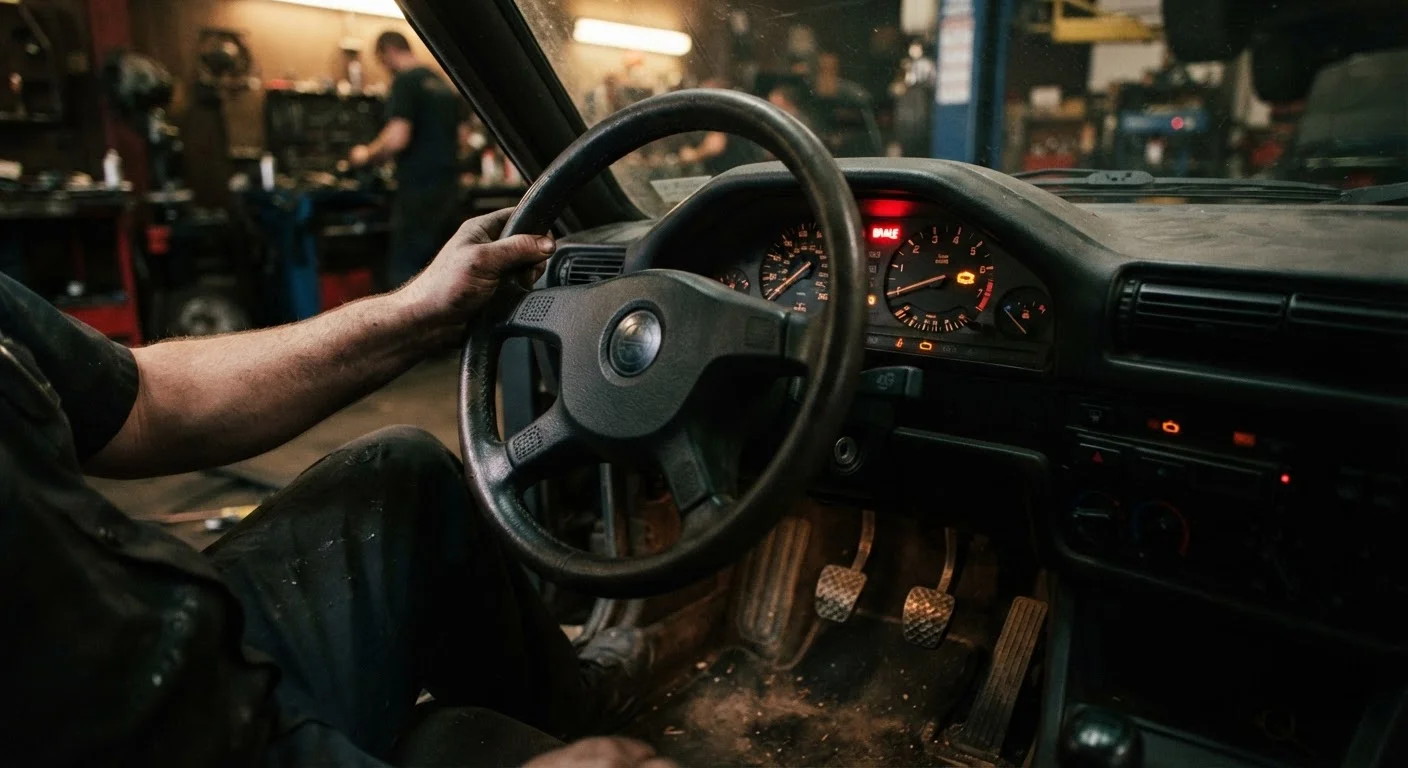
Habits That Quietly Shorten Your Car's Lifespan

Photo: InsightsVault.com | Interesting Daily Reads editorial

Aggressive braking, ignoring tyre pressure, and skipping fluid checks are more damaging than most drivers realise. Here's what to change and why.

Key Takeaways

  • Aggressive braking accelerates brake pad and rotor wear far faster than smooth driving does.
  • Consistently low tyre pressure increases rolling resistance, tyre wear, and fuel costs.
  • Skipping fluid checks — oil, coolant, transmission — is one of the leading causes of premature engine damage.
  • Short trips under five miles prevent the engine from reaching full operating temperature, accelerating internal wear.
  • Ignoring dashboard warning lights often turns a minor fix into a much costlier repair.

Why Everyday Habits Matter More Than Major Repairs

Most serious car repairs don't come out of nowhere. They're the end result of small habits repeated thousands of times — hard stops at every light, tyres a few PSI low for months, an oil change pushed two thousand miles past due. The damage accumulates quietly, and by the time something fails, the repair bill can feel like a shock.

The good news is that most of these habits are easy to change once you know what to look for. Deferred maintenance has a real price tag — but so does the cost of staying on top of it. The math almost always favours prevention. Below are the habits that do the most quiet damage to a car's drivetrain, brakes, tyres, and engine.

$1,200+

Average annual vehicle repair and maintenance cost per US driver

According to AAA's annual Your Driving Costs study, US drivers consistently spend over $1,200 per year on repairs and maintenance — much of which is attributable to deferred upkeep.

25%

Fuel efficiency lost to underinflated tyres

The U.S. Department of Energy estimates that underinflated tyres can reduce fuel economy by up to 0.5% per PSI drop below recommended pressure across all four tyres, adding up meaningfully over time.

The Habits That Do the Most Damage

These are the most common ways drivers unknowingly shorten their vehicle's useful life — along with what to do differently.

1

Braking hard and late instead of coasting to a stop.

Why it happens: Aggressive braking is often a habit formed in stop-and-go traffic or when drivers aren't looking far enough ahead. It feels normal until the brake pads wear out much sooner than expected.
How to avoid: Increase your following distance and anticipate stops early so you can ease off the throttle and let the vehicle slow gradually. This extends brake pad life significantly and reduces rotor warping — a repair that typically runs $300–$500 per axle.
2

Ignoring tyre pressure and skipping monthly checks.

Why it happens: Tyre pressure drops slowly and invisibly — about 1 PSI per month under normal conditions, and faster in cold weather. Most drivers never notice until a tyre looks visibly flat.
How to avoid: Check all four tyres with a handheld gauge once a month and before any long drive. Use the PSI figure printed on the door jamb sticker, not the number moulded into the tyre sidewall, which is the maximum rating.
3

Skipping or delaying engine oil changes.

Why it happens: Oil changes feel like an easy expense to postpone, especially when the car seems to be running fine. Many drivers don't realise oil degrades chemically even when mileage is low.
How to avoid: Follow the interval in your owner's manual — many modern vehicles with synthetic oil can go 7,500–10,000 miles between changes, but that interval matters. If you do a lot of short trips or towing, your vehicle may qualify as 'severe service,' requiring more frequent changes.
4

Only making short trips that never fully warm up the engine.

Why it happens: Urban driving often involves quick errands under five miles. These trips don't allow the engine to reach its optimal operating temperature, meaning moisture and combustion byproducts accumulate in the oil rather than burning off.
How to avoid: When your driving is mostly short trips, consider slightly more frequent oil changes to compensate. Occasionally combining errands into one longer drive also allows the engine, transmission fluid, and exhaust system to cycle through their full operating range.
5

Ignoring dashboard warning lights or dismissing them as minor.

Why it happens: Warning lights can feel alarming, so some drivers convince themselves the car is 'driving fine' and delay investigation. Others simply don't know what the lights mean.
How to avoid: Use a basic OBD-II scanner (widely available at auto parts stores) to read the fault code before assuming the worst — or the best. Understanding what each warning light means can be the difference between a $50 fix and a $2,000 repair.
6

Neglecting coolant, transmission fluid, and brake fluid checks.

Why it happens: Most drivers know about oil but treat other fluids as out-of-sight, out-of-mind. These fluids degrade over time and can cause expensive system failures when left unchecked.
How to avoid: Check coolant level when the engine is cold, and inspect brake fluid and transmission fluid per your owner's manual schedule. Flushing coolant typically runs $100–$150 and can prevent overheating-related engine damage costing many times more.

Neglected Oil Is the Biggest Repair Risk

Running an engine on old or low oil is one of the most preventable causes of catastrophic engine failure. Oil breaks down over time, losing its ability to lubricate moving parts and neutralise acids that form during combustion. A new engine can cost several thousand dollars — a routine oil change costs a fraction of that. Check your owner's manual for the interval recommended for your specific vehicle and driving conditions.

Staying ahead of these issues doesn't require mechanical expertise. It requires consistency: a monthly tyre check, following the service schedule in your glove box, and not dismissing warning lights. A structured approach to preventive maintenance makes it easier to build these habits into your routine without spending extra time or money.

Driving style also plays a role beyond just braking. Aggressive acceleration, carrying unnecessary weight, and prolonged idling all add mechanical stress. The habits that drain your fuel tank often overlap with the ones that wear out your vehicle faster — so improving one tends to improve the other.

Low Tyre Pressure Isn't Just a Fuel Issue

Driving on underinflated tyres generates excess heat and uneven stress across the tyre carcass. This can lead to a blowout at highway speeds — a serious safety risk, not just a maintenance concern. The National Highway Traffic Safety Administration (NHTSA) estimates that tyre-related crashes cause hundreds of fatalities annually in the US. Check pressure monthly with a gauge; don't rely on visual inspection alone.

For a broader picture of how to manage the full cost of keeping a vehicle on the road, see practical strategies for keeping ownership costs under control without compromising safety or reliability.

Car Costs Explained Editorial Team

InsightsVault.com | Interesting Daily Reads

Car Costs Explained Editorial Team is the collective byline for our editorial team and contributor network. Articles published under this byline or an editorial pen name are researched, written, and reviewed according to our editorial standards for clarity, consistency, and independence before publication.

Ownership CostsFuel & InsuranceRepairs & Maintenance
View author profile

The content provided on our blog site traverses numerous categories, offering readers valuable and practical information. Readers can use the editorial team’s research and data to gain more insights into their topics of interest. However, they are requested not to treat the articles as conclusive. The website team cannot be held responsible for differences in data or inaccuracies found across other platforms. Please also note that the site might also miss out on various schemes and offers available that the readers may find more beneficial than the ones we cover.