
Preventive Maintenance Checks Every Car Owner Should Know

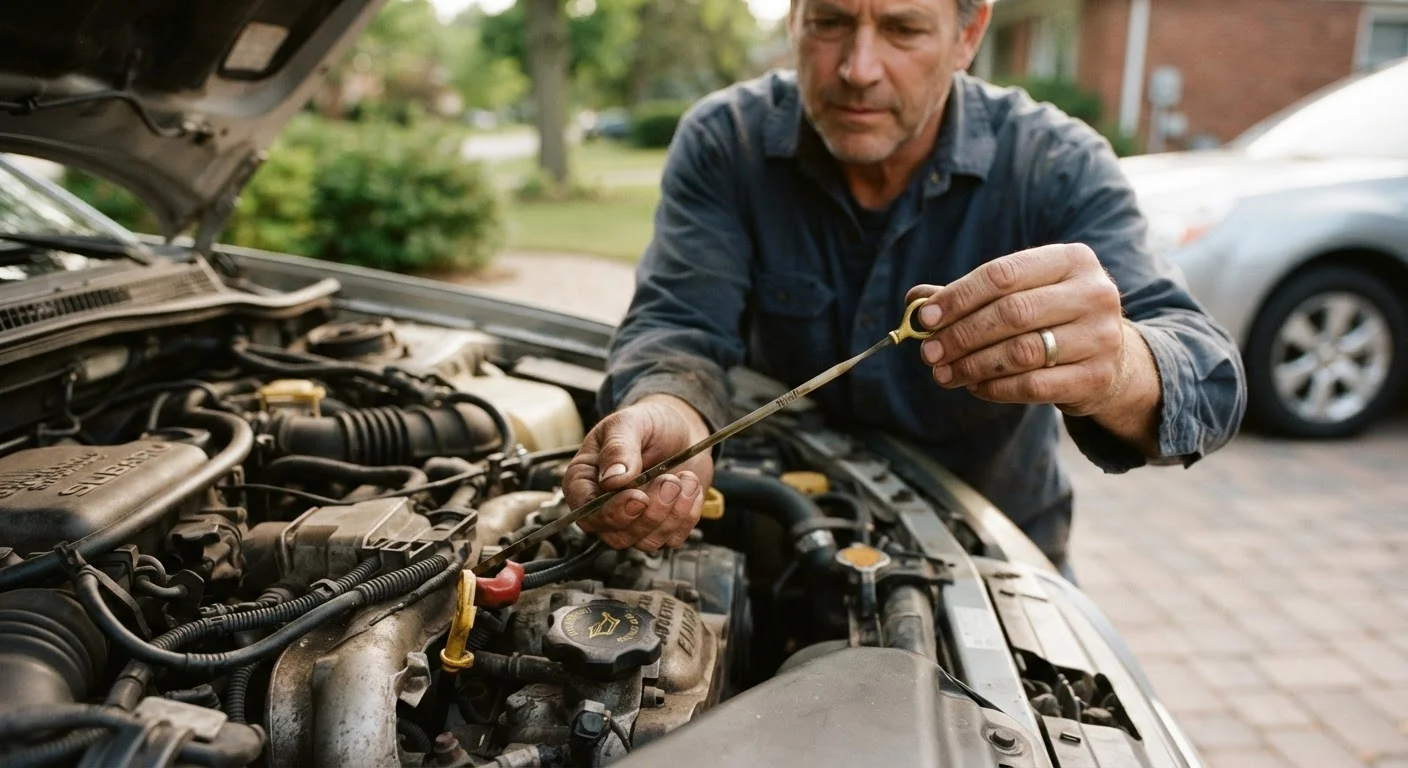
Photo: InsightsVault.com | Interesting Daily Reads editorial
Key Takeaways
- Most preventive checks take under five minutes and require no special tools.
- Catching a low fluid level or worn tire early can prevent repairs costing hundreds of dollars.
- Many checks should happen monthly, not just at annual service appointments.
- Keeping records of what you checked and when adds real value if you ever sell the car.
- A few checks - brake lines, suspension - are best left to a qualified mechanic.
Why Routine Checks Pay for Themselves
Deferred maintenance is one of the most reliable ways to turn a minor issue into an expensive repair. A quart of oil costs a few dollars; an engine replacement can cost thousands. According to the Car Care Council, vehicle neglect - skipped fluid changes, worn belts, low tire pressure - accounts for a significant share of roadside breakdowns that were preventable.
This checklist organizes the checks most likely to protect your vehicle and your wallet into manageable groups. You don't need a lift or a diagnostic computer for most of them. A flashlight, a tire pressure gauge, and a clean rag will cover the majority of what's here.
For a broader view of how maintenance fits into your total vehicle budget, see the long-term cost comparison of scheduled servicing versus reactive repairs. And if you want to track every recurring vehicle expense, the annual car ownership cost audit is a good companion to this checklist.
Monthly Fluid and Oil Checks
Tire and Brake Inspection
Lights and Electrical
Under the Hood and Belts
What to Do When You Find a Problem
Running through this checklist is only useful if you act on what you find. Low oil? Top it off and note whether the level drops again before your next check - persistent loss signals a leak or burning issue that needs a mechanic's attention. A dashboard light that comes on shortly after? Don't ignore it. Our guide to reading warning lights before they become expensive problems explains which ones are urgent and which can wait until your next appointment.
Some items on this checklist - particularly brakes, belts, and suspension components - benefit from a trained eye. Knowing which tasks suit a DIY approach and which carry real risk if done wrong is important; see our breakdown of car repair jobs you can safely do yourself for clear guidance. When you do visit a shop, use our tips on talking to a mechanic and understanding the answers to avoid paying for work you don't need.
Don't Skip the Brake and Suspension Check
Finally, write down every check you complete, even the ones where everything looked fine. A documented service history protects your car's resale value and helps mechanics diagnose problems faster. The value of complete maintenance records is easy to underestimate until you need them.
Tire pressure gauge
Measures tire inflation accurately so you can correct pressure to the manufacturer's specification.
Flashlight or work light
Illuminates engine bay components, tire sidewalls, and undercarriage areas that are difficult to see in ambient light.
Clean lint-free rag
Wipes the dipstick clean between readings so you get an accurate oil level measurement.
Penny (for tread depth test)
Provides a quick, no-cost way to check whether tire tread depth has fallen below a safe minimum.
Maintenance log or app
Records the date and result of each check so you can track trends and demonstrate upkeep history.
The content provided on our blog site traverses numerous categories, offering readers valuable and practical information. Readers can use the editorial team’s research and data to gain more insights into their topics of interest. However, they are requested not to treat the articles as conclusive. The website team cannot be held responsible for differences in data or inaccuracies found across other platforms. Please also note that the site might also miss out on various schemes and offers available that the readers may find more beneficial than the ones we cover.