
Talking to a Mechanic: How to Ask the Right Questions and Understand the Answers

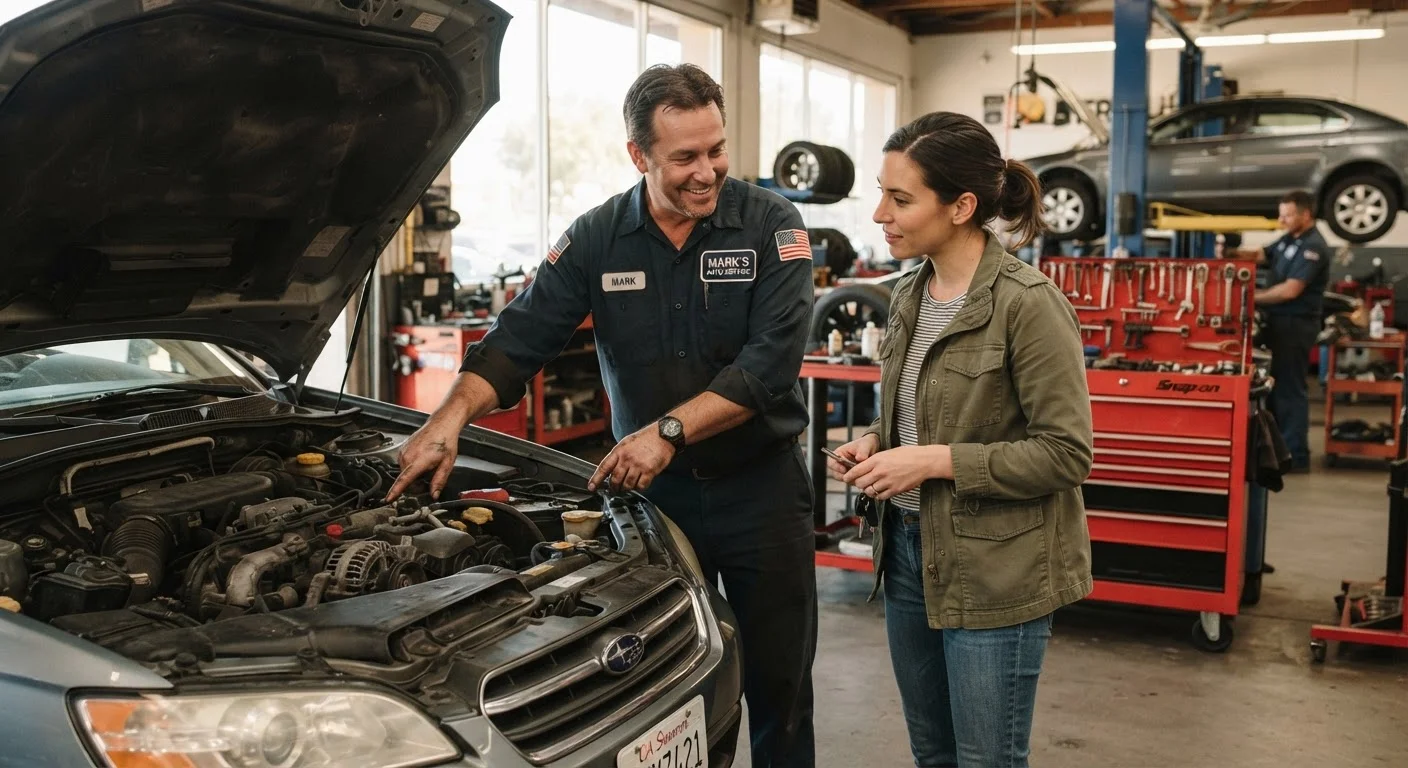
Photo: InsightsVault.com | Interesting Daily Reads editorial
Key Takeaways
- Always ask for a written estimate before any work begins - verbal quotes are hard to dispute later.
- Request a breakdown of parts versus labor costs so you can verify each line independently.
- Ask which repairs are urgent and which can wait, so you can budget and prioritize effectively.
- You have the right to approve or decline any repair before it is performed on your vehicle.
- Keeping your own maintenance records helps mechanics diagnose problems faster and cheapens the process.
Why Communication Is Half the Battle
Most car owners leave a repair shop having spent more than they expected - not because they were cheated, but because they didn't know which questions to ask. A mechanic who understands exactly what you're describing will diagnose the problem faster, and you'll waste less money on exploratory work. The conversation before any wrench turns is often the most valuable part of a service visit.
This isn't about becoming a car expert overnight. It's about asking clear, specific questions and knowing what the answers should look like. See our complete financial overview of car repair costs for the broader context of what you're likely to spend across your vehicle's life.
“The customer who comes in with a clear description of what their car is doing - not just 'it makes a noise' - is the customer who gets the fastest and most accurate diagnosis. Good communication saves everyone time and money.”
— Automotive Service Excellence (ASE), National organization that certifies automotive technicians and service professionals
Before the Work Starts: Get It in Writing
The single most important habit is requiring a written estimate before authorizing any repair. Most states require shops to provide one, but you should ask proactively rather than assume. An estimate should separate parts costs from labor costs, and it should list each item individually. Bundled figures make it nearly impossible to know what you're actually paying for.
Once you have the estimate, ask two follow-up questions:
- "Which of these repairs are safety-critical right now?" - This separates urgent fixes from things that can wait a few weeks or months.
- "What happens if I defer the non-urgent items?" - Some deferred maintenance creates bigger problems down the road; others are genuinely fine to postpone.
Understanding what every line item on your invoice means before you sign off is one of the most practical skills you can build as a car owner.
During and After the Repair
If the shop discovers additional problems once work has started - which is common - they are generally required to contact you before proceeding. When that call comes, repeat the same process: get a revised written estimate, ask what's urgent, and confirm the total before giving approval. Saying "let me call you back in 10 minutes" is completely reasonable.
When you pick up your vehicle, ask the mechanic or service writer to walk you through what was done. Request the old parts if they were replaced - a reputable shop will usually hand them over without pushback. This gives you physical confirmation that the work was actually performed.
If you feel uncertain about the diagnosis or the price, getting a second perspective is a normal part of the process. See how to get a second opinion on car repairs without awkwardness for a straightforward approach that won't burn the relationship with your current shop.
Building a Long-Term Relationship That Saves You Money
Drivers who use the same shop consistently often pay less over time. A mechanic who knows your car's history can spot developing problems earlier, skip unnecessary diagnostic steps, and flag upcoming maintenance before it becomes expensive. Bring your own records to every visit - a simple log of past services, dates, and mileage. This helps the mechanic and signals that you're an informed customer, which tends to result in more thorough service.
Maintenance records matter more than most owners realize - they protect your car's resale value and can meaningfully speed up diagnosis. Pair that with knowing the preventive maintenance checks every car owner should know, and you'll show up to the shop with enough context to have a genuinely useful conversation. You'll also be better positioned to decide whether a dealer service centre or an independent mechanic is the right fit for each job.
This article is for general informational purposes only and does not constitute professional mechanical or financial advice. Labor rates, parts prices, and shop practices vary by region and provider. Always verify estimates and consult a qualified mechanic for decisions specific to your vehicle.
The content provided on our blog site traverses numerous categories, offering readers valuable and practical information. Readers can use the editorial team’s research and data to gain more insights into their topics of interest. However, they are requested not to treat the articles as conclusive. The website team cannot be held responsible for differences in data or inaccuracies found across other platforms. Please also note that the site might also miss out on various schemes and offers available that the readers may find more beneficial than the ones we cover.