
Decoding a Workshop Invoice: What Every Line Item Actually Means

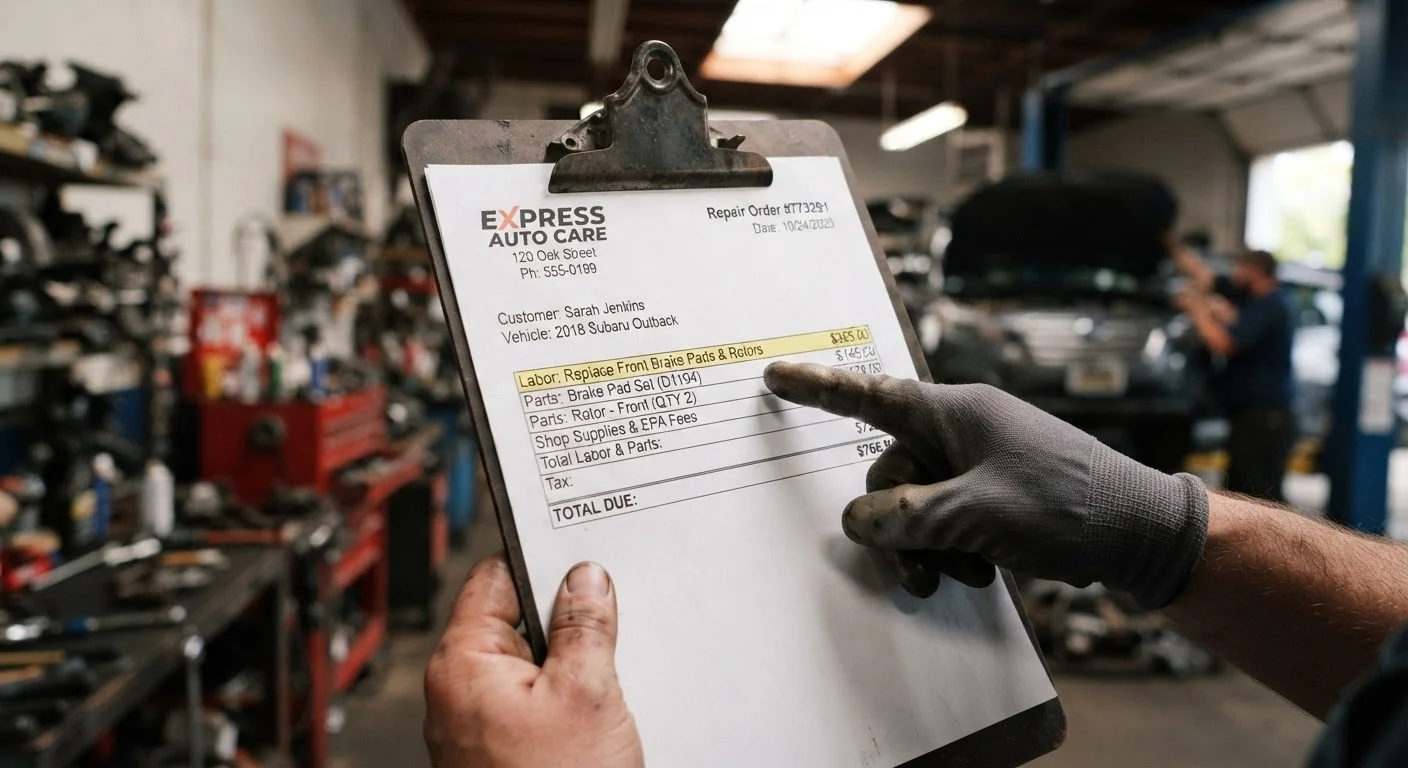
Photo: InsightsVault.com | Interesting Daily Reads editorial
The Anatomy of a Repair Invoice
A workshop invoice isn't just a bill - it's a record of exactly what was done to your vehicle, by whom, and at what cost. Most invoices follow a predictable structure: a header with shop and vehicle details, a labor section, a parts section, and a summary of taxes and fees. Understanding each zone makes it much easier to spot errors or unreasonable charges before you hand over your card.
Start with the RO number (Repair Order). This is the internal job tracking number that links your vehicle's work to every part ordered and every labor entry logged. If you ever need to dispute a charge or revisit a repair, the RO number is your reference. Also confirm the vehicle identification number (VIN) matches your car - it's a quick way to verify the invoice belongs to your vehicle and that the correct parts were specified.
For a broader look at how repair costs fit into what you spend over a vehicle's lifetime, see the complete financial overview of car ownership costs.
Labor, Parts, and the Fees in Between
Labor charges are typically the largest line on the invoice. Shops charge a set hourly rate - called the door rate - and multiply it by the number of hours assigned to each job. Those hours usually come from a standardized labor time guide, not a stopwatch. Learn how labour time guides work to understand whether the hours billed are standard for your repair.
Parts charges reflect what the shop paid for the component plus a markup - typically 20-50% above their cost, though this varies widely. Invoices should list each part by name and part number. If the invoice simply reads "miscellaneous parts" without specifics, ask for an itemized breakdown before paying.
Diagnostic or inspection fees cover the technician's time to identify what's wrong before any repair begins. This is legitimate billable work, and many shops apply the fee toward the final repair cost if you proceed. Confirm this policy upfront.
Other common lines include:
- Shop supplies fee: A percentage-based charge (often 5-15% of labor) covering consumables like rags, brake cleaner, and fasteners. It should not exceed what these materials realistically cost.
- Environmental or hazmat fee: Covers disposal of oil, coolant, and other regulated fluids. Usually a small flat charge.
- Sublet charges: Work your shop sent out to a specialist (e.g., a machine shop for engine work). Should appear as a pass-through with minimal markup.
If anything on the invoice is unclear before you sign, knowing the right questions to ask your mechanic helps you get straight answers without friction.
How to Review an Invoice Before You Pay
Request an itemized invoice - never accept a summary total without line-by-line detail. Once you have it, compare the parts listed against your original written estimate. In most US states, shops are legally required to provide a written estimate before beginning work and cannot exceed it by more than a set percentage (commonly 10%) without your authorization. If the final bill is significantly higher than the estimate with no prior call from the shop, that's grounds for a conversation - and potentially a complaint to your state's consumer protection office.
Check that every part listed has a part number. Cross-referencing part numbers on sites that list retail pricing lets you gauge whether the markup is within a reasonable range. Labor hours should align with the job's standard time; significant overages deserve an explanation. You can also ask for your old parts back - legitimate shops will return them, and physically seeing replaced components confirms the work was actually done.
This article is for general informational purposes. Specific regulations around repair estimates and consumer rights vary by state. Consult your state's consumer protection agency or a qualified professional for advice about your individual situation.
The content provided on our blog site traverses numerous categories, offering readers valuable and practical information. Readers can use the editorial team’s research and data to gain more insights into their topics of interest. However, they are requested not to treat the articles as conclusive. The website team cannot be held responsible for differences in data or inaccuracies found across other platforms. Please also note that the site might also miss out on various schemes and offers available that the readers may find more beneficial than the ones we cover.