
Getting a Second Opinion on Car Repairs Without Awkwardness

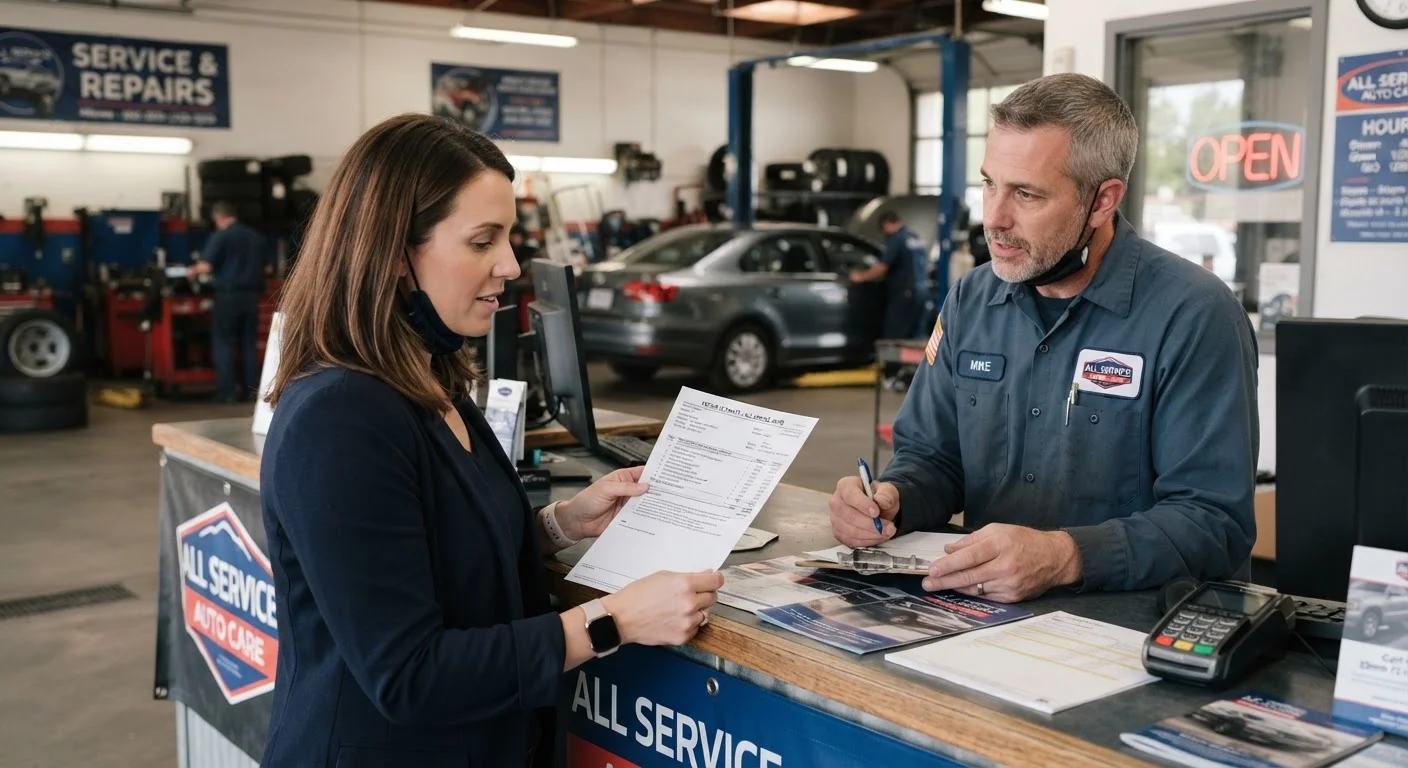
Photo: InsightsVault.com | Interesting Daily Reads editorial
Key Takeaways
- Asking for a second opinion is standard practice - most mechanics expect it for major repairs.
- Always get the first shop's written diagnosis before visiting a second mechanic.
- Conflicting quotes often reflect legitimate differences in labor rates, parts sourcing, and repair scope.
- A second opinion is most valuable when a repair estimate is unexpectedly high or diagnosis is vague.
- You are not obligated to pay a diagnostic fee at shop one just because you consult shop two.
Why a Second Opinion Makes Financial Sense
Car repairs are one of the largest unplanned expenses most households face. According to AAA, the average American driver spends roughly $800 on unexpected vehicle repairs each year - and individual jobs can run into the thousands. When the stakes are that high, verifying a diagnosis with another qualified mechanic is simply due diligence, not an insult to the first shop.
A second opinion is especially worth pursuing when: the estimate is above $500; the recommended fix is a major component like a transmission, engine, or catalytic converter; the diagnosis feels vague or relies entirely on a warning light with no supporting evidence; or you're being pressured to approve work immediately. Understanding why quotes vary so widely can also help you interpret what you hear at each shop.
Second Opinions Are Industry-Normal
What to Gather Before You Leave Shop One
Your second opinion is only as useful as the information you bring with it. Before leaving the first mechanic, collect the following:
What you will need
You are entitled to a written estimate under consumer protection laws in most US states. If a shop refuses to provide one, that itself is a red flag worth noting.
How to Approach the Second Shop
There is no need to explain yourself at length. Simply say you're getting quotes on a repair and hand over the written estimate. You don't have to reveal which shop provided the first opinion unless you want to. Most independent mechanics and dealer service departments handle second-opinion requests routinely - it's part of the business.
For context on choosing between a dealer and an independent shop, see our breakdown of dealer service centres vs. independent mechanics.
Call ahead and describe the situation briefly
Phone the second shop before driving over. Give them the make, model, year, and mileage of your vehicle, and describe the repair in plain terms (e.g., "I've been quoted for a rear brake caliper replacement and want a second look"). Ask whether they charge a diagnostic fee and whether that fee applies toward the repair if you proceed.
Present the written estimate without framing it as a test
Hand the mechanic the itemized estimate from shop one and say something simple: "This is what I've been quoted. I'd like your assessment." Avoid saying things like "I think this shop is ripping me off" - it introduces bias. Let the second mechanic reach their own conclusion independently.
Ask specific, open-ended questions
Rather than asking "Is this price fair?", try questions like:
- "What would your diagnosis process look like for this symptom?"
- "Can you walk me through what the repair involves?"
- "Are there alternative approaches that might cost less?"
- "Is this repair urgent, or can it wait a few weeks?"
For a broader list of useful questions, see our guide on talking to a mechanic effectively.
Request an itemized written quote
Ask for a written breakdown that separates labor hours (and the hourly rate) from the cost of each part. This format makes it straightforward to compare against shop one's estimate line by line, rather than just comparing bottom-line totals.
Decide based on the full picture, not just price
The lower quote is not automatically the right choice. Factor in the shop's reputation (online reviews, word of mouth, certifications such as ASE), the warranty they offer on parts and labor, and how clearly they communicated with you. A shop that explains its reasoning confidently and in plain language is usually a better long-term partner than one that simply undercuts on price.
Making Sense of Conflicting Advice
If the two estimates differ significantly, don't assume one mechanic is dishonest. Legitimate reasons for variation include: different labor rate structures, use of OEM (original equipment manufacturer) versus aftermarket parts, a broader or narrower interpretation of what the repair requires, and regional cost-of-living differences in shop overhead.
Ask each shop to itemize their quote - separating parts costs from labor hours. That breakdown makes comparisons apples-to-apples. If the diagnoses themselves differ (not just the prices), consider asking both mechanics to explain their reasoning, or seek a third opinion for high-cost jobs.
Don't Delay Safety-Critical Repairs
For repairs that turn out to be simpler than quoted, it may also be worth checking our guide on what you can safely handle yourself. And if the final bill from either shop approaches or exceeds your car's value, our article on thinking through a repair that exceeds the car's value walks you through the decision clearly.
The content provided on our blog site traverses numerous categories, offering readers valuable and practical information. Readers can use the editorial team’s research and data to gain more insights into their topics of interest. However, they are requested not to treat the articles as conclusive. The website team cannot be held responsible for differences in data or inaccuracies found across other platforms. Please also note that the site might also miss out on various schemes and offers available that the readers may find more beneficial than the ones we cover.