
Nutrient-Dense Foods That Cost Less Than You Might Expect

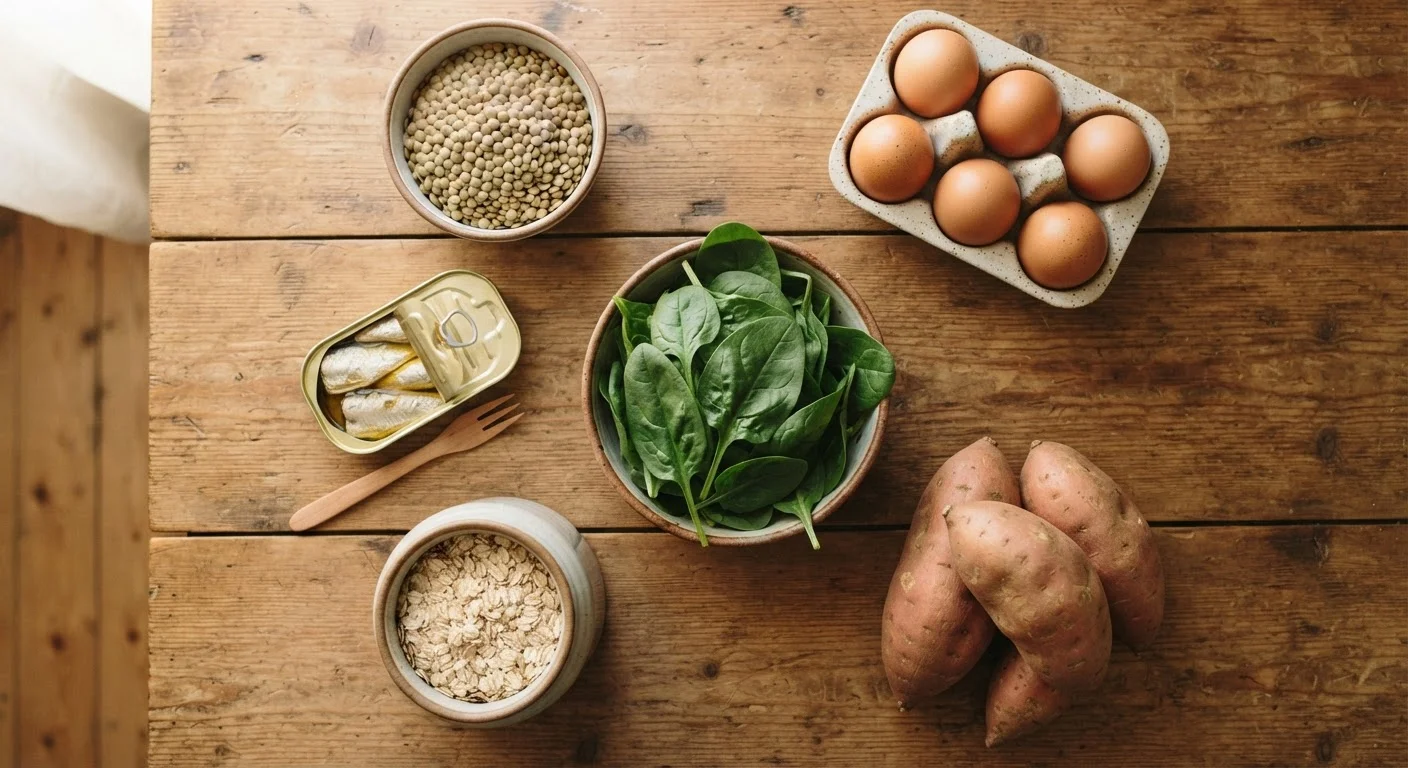
Photo: InsightsVault.com | Interesting Daily Reads editorial
Key Takeaways
- Several of the most nutrient-dense foods available are also among the most affordable items in any grocery store.
- Canned, dried, and frozen forms often preserve nutrients well while significantly reducing cost per serving.
- Shifting even a few meals per week toward these staples can improve nutritional quality without raising your food budget.
- Cost per nutrient - not cost per package - is the more useful measure of grocery value.
Rethinking What 'Affordable' Looks Like in the Grocery Aisle
Many shoppers assume that eating nutritiously requires a premium grocery budget. In practice, some of the most nutrient-dense foods available sit quietly on the lower shelves - often bypassed in favour of products marketed as healthy at several times the price. The gap between price and nutritional value is wider than most people realise.
This list focuses on foods that deliver meaningful amounts of protein, fiber, vitamins, and minerals relative to what they cost. None of them require specialty stores or couponing skills. Most are available in any standard US supermarket. If you want to understand the broader principles behind affordable nutrition, our nutritional foundation guide covers the fundamentals in depth.
Dried Lentils
Dried lentils are among the most nutritionally complete plant foods per dollar. A single cup of cooked lentils provides roughly 18 grams of protein, about 16 grams of fiber, and significant amounts of folate, iron, and potassium. They require no soaking and cook in under 30 minutes - a practical advantage over many other dried legumes.
The cost per serving of dried lentils is consistently low, and they expand considerably during cooking, making a small purchase stretch across multiple meals. They're a core food in our protein-on-a-budget breakdown for good reason.
Lentils deliver protein, fiber, and iron at a cost that few other foods can match.
Eggs
Eggs are one of the most nutritionally complete animal foods available. They contain high-quality protein with all essential amino acids, along with choline - a nutrient many Americans don't get enough of - plus B vitamins, vitamin D, and selenium. The protein in eggs is highly bioavailable, meaning the body uses a large proportion of what's consumed.
Even at higher price points than a decade ago, eggs remain significantly cheaper per gram of protein than most meat options. They're also fast to prepare, which matters when time is part of the budget.
Eggs offer complete protein and key micronutrients at a cost that consistently undercuts most meat options.
Frozen Spinach
Frozen spinach is nutritionally comparable to fresh in most respects - and in some cases retains more of certain nutrients because it's frozen shortly after harvest. It provides iron, folate, vitamin K, magnesium, and antioxidants. It's also significantly cheaper than fresh spinach per serving and has a shelf life measured in months rather than days.
A bag of frozen spinach can be stirred into eggs, soups, pasta sauces, or smoothies with minimal effort. It's a practical way to add leafy greens to meals without waste or frequent shopping trips.
Frozen spinach delivers the same core nutrients as fresh at a lower price and far less waste.
Canned Sardines
Sardines are one of the more underrated budget foods. They're high in omega-3 fatty acids, provide substantial protein, and are one of the few non-dairy food sources of calcium - particularly when eaten with the bones, which are soft and edible in canned form. They also contain vitamin D and B12, both nutrients with widespread shortfalls in US diets.
Because sardines are small, short-lived fish, they tend to have lower levels of mercury accumulation than larger species - a consideration that's worth noting when eating canned fish regularly. Canned in water or olive oil, they're a versatile pantry staple that requires no cooking.
Sardines pack protein, omega-3s, and calcium into one of the most affordable canned options on the shelf.
Rolled Oats
Plain rolled oats - not flavored instant packets - are one of the most cost-effective breakfast and baking staples available. They're a good source of soluble fiber, specifically beta-glucan, which is associated with supporting healthy cholesterol levels according to established research. They also provide manganese, phosphorus, magnesium, and more protein than most grain options.
Buying in larger containers reduces the cost per serving considerably. Oats work as a base for savory dishes and baked goods as well as the obvious breakfast applications, making them more versatile than their reputation suggests.
Plain rolled oats are one of the cheapest fiber sources in any grocery store, with a nutritional profile that justifies their staple status.
Canned Kidney Beans
Canned beans trade some of the cost savings of dried beans for the convenience of zero preparation time. Kidney beans in particular offer high fiber, plant protein, iron, folate, and potassium. Rinsing canned beans before use reduces sodium content by a meaningful amount - a simple step that addresses the main nutritional concern with canned legumes.
For households that don't have time or inclination to cook dried beans from scratch, canned options still represent strong nutritional value relative to their cost. The broader case for affordable whole foods applies squarely here.
Rinsed canned kidney beans offer nearly all the nutritional benefit of dried, at a fraction of the preparation time.
Sweet Potatoes
Sweet potatoes are consistently among the more nutritious vegetables per dollar spent. They're rich in beta-carotene - which the body converts to vitamin A - as well as vitamin C, potassium, and fiber. Unlike many other vegetables, they're also filling and calorie-sufficient enough to anchor a meal rather than just supplement one.
They store well at room temperature for one to two weeks, reducing waste, and cook in numerous ways - roasted, mashed, baked whole, or added to soups. Their natural sweetness makes them appealing to a wide range of palates, including children.
Sweet potatoes are filling, versatile, and rich in beta-carotene - a strong nutritional return for a modest price.
Making These Foods Work in Your Kitchen
Knowing which foods offer value is only useful if you can actually cook and eat them consistently. Most of the items on this list are versatile - lentils work in soups, salads, and curries; oats extend beyond breakfast into savory dishes; canned fish folds into pasta, grain bowls, or simple sandwiches. Batch cooking dried legumes once or twice a week removes the inconvenience barrier for beans and lentils.
Stretch These Foods Further With Simple Prep
For a closer look at how whole-food costs compare to processed alternatives when measured by nutritional content rather than pack size, see our piece on cost-per-nutrient differences between whole and processed foods. And if feeding a household is the challenge, our family nutrition on a budget guide addresses scaling these staples affordably.
This article is for general informational purposes only and does not constitute medical or dietary advice. Consult a qualified healthcare professional or registered dietitian for guidance tailored to your individual health needs.
The content provided on our blog site traverses numerous categories, offering readers valuable and practical information. Readers can use the editorial team’s research and data to gain more insights into their topics of interest. However, they are requested not to treat the articles as conclusive. The website team cannot be held responsible for differences in data or inaccuracies found across other platforms. Please also note that the site might also miss out on various schemes and offers available that the readers may find more beneficial than the ones we cover.