
Eating Well on a Tight Budget: A Nutritional Foundation for Everyday Shoppers

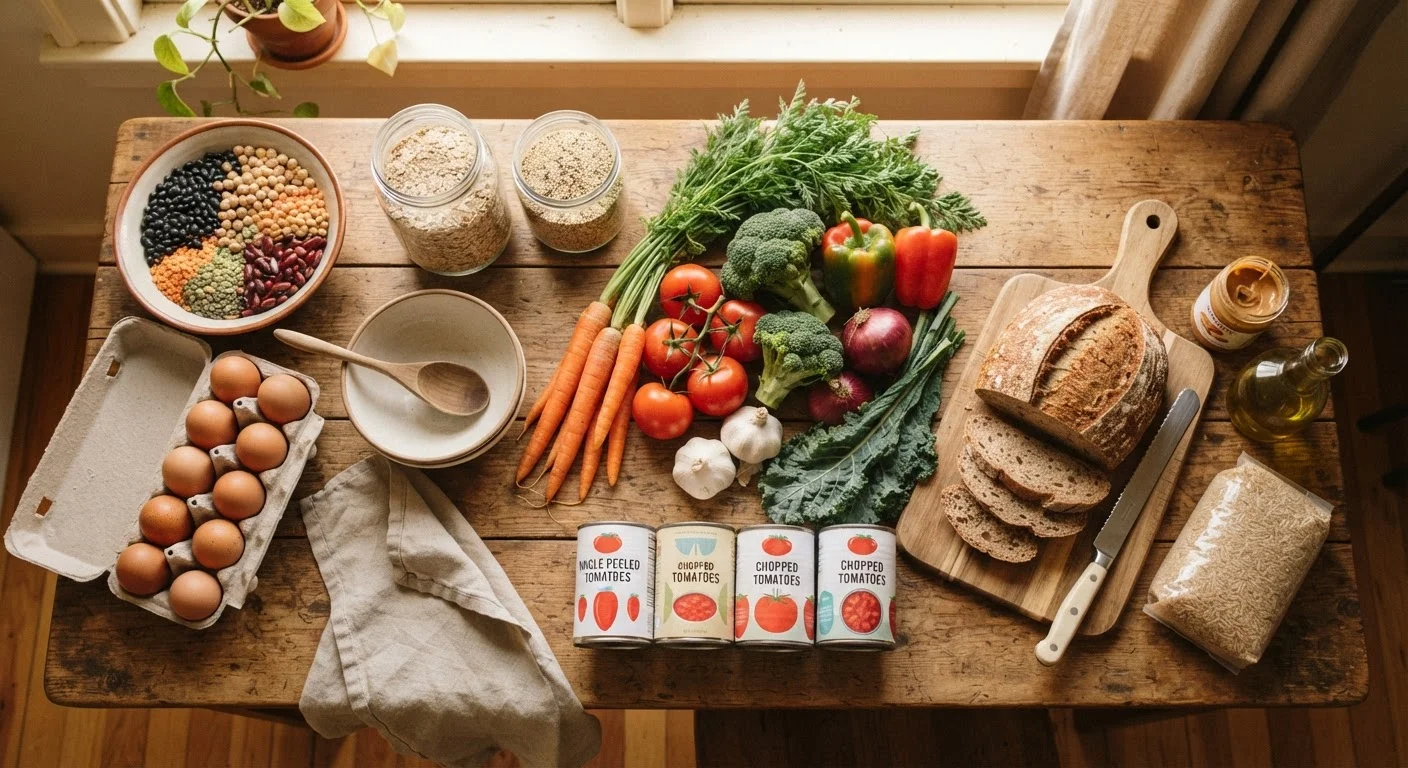
Photo: InsightsVault.com | Interesting Daily Reads editorial
Key Takeaways
- A handful of inexpensive staple foods can meet most of your daily nutritional needs.
- Cost per nutrient - not cost per item - is the metric that matters when grocery shopping on a budget.
- Processed cheap foods may cost little upfront but can create nutritional gaps that are costly over time.
- Meal planning around whole, minimally processed foods is one of the most reliable strategies for eating well affordably.
- Seasonal produce and store-brand canned or frozen goods offer strong nutritional value at lower prices.
What Your Body Actually Needs
Good nutrition doesn't require expensive superfoods. It requires meeting a consistent set of needs: adequate protein to repair and maintain tissues, complex carbohydrates for sustained energy, healthy fats for hormone function and cell health, and a broad range of vitamins and minerals that support virtually every system in your body.
Macronutrients
The three main nutrients your body needs in large amounts: protein, carbohydrates, and fat. Each plays a distinct role in energy, repair, and bodily functions.
Micronutrients
Vitamins and minerals your body needs in smaller amounts - such as iron, calcium, vitamin C, and B vitamins - that support immune function, bone health, and metabolism.
Complete protein
A protein source that contains all nine essential amino acids your body cannot produce on its own. Animal proteins like eggs and fish are complete; most plant proteins are not, but combining different plant foods across the day covers all nine.
Dietary fiber
A type of carbohydrate found in plant foods that your body cannot fully digest. It supports digestive health, helps you feel full, and is associated with lower risk of several chronic conditions.
Ultra-processed food
Foods manufactured with many additives, preservatives, and industrial ingredients beyond basic cooking - often high in sodium, sugar, and refined carbs while low in fiber, protein, and micronutrients.
Cost per nutrient
A way of evaluating food value by comparing nutritional content (protein, fiber, vitamins) relative to price, rather than judging food value by its sticker price alone.
The USDA's Dietary Guidelines offer a practical framework: fill roughly half your plate with vegetables and fruit, a quarter with whole grains, and a quarter with a protein source, plus some dairy or fortified alternative. That structure maps neatly onto affordable whole foods - it does not require premium ingredients to execute.
Understanding what your body actually needs is the first step to spending money only on foods that deliver real value. Price and nutritional quality are not the same thing, a point explored further in our piece on why cheap food isn't always poor nutrition.
The Most Nutritious Affordable Foods
Certain foods consistently deliver strong nutritional value per dollar. Keeping these as your shopping foundation makes it much easier to meet daily needs without overspending.
- Dried or canned legumes - lentils, black beans, chickpeas. Excellent protein, fiber, iron, and folate. Dried lentils in particular are among the lowest-cost protein sources available.
- Eggs - a complete protein source containing all essential amino acids, plus vitamins B12, D, and choline. One of the most nutrient-dense foods by price.
- Oats - soluble fiber supports heart health; slow-digesting carbs sustain energy. Plain rolled oats are significantly cheaper per serving than most breakfast foods.
- Frozen vegetables - peas, spinach, broccoli, and mixed blends retain most of their vitamins post-freezing and cost far less than equivalent fresh options out of season.
- Canned fish - sardines and tuna are high in protein and omega-3 fatty acids. Look for varieties packed in water to keep added sodium lower.
- Bananas, carrots, and cabbage - reliably cheap fresh produce options that provide vitamin C, potassium, and fiber throughout the year.
For a more detailed look at how seasonal availability affects price, see our guide on using seasonal produce to lower your food bill.
Smart Shopping Habits That Protect Both Budget and Health
How you shop matters as much as what you buy. A few habits reliably reduce spending without cutting nutrition.
Meal Planning Pays Off Fast
Plan before you shop. Writing a weekly meal plan and building a shopping list around it prevents impulse purchases, reduces food waste, and ensures you have ingredients to cook complete meals rather than assembling snacks.
Use the unit price, not the sticker price. Stores display a per-unit or per-ounce price on the shelf tag. A larger package often (though not always) costs less per unit. Compare this across sizes and brands before deciding.
Embrace store brands. For staples like canned tomatoes, dried beans, frozen vegetables, and oats, store-brand versions typically match name-brand nutrition at meaningfully lower prices. Checking the nutrition label directly - rather than assuming - is a reliable way to confirm. Our article on reading nutrition labels as a budget shopper shows exactly what to look for.
Buy proteins strategically. Dried legumes cost a fraction of meat per gram of protein. Rotating lentils or beans into two or three weekly meals as your primary protein source is one of the highest-impact steps you can take for both budget and nutritional variety.
Building Meals Around Nutritional Value, Not Just Price
The goal is not simply to spend less - it's to get the most nutritional return for every dollar. Thinking in terms of cost per nutrient rather than cost per item reframes grocery decisions productively.
A useful mental model: anchor each meal around a protein source, add a whole-grain carbohydrate, and include at least one vegetable. For example, lentil soup with whole grain bread and a side of frozen spinach is inexpensive, filling, and nutritionally dense. The same principle applies across dozens of meal combinations using the affordable staples listed above.
Batch cooking extends this further. Preparing larger quantities of grains, beans, or soups on one day and using them across several meals reduces both cooking time and the temptation to rely on convenient but nutritionally weak options when time is short. For broader spending strategies beyond the grocery store, the Cutting Daily Costs hub offers additional practical frameworks.
Common Budget Nutrition Pitfalls to Avoid
Spending less at the grocery store doesn't automatically mean eating well. Some common shortcuts create nutritional gaps that are easy to overlook.
Relying heavily on ultra-processed cheap foods. Ramen noodles, chips, and sweetened cereals are inexpensive but low in protein, fiber, vitamins, and minerals. Used occasionally they're unlikely to cause problems, but as dietary staples they crowd out genuinely nourishing foods. This trade-off is examined in more depth in our article on when low-price food choices backfire nutritionally.
Skipping variety in favor of repetition. Eating the same two or three cheap meals every day limits the range of micronutrients you consume. Rotating different vegetables, legumes, and grains - even within a tight budget - provides broader nutritional coverage.
Overlooking food waste as a cost driver. Buying fresh produce you don't use is money lost twice - financially and nutritionally. Prioritizing frozen options for vegetables you use infrequently and planning meals before shopping are the most practical ways to reduce waste.
This article is for general informational purposes only and does not constitute medical or dietary advice. Consult a qualified healthcare professional for guidance specific to your health needs or circumstances.
Frequently Asked Questions
The content provided on our blog site traverses numerous categories, offering readers valuable and practical information. Readers can use the editorial team’s research and data to gain more insights into their topics of interest. However, they are requested not to treat the articles as conclusive. The website team cannot be held responsible for differences in data or inaccuracies found across other platforms. Please also note that the site might also miss out on various schemes and offers available that the readers may find more beneficial than the ones we cover.