
Seasonal Eating as a Budget Strategy: How Produce Calendars Can Lower Your Food Bill

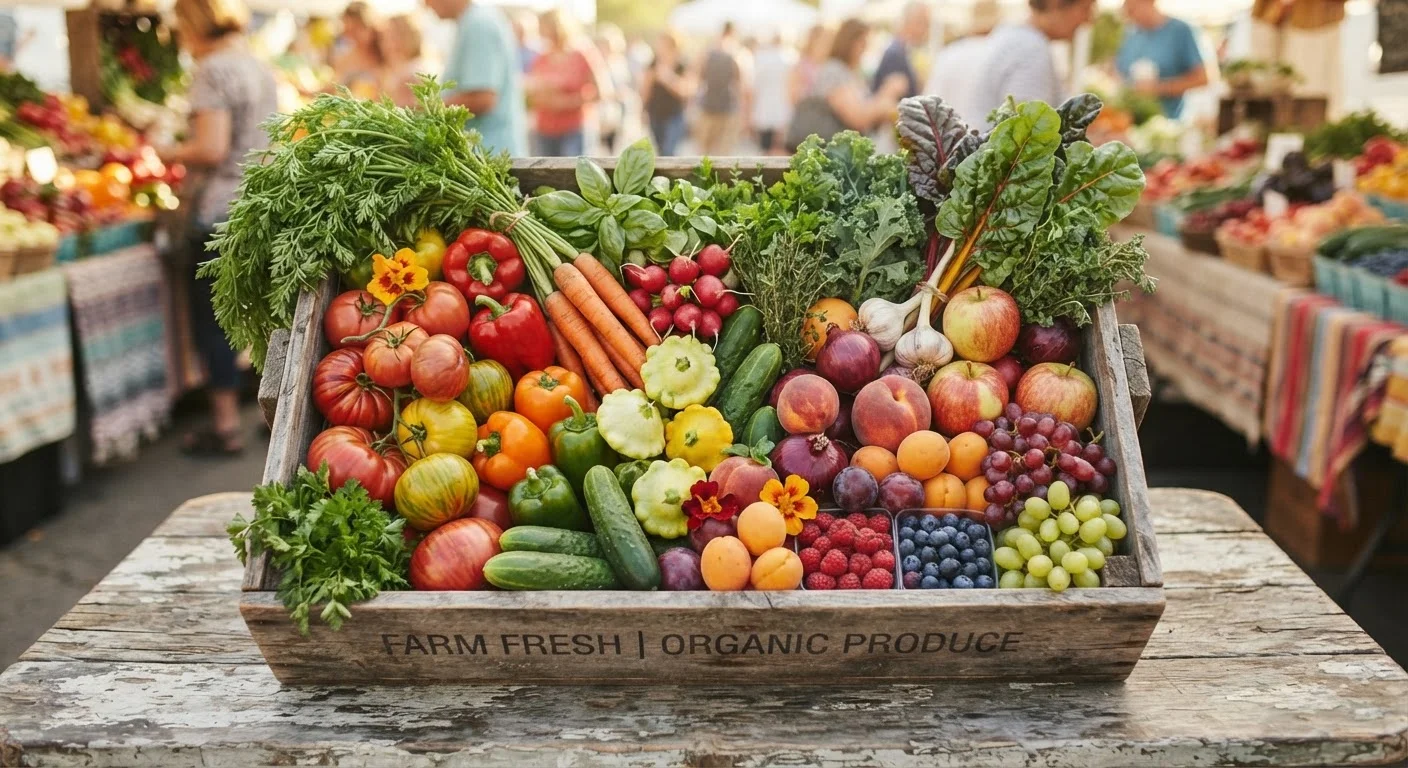
Photo: InsightsVault.com | Interesting Daily Reads editorial
Key Takeaways
- In-season produce is generally cheaper because supply is high and transportation costs are lower.
- A produce calendar matched to your region helps you plan meals around what's affordable right now.
- Buying in bulk during peak season and freezing excess can extend savings throughout the year.
- Farmers markets and discount grocery sections often reflect seasonal pricing more directly than standard supermarkets.
- Meal planning around seasonal produce reduces impulse buys and food waste simultaneously.
Why Produce Prices Fluctuate With the Seasons
Grocery prices feel unpredictable, but fresh produce follows a relatively consistent logic: when a crop is harvested in abundance, prices fall. When it must be imported, stored long-term, or grown in energy-intensive greenhouses, prices rise. Understanding this cycle is the foundation of seasonal eating as a budget strategy.
Strawberries in January and asparagus in October are expensive not because they're rare foods, but because producing them out of season requires significant resources. Conversely, the same strawberries in late spring or asparagus in early spring often cost a fraction of their off-season price. The difference can be substantial - in some cases, the same item costs two to three times more when purchased out of season.
This isn't just a farmers market phenomenon. Mainstream supermarkets adjust pricing based on wholesale supply too, though the effect is sometimes less dramatic. Paying attention to which items are stacked high and priced low is a simple real-time signal that something is in season.
2-3×
Price difference for out-of-season vs. in-season produce
Agricultural economists and extension programs consistently note that retail produce prices can double or triple when crops must be imported or grown off-cycle.
~90%
Nutrient retention in commercially frozen vegetables
Research published in nutrition journals indicates frozen vegetables processed at peak ripeness retain the large majority of their vitamin content, making them a strong budget alternative to fresh out-of-season produce.
$1,500+
Estimated annual food waste cost per U.S. household
According to USDA estimates, the average American household discards a substantial amount of food each year, much of it fresh produce purchased with no plan for use - a cost that seasonal meal planning can help reduce.
For a deeper look at how grocery spending adds up in less obvious ways, see common grocery habits that quietly drain budgets.
How to Use a Produce Calendar Practically
A produce calendar maps which fruits and vegetables are typically in peak season during each month in a given U.S. region. Because growing seasons vary significantly between the Pacific Coast, the South, and the Northeast, a calendar specific to your area is far more useful than a generic national guide. USDA resources and state cooperative extension programs publish free, region-specific versions that are worth bookmarking.
The practical application is straightforward: before writing your grocery list each week, check what's currently in season in your region. Build your meals around two or three of those items, then fill remaining nutritional needs with pantry staples like dried legumes, grains, and frozen vegetables. This approach naturally anchors your shopping list to lower-cost produce without requiring strict meal planning every week.
Match Your Shopping List to the Season
Combining seasonal shopping with a structured pre-shop routine amplifies savings further. The budget grocery audit checklist is a useful companion to this strategy.
Extending Seasonal Savings: Buying in Bulk and Freezing
Peak season is also the best time to buy more than you need immediately. Produce at the height of harvest is both cheapest and most nutritious, making it an ideal candidate for batch cooking or freezing. Many vegetables - including green beans, corn, broccoli, and leafy greens - freeze well after brief blanching. Stone fruits and berries can go directly into freezer bags for use in smoothies or cooking throughout the year.
This strategy effectively lets you lock in low seasonal prices and apply them to months when that produce would otherwise be expensive or unavailable. A large flat of tomatoes purchased at peak summer pricing, for example, can be roasted and frozen to replace costlier canned tomatoes in winter recipes.
If you're interested in growing some of your own seasonal produce to reduce costs further, the seasonal checklist for frugal gardeners offers a practical framework for keeping garden costs in check.
Seasonal Eating Within a Broader Nutrition Strategy
Seasonal produce shopping is most effective when it fits into a broader, consistent approach to affordable nutrition. Using a produce calendar to guide purchasing decisions works naturally alongside weekly meal planning, which further reduces food waste and impulse spending. Together, these habits address two of the most common causes of grocery budget overruns: buying items that don't get used and paying premium prices for convenience or out-of-season items.
Nutritionally, seasonal fruits and vegetables tend to be fresher at point of sale, and research generally supports that shorter time from harvest to table helps preserve nutrient content. However, frozen produce remains an excellent and affordable alternative when fresh seasonal options aren't accessible. The goal isn't perfection - it's building a repeatable habit of reaching for in-season and frozen options before defaulting to expensive out-of-season fresh items.
For a comprehensive look at how to meet your nutritional needs affordably across all food groups, the end-to-end guide to affordable nutrition covers planning, shopping, and storage in one place.
This article is for general informational purposes only and does not constitute medical, nutritional, or financial advice. Consult a qualified healthcare professional or registered dietitian for guidance specific to your health needs.
Frequently Asked Questions
The content provided on our blog site traverses numerous categories, offering readers valuable and practical information. Readers can use the editorial team’s research and data to gain more insights into their topics of interest. However, they are requested not to treat the articles as conclusive. The website team cannot be held responsible for differences in data or inaccuracies found across other platforms. Please also note that the site might also miss out on various schemes and offers available that the readers may find more beneficial than the ones we cover.